
Sail Away
by Great White
Released: May 10, 1994
Blues rock
Shop Great White
Amazon affiliate linksWhy This Album Matters
This album matters because its strongest editorial story is: Genre Shift.
The Album
**Band Lineup**: At the time of recording "Sail Away," the band lineup included Jack Russell on vocals, Mark Kendall on guitar, Michael Lardie on guitar and keyboards, Teddy Cook on bass, and Audie Desbrow on drums. This summary provides an overview of the "Sail Away" album and reflects on the band's journey during its creation, without sourcing directly from any one document. "Sail Away" is the seventh studio album by the American rock band Great White, released on March 22, 1994.
Inside the Recording
**Production**: The album was produced by Alan Niven and Michael Lardie, both of whom were closely associated with the band’s previous work.
Interesting Facts
This album marked a departure from the hard…
This album marked a departure from the hard rock and glam metal sound the band was known for, featuring a more acoustic, blues-oriented style.
This was a significant change for Great White…
This was a significant change for Great White, who were previously associated with the loud and aggressive sound of the 1980s hard rock scene.
Here’s a summary and some background about the…
Here’s a summary and some background about the album: 1.
**Musical Direction**: "Sail Away" is noted for its…
**Musical Direction**: "Sail Away" is noted for its stripped-down, acoustic-based approach.
The album showcases a more mature and refined…
The album showcases a more mature and refined sound, focusing on melody and lyrical depth.
Explore the Album
Great White - Sail Away
Open in Albums Gallery
Reception
**Reception**: "Sail Away" received mixed reviews upon release.
Legacy
**Legacy**: Over the years, "Sail Away" has grown to be appreciated by some listeners for its stylistic risks and the band’s willingness to explore new musical territories, contributing to the band's enduring legacy.
The Complete Album Story
"Sail Away" is the seventh studio album by the American rock band Great White, released on March 22, 1994. This album marked a departure from the hard rock and glam metal sound the band was known for, featuring a more acoustic, blues-oriented style.
Here’s a summary and some background about the album:
1. **Musical Direction**: "Sail Away" is noted for its stripped-down, acoustic-based approach. This was a significant change for Great White, who were previously associated with the loud and aggressive sound of the 1980s hard rock scene. The album showcases a more mature and refined sound, focusing on melody and lyrical depth.
2. **Track Highlights**: The album includes tracks like "Sail Away," which highlights the band's softer musical approach. Other notable songs include “Gone with the Wind” and “Loveless Age,” which blend blues influences with acoustic rock.
3. **Production**: The album was produced by Alan Niven and Michael Lardie, both of whom were closely associated with the band’s previous work. Their production played a key role in the album's distinctive sound.
4. **Reception**: "Sail Away" received mixed reviews upon release. While some fans appreciated the band's new direction and the focus on musicianship, others missed the catchy, anthemic rock tunes Great White was known for.
5. **Band Lineup**: At the time of recording "Sail Away," the band lineup included Jack Russell on vocals, Mark Kendall on guitar, Michael Lardie on guitar and keyboards, Teddy Cook on bass, and Audie Desbrow on drums.
6. **Legacy**: Over the years, "Sail Away" has grown to be appreciated by some listeners for its stylistic risks and the band’s willingness to explore new musical territories, contributing to the band's enduring legacy.
This summary provides an overview of the "Sail Away" album and reflects on the band's journey during its creation, without sourcing directly from any one document.
More Blues rock Albums
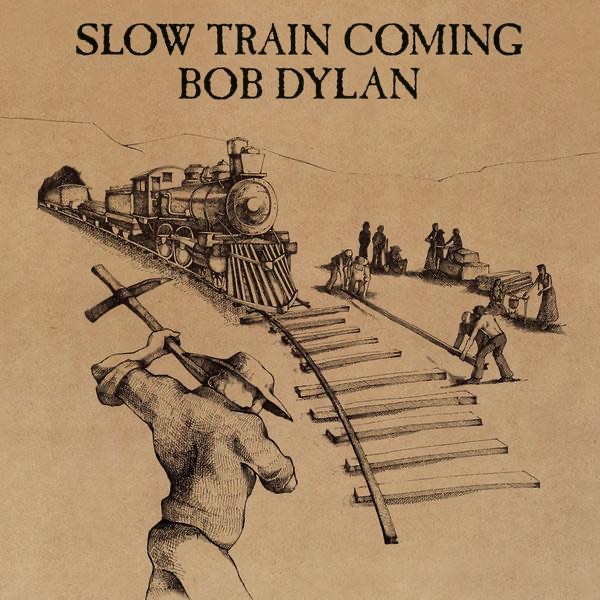 Bob Dylan - Slow Train Coming
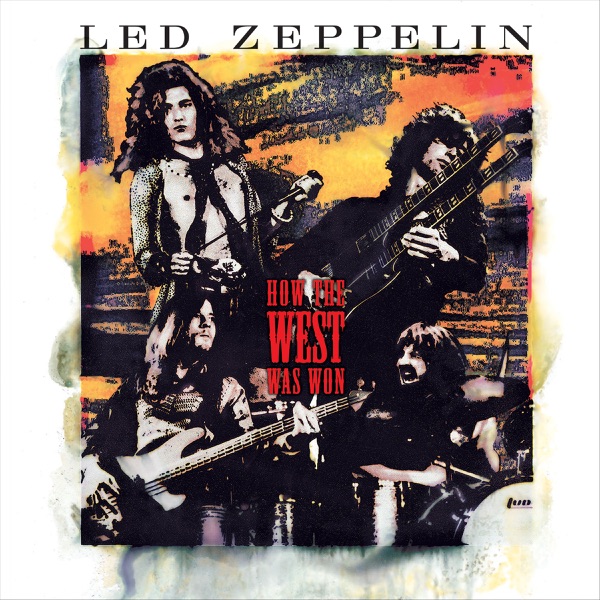 Led Zeppelin - How the West Was Won (Led Zeppelin album)
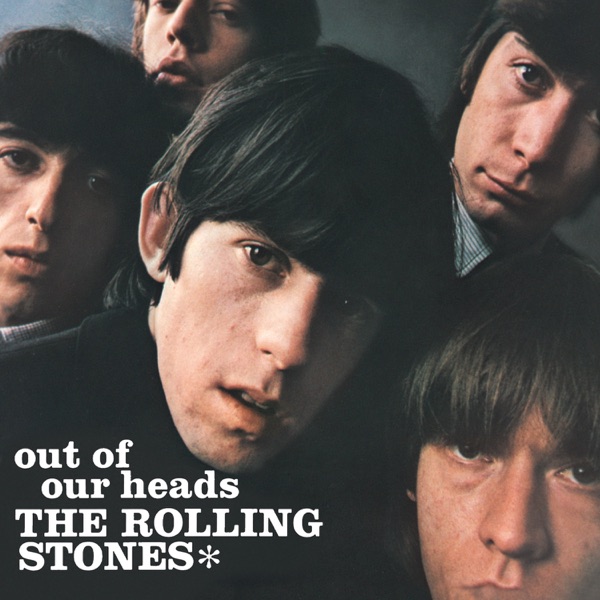 The Rolling Stones - Out of Our Heads
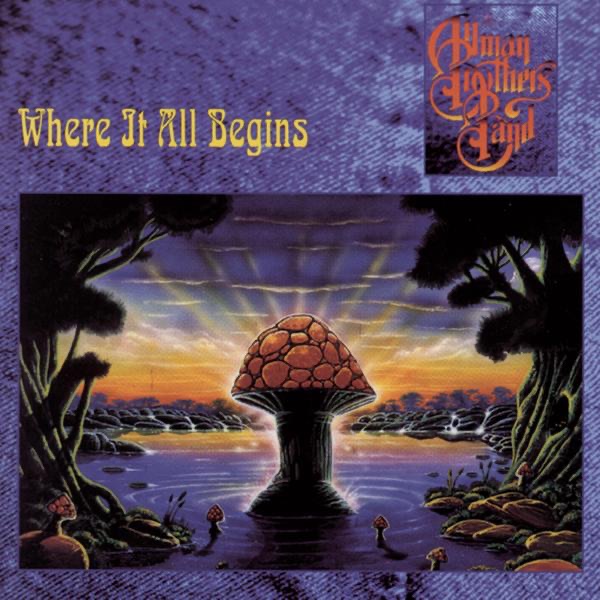 The Allman Brothers Band - Where It All Begins
 Led Zeppelin - Led Zeppelin Boxed Set
 Page and Plant - Walking into Clarksdale
 Steve Miller - The Joker
 Deep Purple - Infinite (Deep Purple album)
 The Dead Weather - Horehound (album)
 Neil Young and Crazy Horse - American Stars 'n Bars
 Thin Lizzy - The Adventures of Thin Lizzy

Join the Conversation
Share your thoughts about this album.
Please log in to add a comment.
No comments yet. Be the first to comment.