
Abraxas
by Santana
Released: September 23, 1970
Latin rock, Chicano rock, jazz fusion, psychedelic rock, blues rock
Shop Santana
Amazon affiliate linksWhy This Album Matters
This album matters because its strongest editorial story is: Breakthrough.
The Album
"Abraxas" is the second studio album by the Latin rock band Santana, released on September 23, 1970, by Columbia Records. Featuring a fusion of rock, jazz, and Latin influences, Abraxas includes iconic tracks such as "Black Magic Woman" and "Oye Como Va," which have become staples in Santana's repertoire. Its success solidified Santana's place in the rock music landscape and remains a classic in the genre.
Interesting Facts
The title Abraxas is derived from a line…
The title Abraxas is derived from a line in Hermann Hesse's 1919 novel Demian, which is quoted on the back cover of the album.
The quote reads: "We stood before it and…
The quote reads: "We stood before it and began to freeze inside from the exertion.
We questioned the painting, berated it, made love…
We questioned the painting, berated it, made love to it, prayed to it: We called it mother, called it whore and slut, called it our beloved, called it Abraxas..." This reference reflects the album's themes of duality and the exploration of contrasting forces, mirroring the blend of rock, jazz, and Latin influences found throughout the music.
The mystical connotation of "Abraxas" adds depth to…
The mystical connotation of "Abraxas" adds depth to the album's artistic vision, enhancing its significance within Santana's discography.
Carlos Santana was inspired by Fleetwood Mac's leader…
Carlos Santana was inspired by Fleetwood Mac's leader and songwriter Peter Green after seeing him perform at the Fillmore West in San Francisco, which led him to cover the band's song "Black Magic Woman." The album also features a cover of Gábor Szabó's instrumental "Gypsy Queen," which was added as a finale to the track.
Essential Tracks
Black Magic Woman
Featuring a fusion of rock, jazz, and Latin influences, Abraxas includes iconic tracks such as "Black Magic Woman" and "Oye Como Va," which have become staples in Santana's repertoire.
Oye Como Va
Featuring a fusion of rock, jazz, and Latin influences, Abraxas includes iconic tracks such as "Black Magic Woman" and "Oye Como Va," which have become staples in Santana's repertoire.
Incident at Neshabur
"Incident at Neshabur" was co-written by Santana and pianist Alberto Gianquinto, showcasing a mix of time and key signatures, with contrasting keyboard styles from Gianquinto and Gregg Rolie.
Samba Pa Ti
The instrumental "Samba Pa Ti" ("Samba for You") was inspired by a jazz saxophonist performing outside Santana's apartment.
Explore the Album
Santana - Abraxas
Open in Albums Gallery
Reception
The album marked a significant milestone for the band, as it became their first to reach number one on the U.S. charts. The album received critical acclaim for its innovative sound and musicianship, showcasing Carlos Santana's signature guitar work and the band's ability to blend diverse musical styles.
The Complete Album Story
"Abraxas" is the second studio album by the Latin rock band Santana, released on September 23, 1970, by Columbia Records. The album marked a significant milestone for the band, as it became their first to reach number one on the U.S. charts.
Featuring a fusion of rock, jazz, and Latin influences, Abraxas includes iconic tracks such as "Black Magic Woman" and "Oye Como Va," which have become staples in Santana's repertoire. The album received critical acclaim for its innovative sound and musicianship, showcasing Carlos Santana's signature guitar work and the band's ability to blend diverse musical styles. Its success solidified Santana's place in the rock music landscape and remains a classic in the genre.
The title Abraxas is derived from a line in Hermann Hesse's 1919 novel Demian, which is quoted on the back cover of the album. The quote reads: "We stood before it and began to freeze inside from the exertion. We questioned the painting, berated it, made love to it, prayed to it: We called it mother, called it whore and slut, called it our beloved, called it Abraxas..."
This reference reflects the album's themes of duality and the exploration of contrasting forces, mirroring the blend of rock, jazz, and Latin influences found throughout the music. The mystical connotation of "Abraxas" adds depth to the album's artistic vision, enhancing its significance within Santana's discography.
Carlos Santana was inspired by Fleetwood Mac's leader and songwriter Peter Green after seeing him perform at the Fillmore West in San Francisco, which led him to cover the band's song "Black Magic Woman." The album also features a cover of Gábor Szabó's instrumental "Gypsy Queen," which was added as a finale to the track.
"Oye Como Va," originally a hit by Tito Puente in the early 1960s, became a staple in Santana's live performances, as it was great for getting audiences to dance.
"Incident at Neshabur" was co-written by Santana and pianist Alberto Gianquinto, showcasing a mix of time and key signatures, with contrasting keyboard styles from Gianquinto and Gregg Rolie.
The instrumental "Samba Pa Ti" ("Samba for You") was inspired by a jazz saxophonist performing outside Santana's apartment. This track was later covered by artists like José Feliciano and Angélique Kidjo.
Notably, the first three songs on side one of the album seamlessly segue into one another, creating a cohesive 14-minute, 28-second mini-suite that enhances the album's artistic flow.
More Latin rock Albums
 Santana - Africa Speaks (album)
 Santana - Supernatural (Santana album)
 Santana - Amigos
 Santana - Santana (1969 album)
 Santana - Lotus (Santana album)
 Santana - Freedom
 Santana - Santana (1971 album)
Santana - Corazón (Santana album)
Santana - Santana (1971 album)
Santana - Corazón (Santana album)
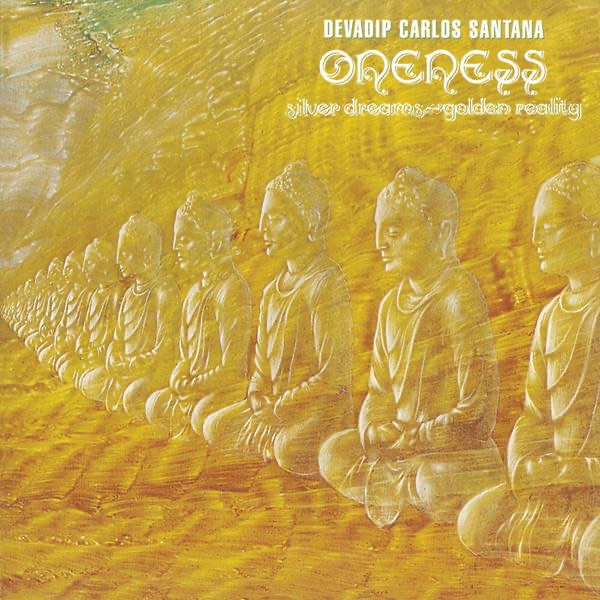 Santana - Oneness
 Santana - Milagro (Santana album)
 Can - Out of Reach
 Santana - Festival

Join the Conversation
Share your thoughts about this album.
Please log in to add a comment.
No comments yet. Be the first to comment.