
Oneness
by Santana
Released: March 12, 1979
Jazz fusion, psychedelic rock, Latin jazz, Latin rock, R&B
Shop Santana
Amazon affiliate linksWhy This Album Matters
This album matters because its strongest editorial story is: Experimental Album.
The Album
It marked a departure from Santana's previous sound, incorporating elements of jazz fusion, funk, and R&B alongside his trademark Latin rock style. The album features a diverse mix of musical styles and collaborations with various artists, including Leon Thomas, Flora Purim, and Herbie Hancock. It remains a favorite among fans of Santana's later work and a testament to his enduring influence on the world of music.
Interesting Facts
Lyrically, "Oneness" explores themes of unity, spirituality, and…
Lyrically, "Oneness" explores themes of unity, spirituality, and self-discovery, reflecting Santana's own spiritual journey and interest in metaphysical concepts.
The album's title reflects Santana's belief in the…
The album's title reflects Santana's belief in the interconnectedness of all things and the power of music to transcend boundaries and unite people.
It spawned several singles, including "I Love You…
It spawned several singles, including "I Love You Much Too Much" and "New York City," which received airplay on radio stations around the world.
Essential Tracks
The Chosen Hour
Songs like "The Chosen Hour," "Arise Awake," and "Golden Dawn" showcase Santana's virtuosic guitar playing, intricate arrangements, and spiritual themes.
Arise Awake
Songs like "The Chosen Hour," "Arise Awake," and "Golden Dawn" showcase Santana's virtuosic guitar playing, intricate arrangements, and spiritual themes.
Oneness
"Oneness: Silver Dreams – Golden Reality" is the third studio album by Carlos Santana, released in 1979.
Golden Dawn
Songs like "The Chosen Hour," "Arise Awake," and "Golden Dawn" showcase Santana's virtuosic guitar playing, intricate arrangements, and spiritual themes.
Explore the Album
Santana - Oneness
Open in Albums Gallery
Reception
"Oneness: Silver Dreams – Golden Reality" is the third studio album by Carlos Santana, released in 1979. Overall, "Oneness: Silver Dreams – Golden Reality" is regarded as one of Santana's more experimental and eclectic albums, showcasing his versatility as a musician and his willingness to push the boundaries of his musical style. Songs like "The Chosen Hour," "Arise Awake," and "Golden Dawn" showcase Santana's virtuosic guitar playing, intricate arrangements, and spiritual themes.
Legacy
Overall, "Oneness: Silver Dreams – Golden Reality" is regarded as one of Santana's more experimental and eclectic albums, showcasing his versatility as a musician and his willingness to push the boundaries of his musical style.
The Complete Album Story
"Oneness: Silver Dreams – Golden Reality" is the third studio album by Carlos Santana, released in 1979. It marked a departure from Santana's previous sound, incorporating elements of jazz fusion, funk, and R&B alongside his trademark Latin rock style.
The album features a diverse mix of musical styles and collaborations with various artists, including Leon Thomas, Flora Purim, and Herbie Hancock. Songs like "The Chosen Hour," "Arise Awake," and "Golden Dawn" showcase Santana's virtuosic guitar playing, intricate arrangements, and spiritual themes.
Lyrically, "Oneness" explores themes of unity, spirituality, and self-discovery, reflecting Santana's own spiritual journey and interest in metaphysical concepts. The album's title reflects Santana's belief in the interconnectedness of all things and the power of music to transcend boundaries and unite people.
Despite receiving mixed reviews from critics upon its release, "Oneness" was a commercial success, reaching the top 20 on the Billboard 200 chart. It spawned several singles, including "I Love You Much Too Much" and "New York City," which received airplay on radio stations around the world.
Overall, "Oneness: Silver Dreams – Golden Reality" is regarded as one of Santana's more experimental and eclectic albums, showcasing his versatility as a musician and his willingness to push the boundaries of his musical style. It remains a favorite among fans of Santana's later work and a testament to his enduring influence on the world of music.
More Jazz fusion Albums
 Gary Numan - Dance
 National Health - National Health (album)
 Joni Mitchell - Mingus
 Soft Machine - Fifth (Soft Machine album)
 Captain Beyond - Sufficiently Breathless
 Jaco Pastorius - Heavy Weather (album)
 Jaco Pastorius - Jaco Pastorius (album)
 Weather Report - I Sing the Body Electric (album)
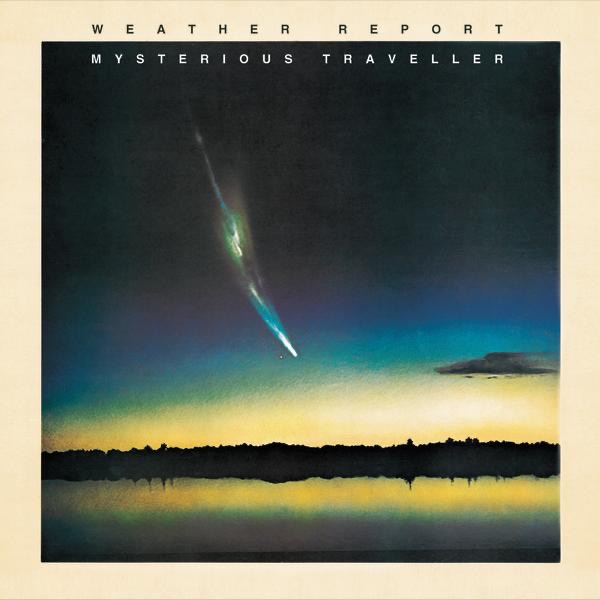 Weather Report - Mysterious Traveller
 Chicago - Chicago III

Join the Conversation
Share your thoughts about this album.
Please log in to add a comment.
No comments yet. Be the first to comment.