
Aura
by Miles Davis
Released: September 12, 1989
Jazz fusion, third stream
Shop Miles Davis
Amazon affiliate linksWhy This Album Matters
This album matters because its strongest editorial story is: Award.
The Album
This album marked the first time in over 20 years that Davis had recorded with a big band. The album consists entirely of compositions and arrangements by Mikkelborg, created as a tribute to Davis upon receiving the Léonie Sonning Music Prize in December 1984, the same year Decoy was released. Aura is notable for being Miles Davis's final album released during his lifetime.
Inside the Recording
"Aura" is a concept album by Miles Davis, produced by Danish composer and trumpeter Palle Mikkelborg, and released in 1989. Despite being recorded in 1985, the album faced delays due to contractual issues, which postponed its release until 1989. The recording sessions took place in Copenhagen in 1985, initiated by Davis himself, who was very honored and pleased with the suite.
Interesting Facts
The main theme of Aura consists of 10…
The main theme of Aura consists of 10 notes derived from the letters "M-I-L-E-S-D-A-V-I-S," akin to the BACH motif and Schoenberg's hexachord "EsCHBEG." This theme is introduced at the beginning of the album, over a sustained chord of these same notes.
The subsequent nine movements of the suite represent…
The subsequent nine movements of the suite represent the colors that Palle Mikkelborg associates with Davis's aura.
The album is scored for an extended jazz…
The album is scored for an extended jazz big band, with the core group being the Danish Radio Big Band.
Key members include Niels-Henning Ørsted Pedersen, Thomas Clausen…
Key members include Niels-Henning Ørsted Pedersen, Thomas Clausen, and Marilyn Mazur.
Guests on the album include John McLaughlin and…
Guests on the album include John McLaughlin and Vince Wilburn, Davis's nephew.
Explore the Album
Miles Davis - Aura
Open in Albums Gallery
Reception
Aura won a Grammy Award in 1990 for Best Jazz Instrumental Performance.
The Complete Album Story
"Aura" is a concept album by Miles Davis, produced by Danish composer and trumpeter Palle Mikkelborg, and released in 1989. The album consists entirely of compositions and arrangements by Mikkelborg, created as a tribute to Davis upon receiving the Léonie Sonning Music Prize in December 1984, the same year Decoy was released. Aura is notable for being Miles Davis's final album released during his lifetime.
The main theme of Aura consists of 10 notes derived from the letters "M-I-L-E-S-D-A-V-I-S," akin to the BACH motif and Schoenberg's hexachord "EsCHBEG." This theme is introduced at the beginning of the album, over a sustained chord of these same notes. The subsequent nine movements of the suite represent the colors that Palle Mikkelborg associates with Davis's aura.
The album is scored for an extended jazz big band, with the core group being the Danish Radio Big Band. Key members include Niels-Henning Ørsted Pedersen, Thomas Clausen, and Marilyn Mazur. Guests on the album include John McLaughlin and Vince Wilburn, Davis's nephew. The recording sessions took place in Copenhagen in 1985, initiated by Davis himself, who was very honored and pleased with the suite. This album marked the first time in over 20 years that Davis had recorded with a big band.
Aura is not a conventional big band jazz album but is more accurately categorized as fusion jazz with a strong influence of modern classical music. Many orchestral passages reflect Mikkelborg’s inspiration from composers such as Olivier Messiaen and Charles Ives.
Despite being recorded in 1985, the album faced delays due to contractual issues, which postponed its release until 1989. Davis had claimed in September 1985 that Columbia Records would not release the album, which led him to switch labels to Warner Bros. Columbia, on the other hand, cited issues related to Mikkelborg’s contracts as the reason for the delay. Aura won a Grammy Award in 1990 for Best Jazz Instrumental Performance.
More Jazz fusion Albums
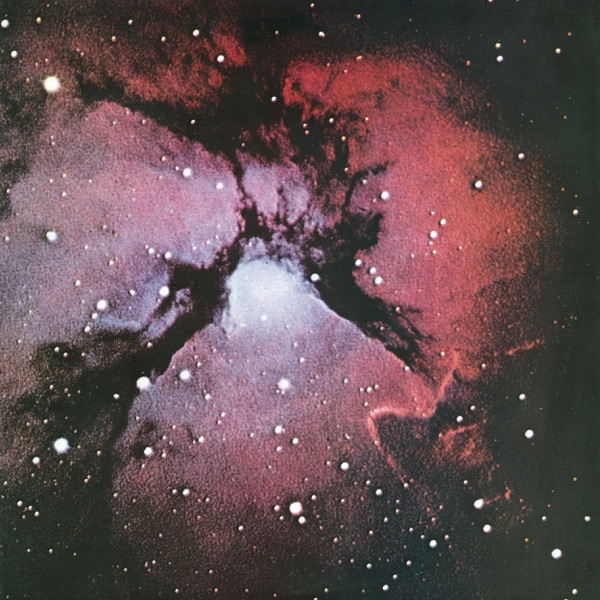 King Crimson - Islands
 Brand X - Do They Hurt?
 War - Platinum Jazz
 Pat Metheny - From This Place
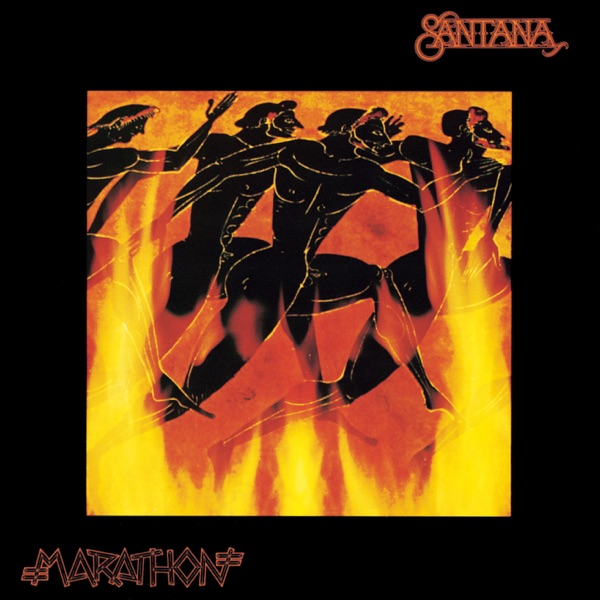 Santana - Marathon
 Emerson, Lake & Palmer - Works Volume 2
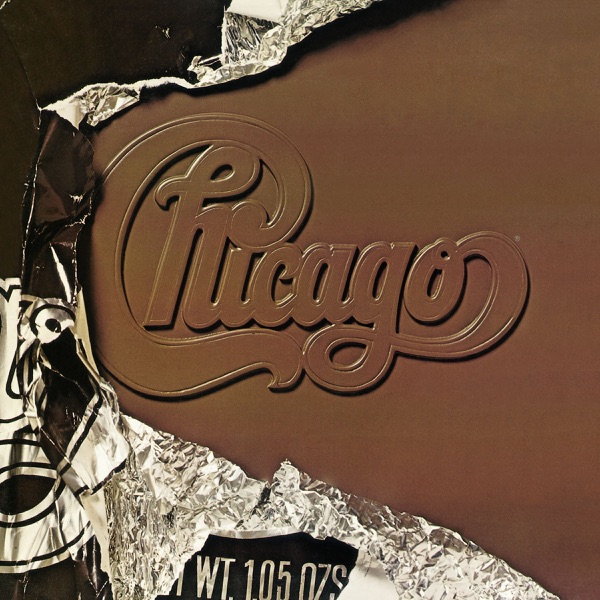 Chicago - Chicago X
 Frank Zappa - One Size Fits All (Frank Zappa album)
 King Crimson - Earthbound
 Weather Report - Weather Report (1982 album)
 Earth, Wind & Fire - Last Days and Time

Join the Conversation
Share your thoughts about this album.
Please log in to add a comment.
No comments yet. Be the first to comment.