
Fireball
by Deep Purple
Released: July 11, 1971
Hard rock, heavy metal
Shop Deep Purple
Amazon affiliate linksWhy This Album Matters
This album matters because its strongest editorial story is: Experimental Album.
The Album
Notably, Fireball marked a significant step forward in the band's combination of rock and classical elements, particularly evident in the rock opera-style song "Fools." Key tracks from the album include the title track "Fireball," "Strange Kind of Woman," "Demon's Eye," and "The Mule." However, the stand-out track is arguably "Anyone's Daughter," a country ballad that marked quite a departure from the heavier rock sound the band was best known for. The album showcases a blend of hard-rocking tracks and more experimental songs, with a significant influence from progressive rock in Lord's organ-dominated tracks. Overall, the album demonstrated Deep Purple's versatility as a band and solidified their status as one of the key players in the burgeoning hard rock scene of the 1970s.
Inside the Recording
It was recorded at various times between September 1970 and June 1971 at De Lane Lea Studios and Olympic Studios in London.
Interesting Facts
"Fireball" is the fifth album by English rock…
"Fireball" is the fifth album by English rock band Deep Purple, released in 1971.
This album was the second to feature the…
This album was the second to feature the classic Deep Purple line up of Ian Gillan, Roger Glover, Ritchie Blackmore, Jon Lord, and Ian Paice.
Fireball was the first Deep Purple album to…
Fireball was the first Deep Purple album to feature a title track, a trend that was then followed in the band's subsequent albums.
Explore the Album
Deep Purple - Fireball
Open in Albums Gallery
Reception
Fireball was a commercial success, reaching No. 1 in the UK Albums Chart and No. 32 in the US Billboard chart, while the title track "Fireball" hit No. 15 on the UK Singles Chart. The album was certified Gold in the UK and US, indicating sales of over a million units. In terms of its influence, Fireball represented a critical turning point in the band's musical style, setting the groundwork for their next album, "Machine Head," one of the most influential rock albums of all time.
Legacy
In terms of its influence, Fireball represented a critical turning point in the band's musical style, setting the groundwork for their next album, "Machine Head," one of the most influential rock albums of all time.
The Complete Album Story
"Fireball" is the fifth album by English rock band Deep Purple, released in 1971. It was recorded at various times between September 1970 and June 1971 at De Lane Lea Studios and Olympic Studios in London. This album was the second to feature the classic Deep Purple line up of Ian Gillan, Roger Glover, Ritchie Blackmore, Jon Lord, and Ian Paice.
The album showcases a blend of hard-rocking tracks and more experimental songs, with a significant influence from progressive rock in Lord's organ-dominated tracks. Fireball was the first Deep Purple album to feature a title track, a trend that was then followed in the band's subsequent albums.
Fireball was a commercial success, reaching No. 1 in the UK Albums Chart and No. 32 in the US Billboard chart, while the title track "Fireball" hit No. 15 on the UK Singles Chart. The album was certified Gold in the UK and US, indicating sales of over a million units. Notably, Fireball marked a significant step forward in the band's combination of rock and classical elements, particularly evident in the rock opera-style song "Fools."
Key tracks from the album include the title track "Fireball," "Strange Kind of Woman," "Demon's Eye," and "The Mule." However, the stand-out track is arguably "Anyone's Daughter," a country ballad that marked quite a departure from the heavier rock sound the band was best known for.
In terms of its influence, Fireball represented a critical turning point in the band's musical style, setting the groundwork for their next album, "Machine Head," one of the most influential rock albums of all time. Overall, the album demonstrated Deep Purple's versatility as a band and solidified their status as one of the key players in the burgeoning hard rock scene of the 1970s.
More Hard rock Albums
 Gamma - Gamma 2
 Toto - Toto XIV
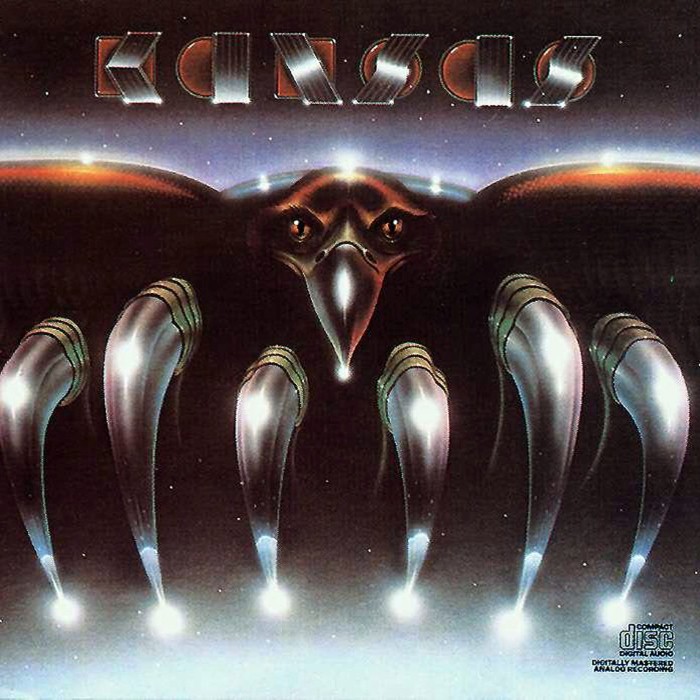 Kansas - Song for America
 3 Doors Down - Time of My Life
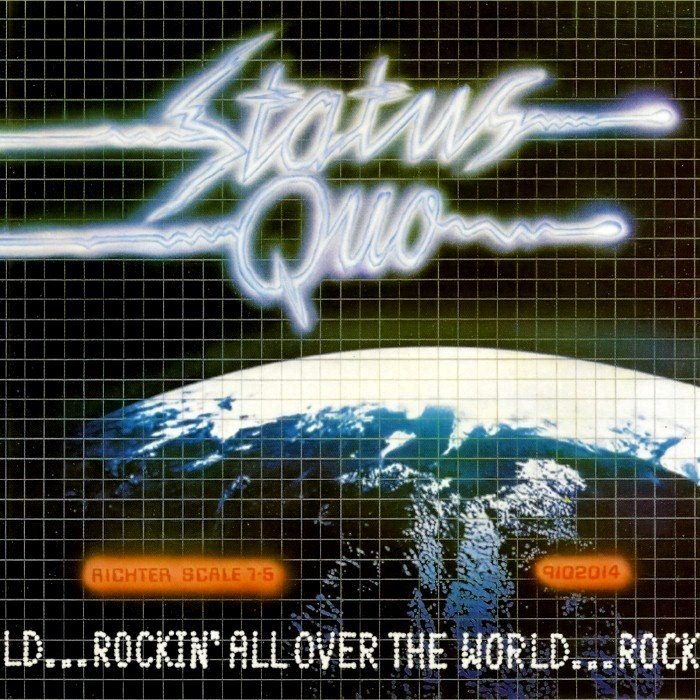 Status Quo - Rockin' All Over the World
 The Cult - Love
 Hawkwind - Doremi Fasol Latido
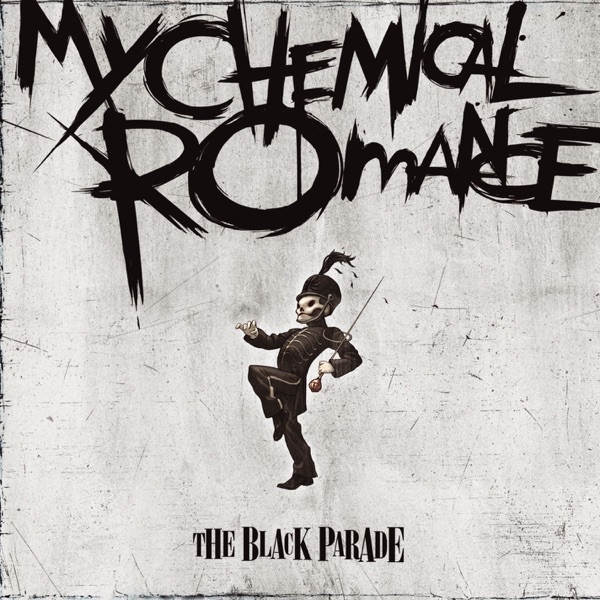 My Chemical Romance - The Black Parade
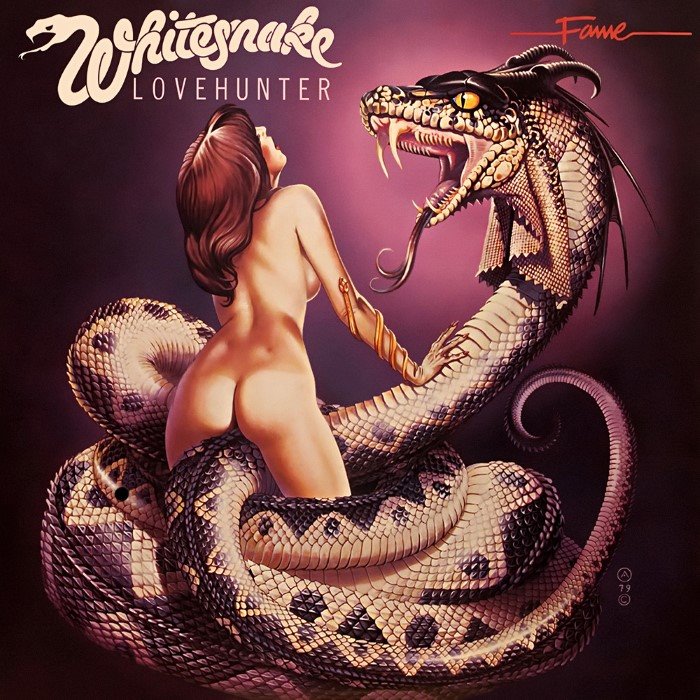 Whitesnake - Lovehunter

Join the Conversation
Share your thoughts about this album.
Please log in to add a comment.
No comments yet. Be the first to comment.