
Spleen and Ideal
by Dead Can Dance
Released: November 25, 1985
Neoclassical, world, gothic rock, post-punk, dark wave
Shop Dead Can Dance
Amazon affiliate linksWhy This Album Matters
This album matters because its strongest editorial story is: Debut Album.
The Album
"Spleen and Ideal" is the second studio album by Australian band Dead Can Dance, released on November 25, 1985, by 4AD. The album marked a significant shift in the band's musical direction, transitioning from their post-punk and gothic rock roots to a neoclassical dark wave style. This shift brought in influences from medieval and classical music, contributing to an overall "monastic" feel, while still retaining some of the post-punk and gothic elements of their earlier work.
Inside the Recording
The album was produced by band members Lisa Gerrard and Brendan Perry, alongside producer John A. Rivers.
Interesting Facts
The album cover features an image of the…
The album cover features an image of the partial demolition of Grain Elevator No. 2 at Salford Quays, part of the Manchester and Salford Docks.
Unlike their debut album, Spleen and Ideal saw…
Unlike their debut album, Spleen and Ideal saw the band abandon guitars in favor of a broader range of instrumentation, including cello, trombone, timpani, drum machines, and samplers.
AllMusic noted that with Spleen and Ideal, Dead…
AllMusic noted that with Spleen and Ideal, Dead Can Dance embraced a diverse mix of musical traditions, moving beyond their earlier goth influences into a more imaginative and expansive sound that would define their career.
The title of the album was inspired by…
The title of the album was inspired by 19th-century symbolist ideals and taken directly from Spleen et Idéal, a section of poems by French poet Charles Baudelaire from his collection Les Fleurs du mal.
Explore the Album
Dead Can Dance - Spleen and Ideal
Open in Albums Gallery
The Complete Album Story
"Spleen and Ideal" is the second studio album by Australian band Dead Can Dance, released on November 25, 1985, by 4AD. The album marked a significant shift in the band's musical direction, transitioning from their post-punk and gothic rock roots to a neoclassical dark wave style.
The album was produced by band members Lisa Gerrard and Brendan Perry, alongside producer John A. Rivers. Unlike their debut album, Spleen and Ideal saw the band abandon guitars in favor of a broader range of instrumentation, including cello, trombone, timpani, drum machines, and samplers. This shift brought in influences from medieval and classical music, contributing to an overall "monastic" feel, while still retaining some of the post-punk and gothic elements of their earlier work. AllMusic noted that with Spleen and Ideal, Dead Can Dance embraced a diverse mix of musical traditions, moving beyond their earlier goth influences into a more imaginative and expansive sound that would define their career.
The title of the album was inspired by 19th-century symbolist ideals and taken directly from Spleen et Idéal, a section of poems by French poet Charles Baudelaire from his collection Les Fleurs du mal. The album cover features an image of the partial demolition of Grain Elevator No. 2 at Salford Quays, part of the Manchester and Salford Docks.
More Neoclassical Albums
 Dead Can Dance - Within the Realm of a Dying Sun
 Laibach - Spectre
 Dead Can Dance - Into the Labyrinth
 Dead Can Dance - Spiritchaser
 Dead Can Dance - Aion (Dead Can Dance album)
 Laibach - Opus Dei
 Dead Can Dance - Anastasis
 Nico - Desertshore
 Dead Can Dance - Wake (Dead Can Dance album)
 Dead Can Dance - Dionysus
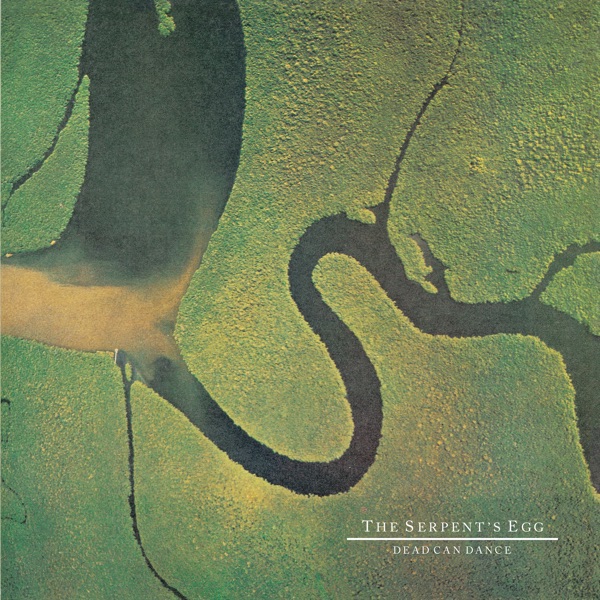 Dead Can Dance - The Serpent's Egg
 Triumph - Triumph and Agony

Join the Conversation
Share your thoughts about this album.
Please log in to add a comment.
No comments yet. Be the first to comment.