
Desertshore
by Nico
Released: December 20, 1970
Avant-garde, neoclassical
Shop Nico
Amazon affiliate linksWhy This Album Matters
This album matters because its strongest editorial story is: Experimental Album.
The Album
"Desertshore" is the third studio album by German musician Nico, released in December 1970. The album marks a radical departure from her first two albums, which were heavily influenced by her then musical partner Lou Reed. A significant shift from her previous work with The Velvet Underground, the album's ethereal sound and dark lyrical content, combined with Nico's deep, resonant voice, challenged listener's expectations and received mixed reactions upon its initial release.
Inside the Recording
"Desertshore" was recorded in a makeshift home studio and, due to her limited funds, was initially available only in France upon its release.
Interesting Facts
Nevertheless, the album's stark beauty, combined with Nico's…
Nevertheless, the album's stark beauty, combined with Nico's uncompromising vision, has made this album a seminal work in her discography, as well as a cornerstone of 20th century experimental music.
Unlike those albums, "Desertshore" is predominantly just Nico…
Unlike those albums, "Desertshore" is predominantly just Nico and her harmonium, with sparse orchestration accompanying her haunting vocals.
The album features lyrics written by Nico and…
The album features lyrics written by Nico and music jointly composed by Nico and underground filmmaker Philippe Garrel.
Nico's ground-breaking use of the harmonium continues to…
Nico's ground-breaking use of the harmonium continues to inspire artists, and the album's mix of European folk and avant-garde music forms a unique and powerful expression of Nico's artistic vision.
Explore the Album
Nico - Desertshore
Open in Albums Gallery
Reception
Despite its lack of commercial success, "Desertshore" had a significant impact on subsequent generations of musicians, and its influence can still be heard in the work of many contemporary artists.
Legacy
Despite its lack of commercial success, "Desertshore" had a significant impact on subsequent generations of musicians, and its influence can still be heard in the work of many contemporary artists. However, it has since gained a cult following and is now considered a significant work in the avant-garde music genre.
The Complete Album Story
"Desertshore" is the third studio album by German musician Nico, released in December 1970. The album marks a radical departure from her first two albums, which were heavily influenced by her then musical partner Lou Reed. Unlike those albums, "Desertshore" is predominantly just Nico and her harmonium, with sparse orchestration accompanying her haunting vocals.
The album features lyrics written by Nico and music jointly composed by Nico and underground filmmaker Philippe Garrel. A significant shift from her previous work with The Velvet Underground, the album's ethereal sound and dark lyrical content, combined with Nico's deep, resonant voice, challenged listener's expectations and received mixed reactions upon its initial release. However, it has since gained a cult following and is now considered a significant work in the avant-garde music genre.
"Desertshore" was recorded in a makeshift home studio and, due to her limited funds, was initially available only in France upon its release. Nevertheless, the album's stark beauty, combined with Nico's uncompromising vision, has made this album a seminal work in her discography, as well as a cornerstone of 20th century experimental music.
Despite its lack of commercial success, "Desertshore" had a significant impact on subsequent generations of musicians, and its influence can still be heard in the work of many contemporary artists. Nico's ground-breaking use of the harmonium continues to inspire artists, and the album's mix of European folk and avant-garde music forms a unique and powerful expression of Nico's artistic vision.
More Avant-garde Albums
 Laurie Anderson - The Ugly One with the Jewels
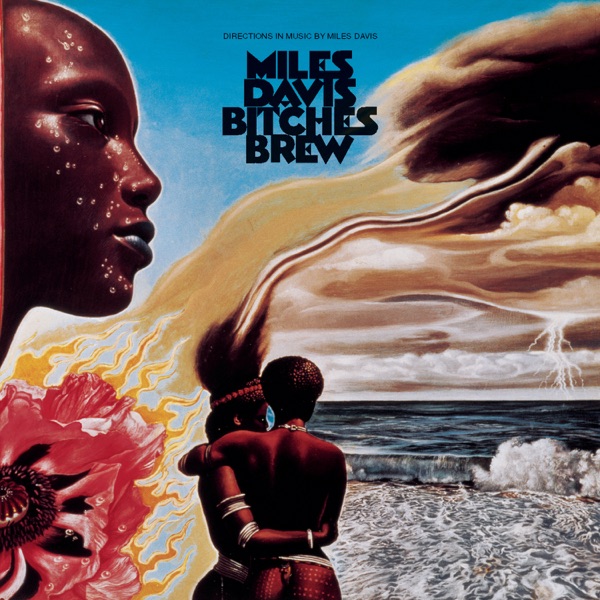 Miles Davis - Bitches Brew
 Cardiacs - The Sea Nymphs (album)
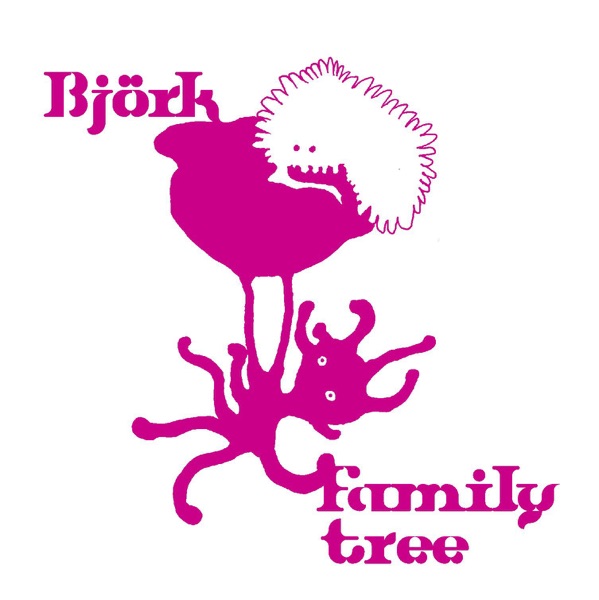 Björk - Family Tree
 Black Flag - Family Man
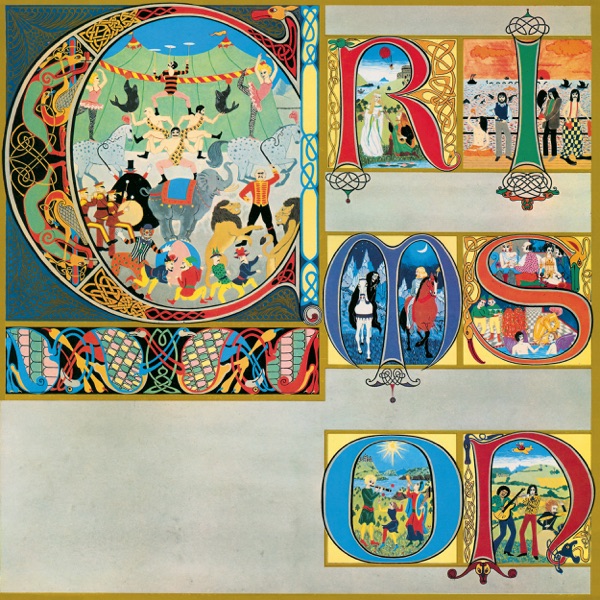 King Crimson - Lizard
 Björk - Vulnicura
 Flea - Helen Burns
 The Residents - Eskimo
 The Shaggs - Philosophy of the World
 Tom Waits - Bone Machine
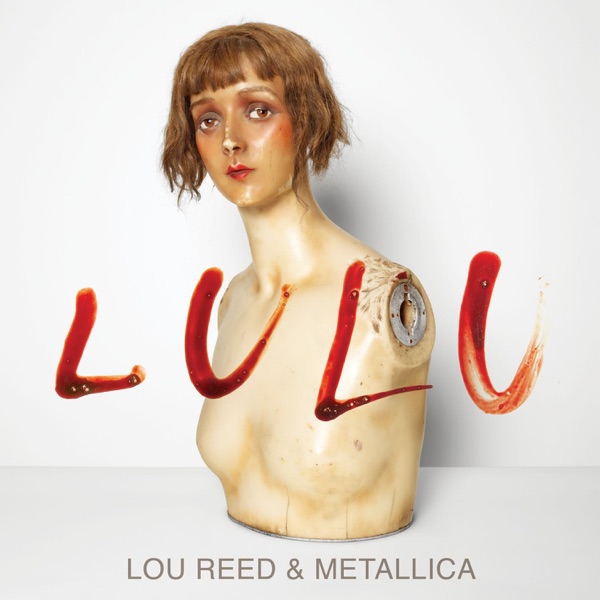 Metallica - Lulu

Join the Conversation
Share your thoughts about this album.
Please log in to add a comment.
No comments yet. Be the first to comment.