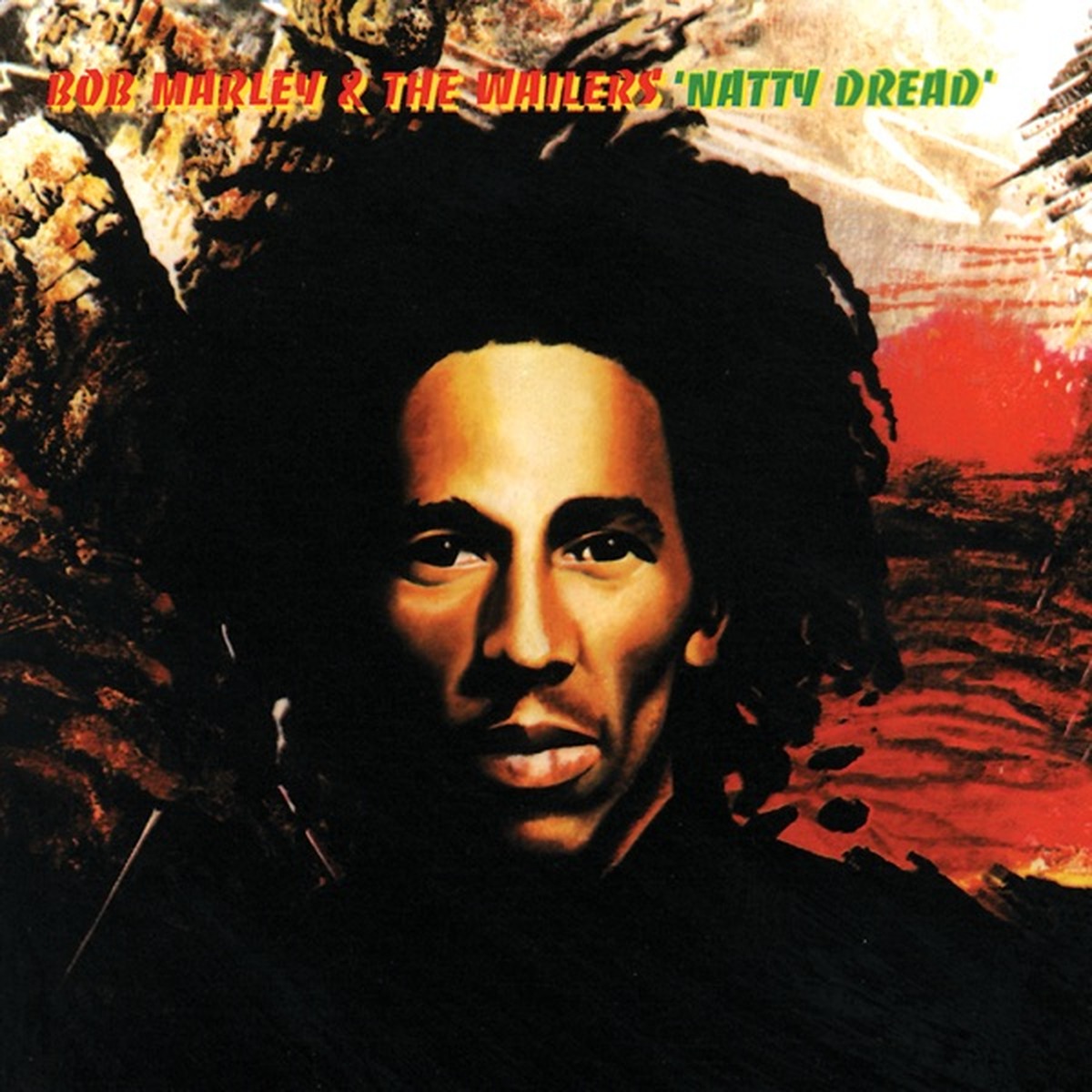
ON THIS DAY IN 1974 - “REBEL MUSIC” TOOK SHAPE DURING A FOUR-HOUR NIGHT DRIVE THROUGH POLICE ROADBLOCKS
ON THIS DAY IN 1974 — “REBEL MUSIC” TOOK SHAPE DURING A FOUR-HOUR NIGHT DRIVE THROUGH POLICE ROADBLOCKS 🚧
Before it became one of the defining protest songs on Natty Dread, “Rebel Music (3 O’Clock Roadblock)” began inside a car moving through Jamaica late at night. 🌙
Lee Jaffe recalled sitting in the back with Bob Marley while Marley’s cousin Hugh Peart, known as Sledger, drove. Jaffe had his harmonica and was playing as they traveled. Marley began singing, gradually developing the song that would capture the tension surrounding them. 🎶
Over the course of the four- or five-hour journey, the travelers encountered numerous police roadblocks. Rastafarians were being targeted, Jaffe said, and the possibility of arrest was real. Against that immediate backdrop, Marley formed the basic lyrics and melody of “Rebel Music.”
The song was not simply completed on the spot. Marley continued refining it for months before it was recorded in early 1974 at Harry J’s Studio in Kingston. Jaffe returned with his harmonica, bringing into the studio the same instrument he had played during the drive. 🎼
Initially recorded as “Road Block,” the track became “Rebel Music (3 O’Clock Roadblock)” for its appearance on Natty Dread, released on October 25, 1974. The album placed the song’s account of roadblocks, oppression and resistance inside one of Marley’s most socially conscious collections. ✊🏾
Years later, when competing accounts of the song’s creation reached the High Court, the judge accepted Jaffe’s detailed recollection and found that Bob Marley was its composer and author.
Some songs observe history from a distance. “Rebel Music” was shaped while traveling straight through it. 🚗
#musicOnOff #BobMarley #TheWailers #NattyDread #RebelMusic #ReggaeHistory #OnThisDay
🛍 Shop Music
 Vinyl
Nirvana
BLEACH
Amazon ↗
 T-Shirt
Gorillaz
Gorillaz Shirt Mens Demon Days Band Logo T Shirt Short Sleeve Black
Amazon ↗
 CD
Nine Inch Nails
Hesitation Marks Deluxe Version
Amazon ↗
 Hoodie
Bob Dylan
Bob Dylan - Blood On The Tracks Pullover Hoodie
Amazon ↗
 Merch
Red Hot Chili Peppers
Red Hot Chili Peppers Embroidered Logo Black Colorway Adjustable Snapback Hat
Amazon ↗
 Vinyl
Madonna
Erotica - Madonna
Amazon ↗
 T-Shirt
Little Feat
Little Feat T-Shirt
Amazon ↗
 T-Shirt
Duran Duran
Duran Duran Mens Short Sleeve T Shirt
Amazon ↗
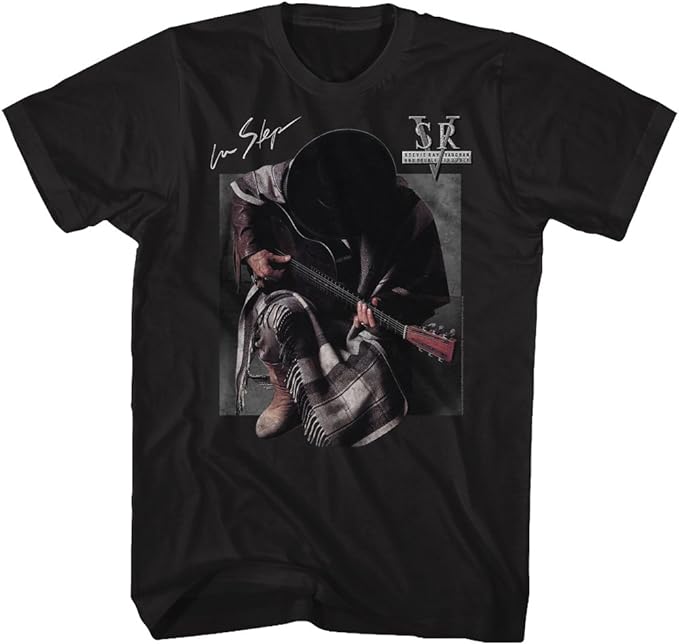 T-Shirt
Stevie Ray Vaughn
Stevie Ray Vaughn in Step Black Adult T-Shirt Tee
Amazon ↗
 T-Shirt
Alice In Chains
Alice in Chains T Shirt Self Titled Album
Amazon ↗
 T-Shirt
Siouxsie Music and
Siouxsie Music and The Banshees Shirt Men Short-Sleeve Graphic
Amazon ↗
 T-Shirt
Blur
Blur Leisure Blur Shadow T-Shirt
Amazon ↗
 T-Shirt
Crosby Music Stills
Crosby Music Stills Band Nash & Young T-Shirt
Amazon ↗
 CD
The Libertines
The Libertines
Amazon ↗
 T-Shirt
Bad Company
Bad Company Classic Bad Co Logo T-Shirt
Amazon ↗
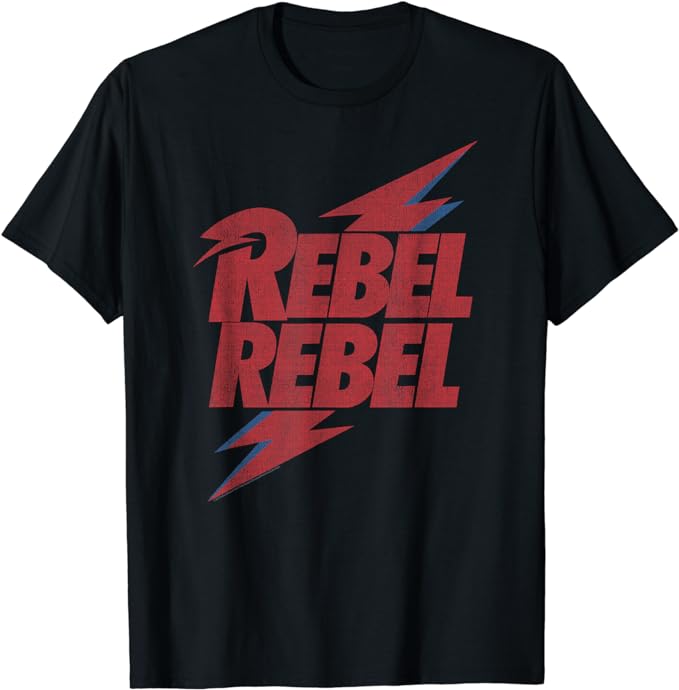 T-Shirt
David Bowie
David Bowie - Rebel Rebel Lightning Lyric T-Shirt
Amazon ↗
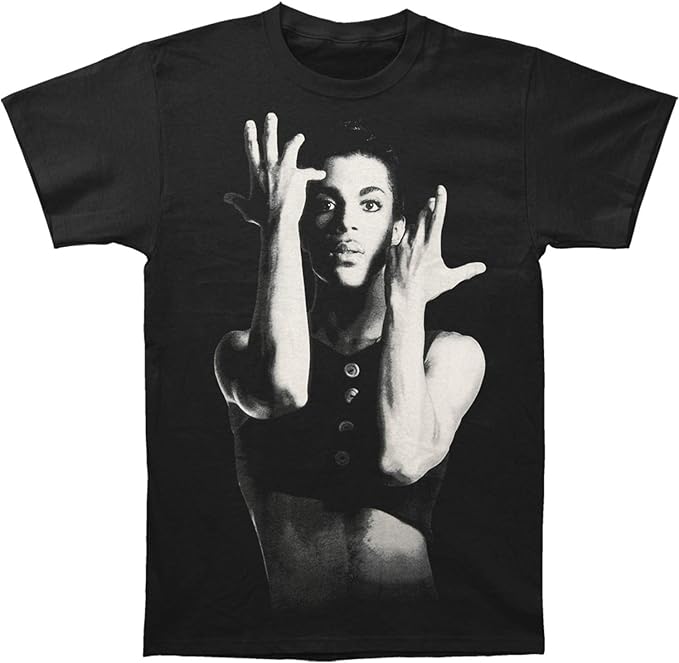 T-Shirt
Prince
Prince Official 1999 Purple T-Shirt
Amazon ↗
 T-Shirt
Beastie Boys
Beastie Boys Men's Bumble Bee Illustration T-Shirt White | Officially Licensed Merchandise
Amazon ↗
 T-Shirt
Fleetwood Mac
Fleetwood Mac Rumors T-Shirt
Amazon ↗
 T-Shirt
The Who
The Who Official Maximum R&B Tour T-Shirt
Amazon ↗
 T-Shirt
Inspiral Carpets
inspiral carpets moo! T-Shirt
Amazon ↗
 T-Shirt
Leonard Cohen
Classic Breathable Cotton Short Sleeves Casual Fade Resistant Crew Neck T-Shirts
Amazon ↗
 T-Shirt
AC/DC
AC DC - Canon T-Shirt
Amazon ↗
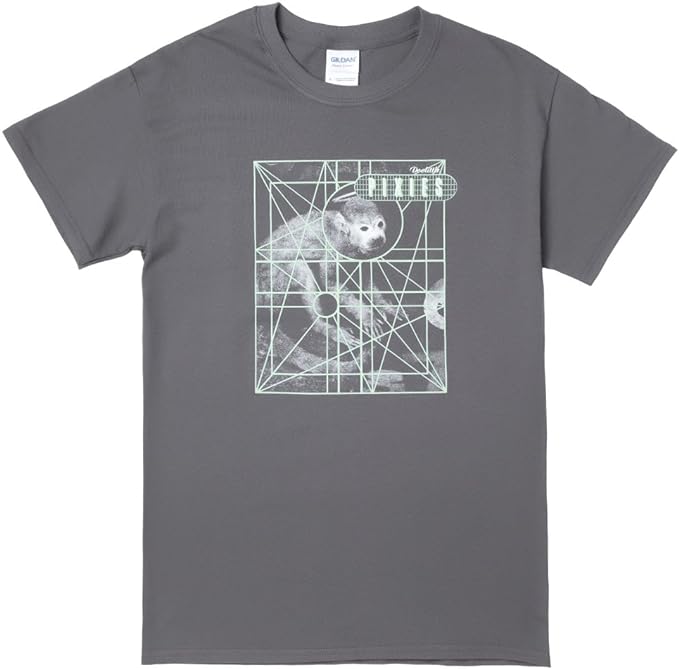 T-Shirt
Pixies
Pixies Monkey Grid T-Shirt - Black
Amazon ↗
 T-Shirt
The Clash
The Clash - London Calling T-Shirt
Amazon ↗
 T-Shirt
The bauhausART Logo
The bauhausART Logo - 100th Anniversary of the Design School T-Shirt
Amazon ↗
 T-Shirt
Vinyl Record Music
Vinyl Record Music LP Classic 80s Sunset T-Shirt
Amazon ↗
 T-Shirt
Siouxsie And The Banshees
Siouxsie and The Banshees T-Shirt Man Women Casual Round Neck
Amazon ↗
 Hoodie
Oasis
Oasis Definitely Maybe T-Shirt
Amazon ↗
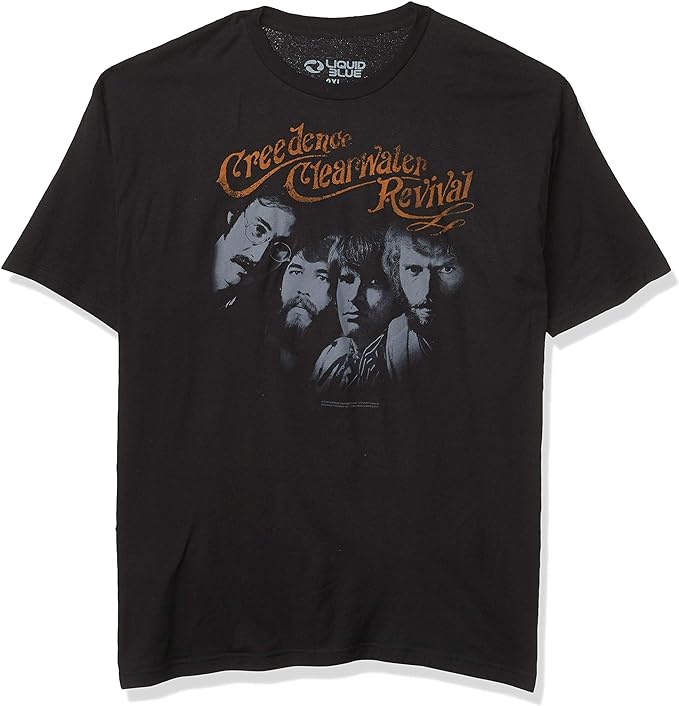 T-Shirt
Creedence Clearwater Revival
Creedence Clearwater Revival Pendulum T-Shirt
Amazon ↗
 T-Shirt
The Beatles
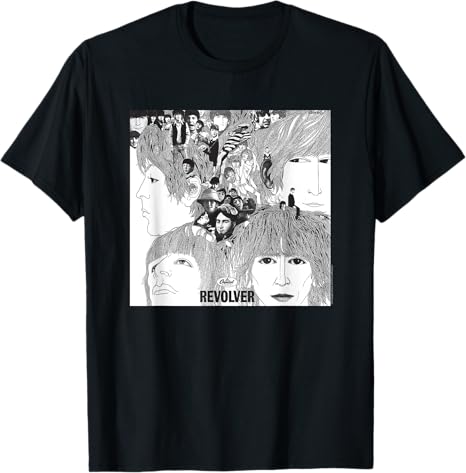
The Beatles - Revolver Album Cover T-Shirt
Amazon ↗
 T-Shirt
Love Zeppelin Proud
Love Zeppelin Proud Name Personalized Lovers Apparel Airship T-Shirt
Amazon ↗
 T-Shirt
Joy Division
Joy Division Classic Closer White Official Tee T-Shirt Mens Unisex
Amazon ↗
 T-Shirt
Smashing Pumpkins
T-Shirt Unisex Smashing Pumpkins Adore
Amazon ↗
 Vinyl
Rush
Rush A Farewell To Kings Vinyl
Amazon ↗
 T-Shirt
Sonic Youth
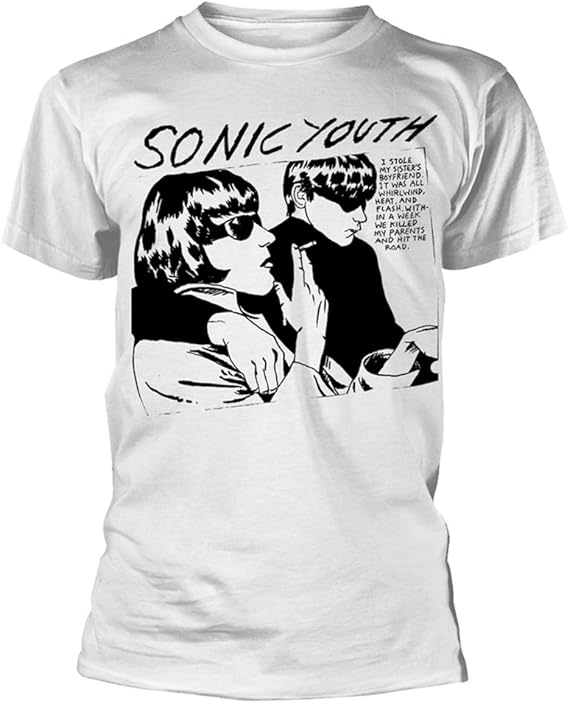
Plastic Head Sonic Youth 'Goo Album Cover' (White) T-Shirt
Amazon ↗
 T-Shirt
Faith No More
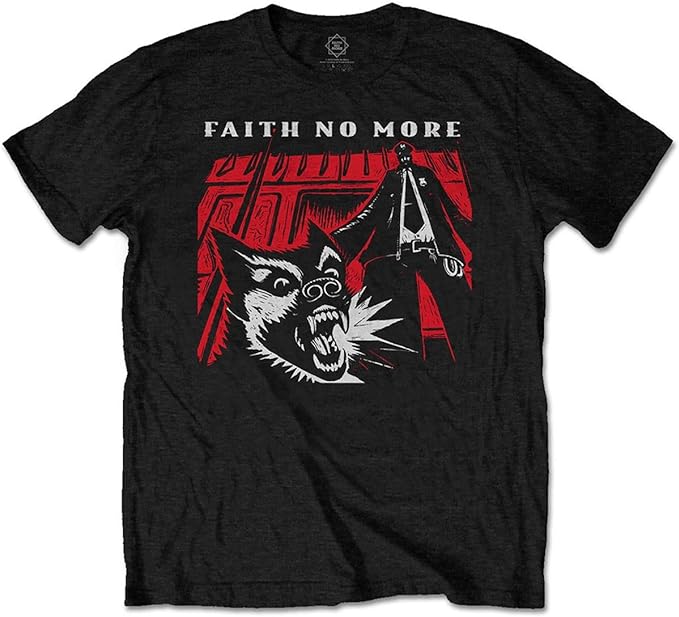
Rock Off Faith No More King for A Day Soft Slim Fit T-Shirt
Amazon ↗
 T-Shirt
Ramones
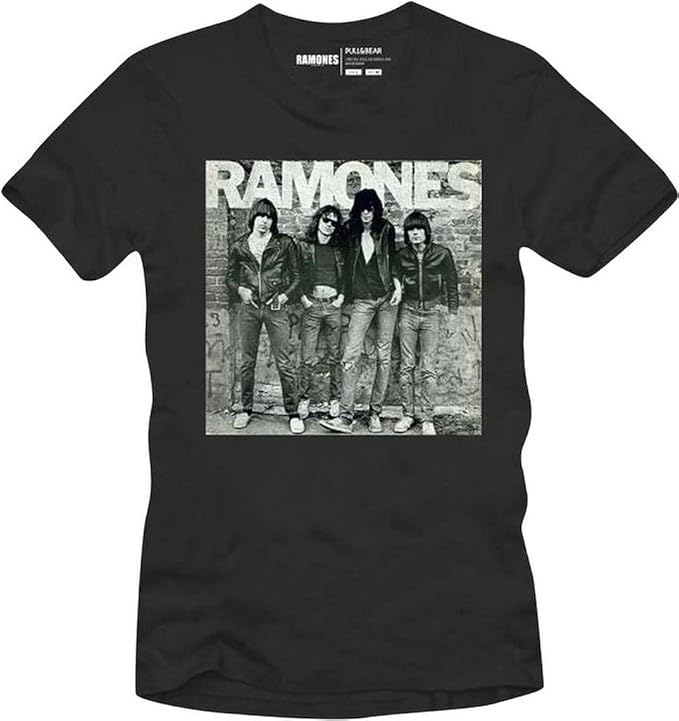
Ramones Men's 1st Album Cover T-Shirt Black
Amazon ↗
 CD
The Mamas & The Papas
The Mamas & The Papas
Amazon ↗
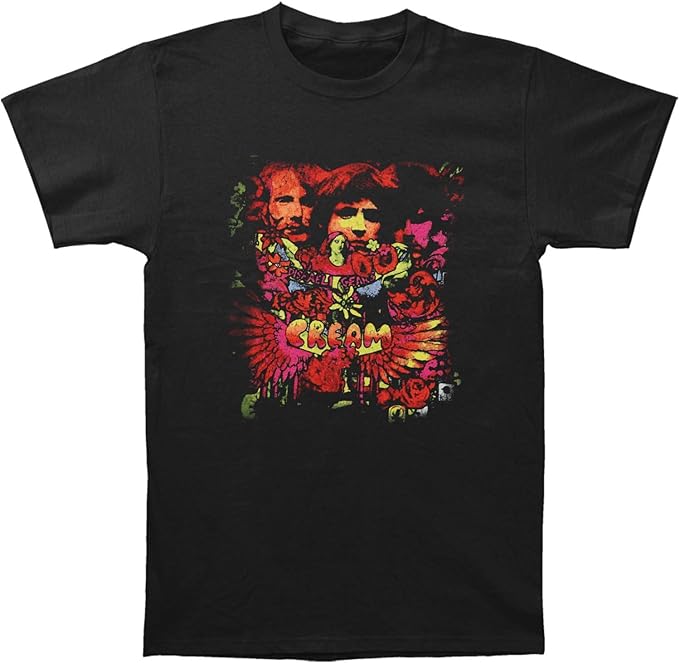 T-Shirt
Cream
Cream Men's Disraeli Gears T-shirt
Amazon ↗
 T-Shirt
Jimi Hendrix
Jimi Hendrix 1960's Psychedelic Musical Icon Afro Purple Haze T-Shirt Tee
Amazon ↗
 T-Shirt
Sepultura
Sepultura — Arise T-Shirt
Amazon ↗
 T-Shirt
The Smiths
The Smiths Band T-Shirt
Amazon ↗
 T-Shirt
The Cure
The Cure - Cures Graphic Art Musician T-Shirt
Amazon ↗
 Merch
Music Guitar Table
Music Guitar Table Lamp Art Decor Guitar Stuff Cool Gifts for Music Art Lovers
Amazon ↗
 T-Shirt
"Stayin' Alive" Vintage
"Stayin' Alive" Vintage 1970s classic Distressed T-Shirt
Amazon ↗
 T-Shirt
Iron Maiden
Iron Maiden - The Trooper T-Shirt
Amazon ↗
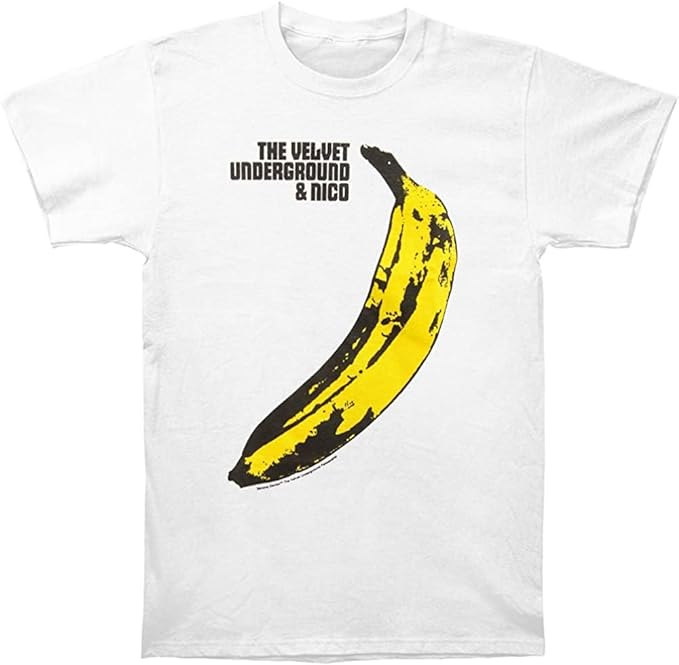 T-Shirt
The Velvet Underground
Qanipu The Velvet Underground Rock Band Music Group Banana White Adult T-Shirt Tee
Amazon ↗
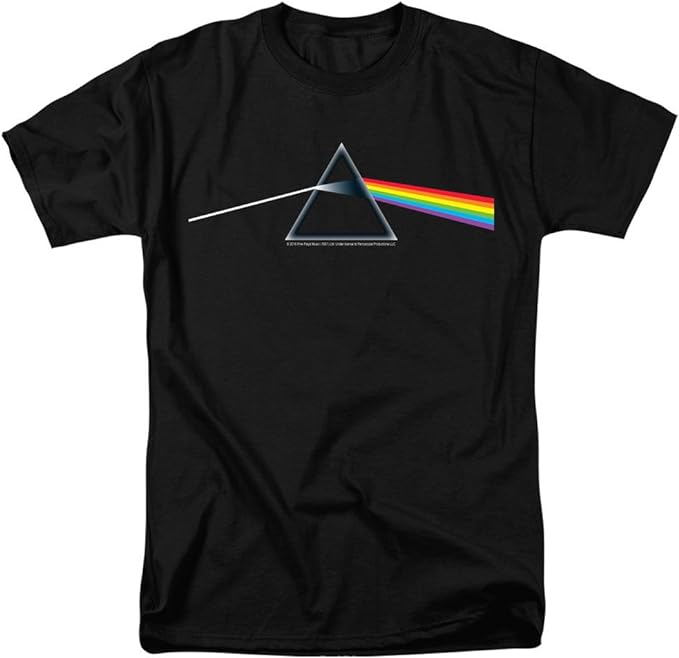 T-Shirt
Pink Floyd
Pink Floyd Dark Side of The Moon Album Rock Music, T Shirt & Stickers Black
Amazon ↗
 T-Shirt
Sex Pistols
Sex Pistols Official Japan Tour Front Logo T-Shirt
Amazon ↗