The Cranberries
Overview
The Cranberries were an Irish rock band that gained international fame in the early 1990s. Known for their distinctive sound that combined elements of rock, post-punk, and traditional Irish music, The Cranberries were a prominent part of the alt-rock scene. Fronted by the charismatic and distinctively voiced singer Dolores O'Riordan, the band achieved significant commercial success and critical acclaim. Their music often dealt with themes of politics, love, and personal introspection, resonating with a wide audience. The Cranberries' ability to blend haunting melodies with powerful rock arrangements made them stand out in the music world, leading to millions of albums sold worldwide. The band enjoyed a fruitful career with several chart-topping hits before taking a hiatus in the early 2000s and reuniting later for tours and new music.
Formation and Early Years
The Cranberries formed in Limerick, Ireland, in 1989. Initially, the band was composed of brothers Noel Hogan and Mike Hogan, along with drummer Fergal Lawler. After an initial phase of performing under the name 'The Cranberry Saw Us', they were joined by Dolores O'Riordan, whose arrival was a turning point in the band's development. With O'Riordan's distinctive voice and songwriting input, The Cranberries started to craft a unique sound. The band's early years were marked by extensive gigging in Ireland and the UK, gradually building a loyal fanbase. The local music scene in Limerick played a role in shaping their style, as did their influences from both traditional Irish music and contemporary rock bands. Their early demos caught the attention of major labels, leading to their first recording contract.
Career Highlights
The Cranberries released their debut album, 'Everybody Else Is Doing It, So Why Can't We?', in 1993, which included hits like 'Linger' and 'Dreams'. This album was a commercial success, establishing them as a major force in the alternative music scene. Their follow-up album, 'No Need to Argue' (1994), featured the anthemic 'Zombie', a song that addressed the violence in Northern Ireland and became one of their most iconic tracks. Throughout the 1990s, The Cranberries continued to release successful albums such as 'To the Faithful Departed' (1996) and 'Bury the Hatchet' (1999), maintaining a strong presence on the charts and touring extensively. The band's live performances were acclaimed for their energy and O'Riordan's captivating stage presence.
Musical Style
The Cranberries' musical style is a rich blend of rock, post-punk, and elements of traditional Irish music. They are known for their melodic structure, poignant lyrics, and Dolores O'Riordan's unique vocal delivery, which combines a lilting Irish accent with powerful emotive singing. Their music often features jangly guitar lines, melancholic piano accompaniments, and driving rhythms that underpin the emotional narrative of their songs. Topics in their music range from personal loss and love to social and political issues, often delivering messages with raw emotional intensity. The band’s ability to incorporate elements of Celtic music into a contemporary rock format helped them carve out a niche in the 1990s rock scene.
Most Important Albums
The debut album, 'Everybody Else Is Doing It, So Why Can't We?' released in 1993, was the record that catapulted The Cranberries to global fame. The singles 'Linger' and 'Dreams' are still regarded as classic hits. Their second album, 'No Need to Argue' (1994), not only achieved multi-platinum status but also included 'Zombie', which became a global anthem recognized for its haunting sound and poignant lyrics. These first two albums are central to their discography and established the band's lasting legacy. 'To the Faithful Departed' (1996) showcased a heavier rock influence and continued their success despite mixed critical reviews. They continued to evolve their style in the albums 'Bury the Hatchet' (1999) and 'Wake Up and Smell the Coffee' (2001), each contributing to their lasting impact on the rock genre.
Legacy and Influence
The Cranberries have left a lasting legacy in the music world. Their unique blend of rock with Irish influences paved the way for many bands that followed. They are often credited with bringing Irish alternative music to the global stage, inspiring countless artists with their sound. Dolores O'Riordan's distinct vocal style has been a point of influence for many singers, and her untimely death in 2018 was widely mourned across the music community and beyond. The band's influence can also be seen in the way they addressed social issues through their music, with songs like 'Zombie' becoming timeless anthems for change. They are celebrated not just for their distinctive sound, but for their ability to connect with listeners on an emotional level, ensuring their music remains relevant and cherished.
Albums by The Cranberries

In the End
April 26, 2019
Nu metal, rap rock, alternative rock, hard rock

Something Else
April 28, 2017
Acoustic rock, Alternative rock

Roses
February 21, 2012
Alternative rock

Wake Up and Smell the Coffee
October 22, 2001
Pop rock, alternative rock

Bury the Hatchet
April 19, 1999
Alternative rock, folk rock, indie pop, jangle pop

To the Faithful Departed
April 29, 1996
Alternative rock, pop rock, post-punk
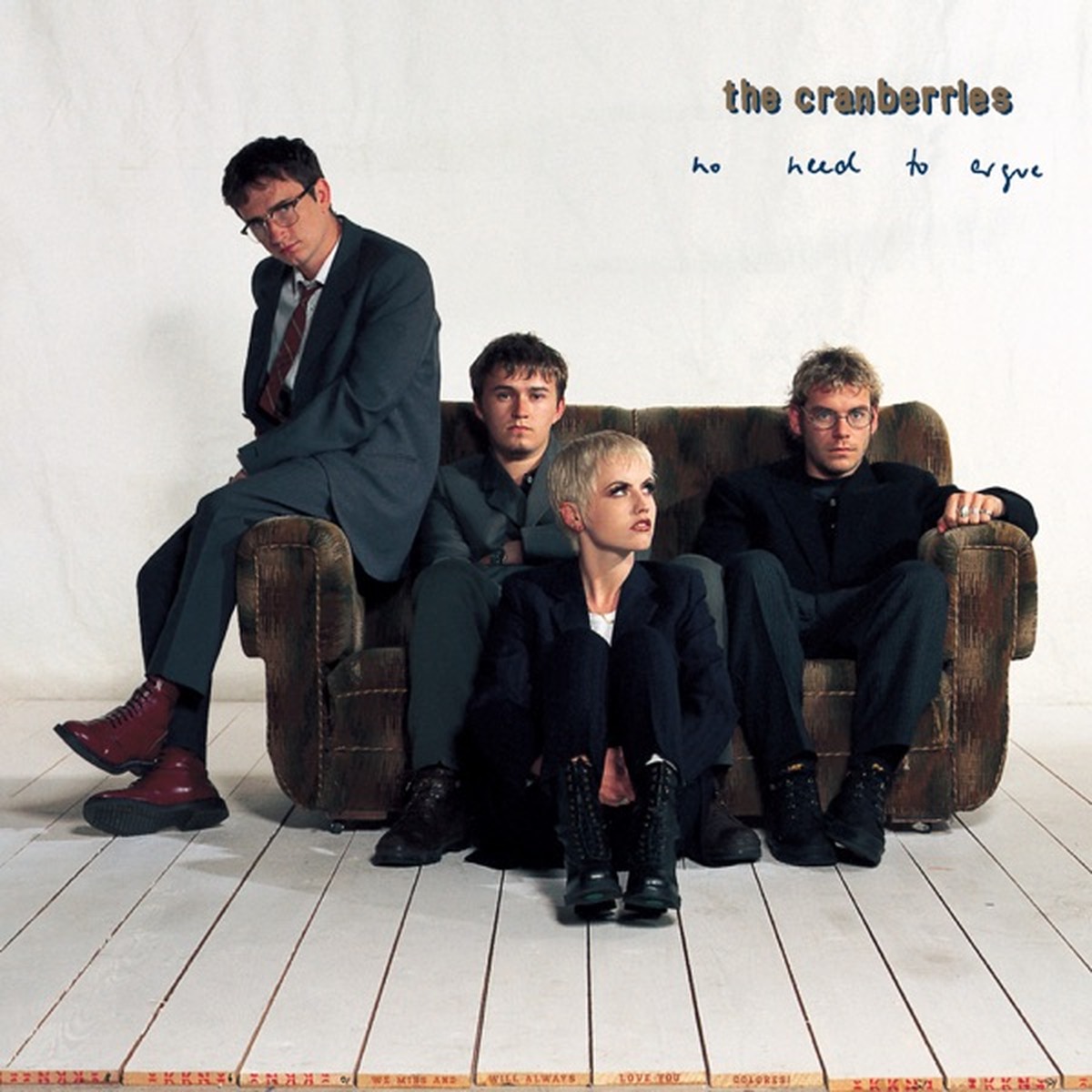
No Need to Argue
October 03, 1994
Alternative rock, jangle pop, Irish folk, post-punk

Everybody Else Is Doing It, So Why Can't We?
March 01, 1993
Alternative rock, indie pop, Irish folk, jangle pop, post-punk, dream pop
Musicians / Members connected to The Cranberries


FAQ about The Cranberries
What genre is The Cranberries?
The Cranberries is commonly associated with Alternative Rock, Post-Punk, Irish Rock.
Where is The Cranberries from?
The Cranberries is from Limerick, Ireland.
How many albums by The Cranberries are listed on musicOnOff?
musicOnOff currently lists 8 albums by The Cranberries.
