No Need to Argue
by The Cranberries
Released: October 03, 1994
Alternative rock, jangle pop, Irish folk, post-punk
Shop The Cranberries
Amazon affiliate linksWhy This Album Matters
This album matters because its strongest editorial story is: Breakthrough.
The Album
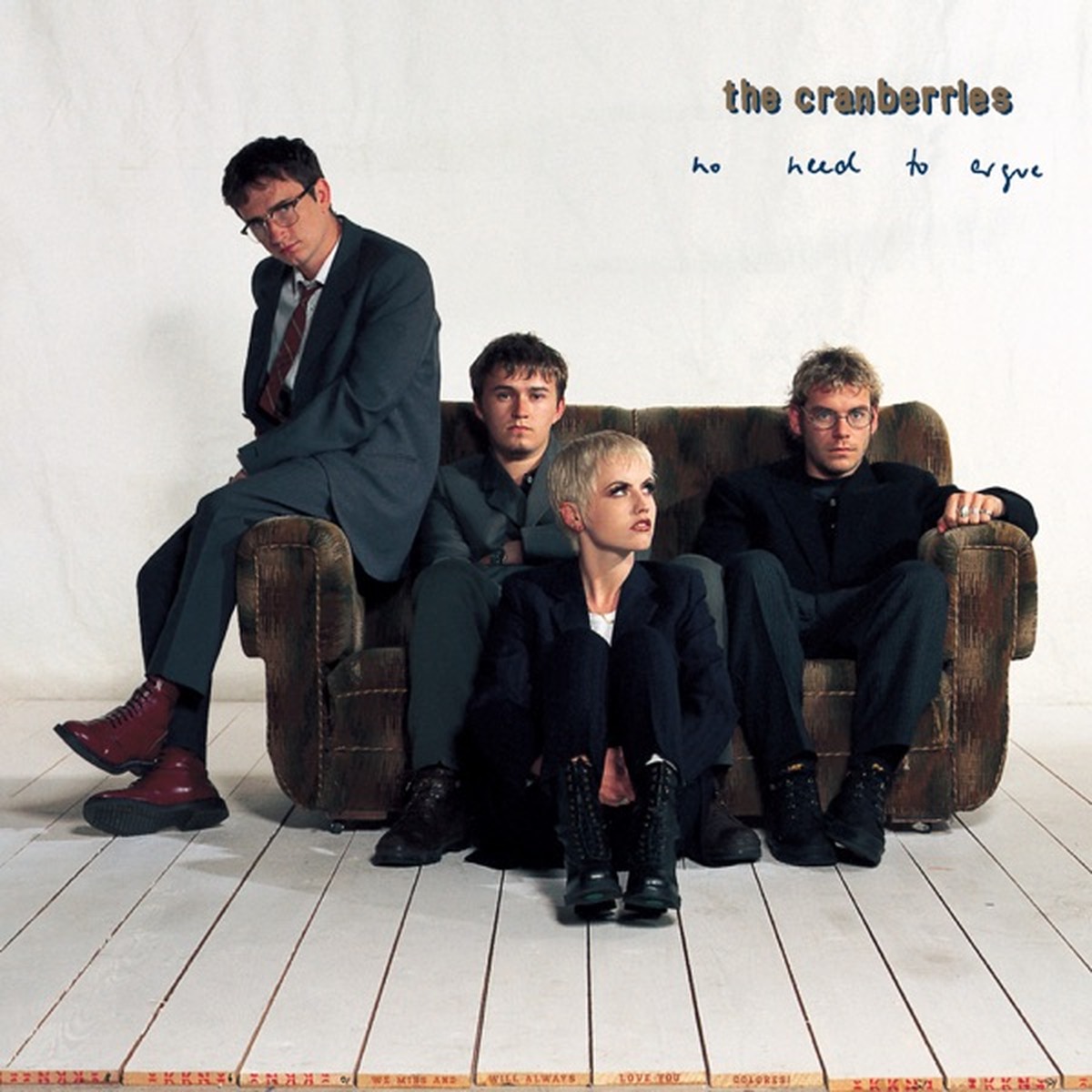
"No Need to Argue" is the second studio album by the Irish alternative rock band The Cranberries, released on 3 October 1994 through Island Records. Drummer Fergal Lawler mentioned that this musical shift was a natural progression following two years of touring, where they became accustomed to performing loudly on stage. The sofa was transported to various locations in Dublin, including Dalkey Island, and ultimately photographed in a studio where a white room was constructed for the cover shot.
Inside the Recording
During a week off in New York City, the band recorded demos for the album after calling producer Stephen Street, who flew in from London to help them lay down early versions of six songs at the Magic Shop recording studios.
Interesting Facts
The disc itself featured a photo of just…
The disc itself featured a photo of just the sofa in the same studio.
The album features one of the band's most…
The album features one of the band's most recognized songs, "Zombie," and is noted for its darker and harsher mood compared to their debut album, Everybody Else Is Doing It, So Why Can't We?, released a year earlier.
In crafting this album, the band embraced a…
In crafting this album, the band embraced a rockier and heavier sound, utilizing distortion and increasing volume.
The track "Yeat's Grave" pays homage to poet…
The track "Yeat's Grave" pays homage to poet William Butler Yeats and includes quotes from his poem, "No Second Troy." "Zombie," written by Dolores O'Riordan, addresses the Warrington IRA bombings in 1993 that resulted in the tragic deaths of two children.
Another song, "The Icicle Melts," also written by…
Another song, "The Icicle Melts," also written by O'Riordan, reflects her reaction to the case of James Bulger, originally titled "The Liverpool Child" as a reference to the location of his murder.
Essential Tracks
The Icicle Melts
Another song, "The Icicle Melts," also written by O'Riordan, reflects her reaction to the case of James Bulger, originally titled "The Liverpool Child" as a reference to the location of his murder.
No Need To Argue
"No Need to Argue" is the second studio album by the Irish alternative rock band The Cranberries, released on 3 October 1994 through Island Records.
Explore the Album
The Cranberries - No Need to Argue
Open in Albums Gallery
Reception
It is the band's best-selling album, having sold 17 million copies worldwide as of 2014.
The Complete Album Story
"No Need to Argue" is the second studio album by the Irish alternative rock band The Cranberries, released on 3 October 1994 through Island Records. It is the band's best-selling album, having sold 17 million copies worldwide as of 2014. The album features one of the band's most recognized songs, "Zombie," and is noted for its darker and harsher mood compared to their debut album, Everybody Else Is Doing It, So Why Can't We?, released a year earlier.
In crafting this album, the band embraced a rockier and heavier sound, utilizing distortion and increasing volume. Drummer Fergal Lawler mentioned that this musical shift was a natural progression following two years of touring, where they became accustomed to performing loudly on stage. During a week off in New York City, the band recorded demos for the album after calling producer Stephen Street, who flew in from London to help them lay down early versions of six songs at the Magic Shop recording studios.
The track "Yeat's Grave" pays homage to poet William Butler Yeats and includes quotes from his poem, "No Second Troy." "Zombie," written by Dolores O'Riordan, addresses the Warrington IRA bombings in 1993 that resulted in the tragic deaths of two children. Another song, "The Icicle Melts," also written by O'Riordan, reflects her reaction to the case of James Bulger, originally titled "The Liverpool Child" as a reference to the location of his murder.
For the album's cover art, art director Cally collaborated with photographer Andy Earl, using the same sofa featured on their debut album. The sofa was transported to various locations in Dublin, including Dalkey Island, and ultimately photographed in a studio where a white room was constructed for the cover shot. Influenced by a recent photo of Blur, the band opted to dress in suits. Hand lettering for the design was done by Charlotte Villiers, a video coordinator at Island Records and a distant relative of the Villiers engine manufacturing family.
Each single sleeve included images of the band on the sofa in different locations, which also appeared in the album's booklet. The disc itself featured a photo of just the sofa in the same studio. This iconic sofa later appeared in the video for "Alright" by the British band Supergrass in 1995.
More Alternative rock Albums
 The Smashing Pumpkins - Siamese Dream
 Thompson Twins - Queer
 EMF - Cha Cha Cha
 Siouxsie And The Banshees - Peepshow
 Weezer - Weezer (Blue Album)
 Cage the Elephant - Tell Me I'm Pretty
 Eagles Of Death Metal - Death by Sexy
 Screaming Trees - Last Words: The Final Recordings
 The Cranberries - Bury the Hatchet
 Alice in Chains - Unplugged
 Manic Street Preachers - The Ultra Vivid Lament

Join the Conversation
Share your thoughts about this album.
Please log in to add a comment.
No comments yet. Be the first to comment.