The Clash
Overview
The Clash was an English rock band that became one of the most influential groups in the punk rock movement, which began in the mid-1970s. Known for their rebellious attitude, politically charged lyrics, and eclectic musical style, The Clash combined elements of punk rock with reggae, dub, funk, and rockabilly. This fusion not only set them apart from their contemporaries but also helped them to reach a diverse audience globally.
The band was formed in 1976 during the early wave of British punk and quickly gained a reputation for their energetic live performances and strong leftist political views. The Clash's music often addressed topics such as unemployment, racial oppression, and class inequality, resonating deeply with the marginalized youth of the time. Their stance was underscored by their support of various political causes and their participation in events like the Rock Against Racism concerts.
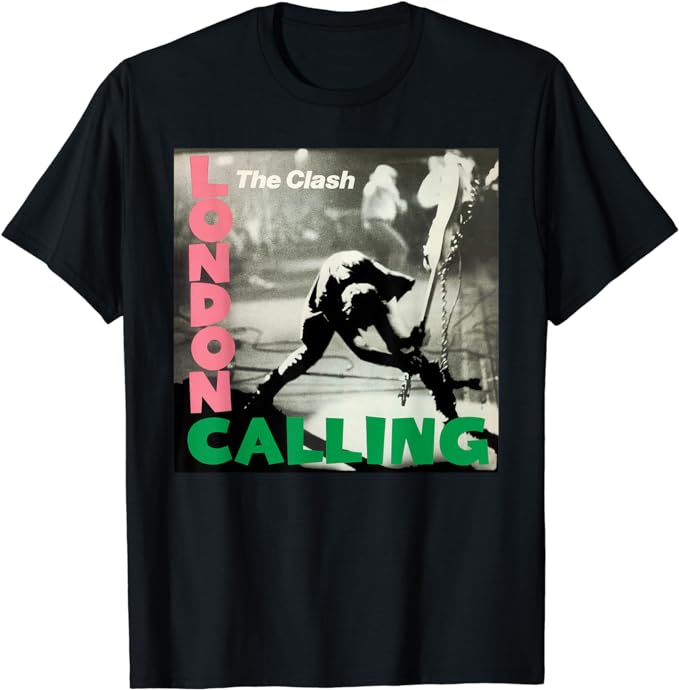
The commercial success of The Clash extended far beyond the conventional boundaries of punk rock. Their third studio album, "London Calling," is often cited as one of the greatest albums of all time and demonstrated the band's ability to transcend the punk genre by incorporating diverse musical influences. The Clash's work continued to evolve throughout their career, pushing the boundaries of what punk rock could be and leaving a lasting impact on generations of musicians that followed.
Despite their relatively short career as a band, The Clash's influence can still be seen today, both in the music industry and cultural landscapes. They inspired numerous artists across various genres with their innovative music and their dedication to using their platform for social and political activism.
Formation and Early Years
The Clash was formed in London in 1976. The original lineup included Joe Strummer, the band's primary vocalist and guitarist, Mick Jones on guitar and vocals, Paul Simonon on bass, and Keith Levene, who played guitar in the very early days but left shortly after the band's inception. Topper Headon later joined as drummer, completing the lineup most associated with the band's classic period.
Before forming The Clash, Joe Strummer played in a pub rock band called The 101ers, while Mick Jones and Paul Simonon were involved in a band known as London SS, which never performed live. The Clash's formation was heavily influenced by the burgeoning punk scene in London, particularly after Jones attended a Sex Pistols concert and decided to fully commit to forming a band.
In the early days, The Clash gained attention for their raw sound and politically charged lyrics, quickly signing with CBS Records. Their self-titled debut album was released in 1977, capturing the energy and anger of the punk movement. Their music was a reflection of the socio-economic and political issues facing the UK at that time, positioning The Clash as a voice for the disaffected youth.
This early period of The Clash was marked by their alignment with punk's DIY ethos and their efforts to challenge the established norms of the music industry. Despite initial resistance from mainstream outlets, The Clash's relentless touring and powerful performances helped them to build a dedicated fanbase, setting the stage for their future success.
Career Highlights
The Clash's career was marked by several significant achievements and milestones that underscored their importance in the music world. After their self-titled debut album, The Clash followed with "Give 'Em Enough Rope" in 1978, which reached number 2 on the UK charts, further establishing their presence.
Their third album, "London Calling," released in 1979, was a major breakthrough. Its wide range of musical styles demonstrated the band's versatility and willingness to venture beyond the constraints of punk rock. The album was a critical and commercial success, influencing not just the punk scene, but also reaching a broader audience internationally, eventually being certified platinum in the United States.
The Clash continued to innovate with their fourth studio album, "Sandinista!", a triple LP released in 1980, which included a mix of dub, reggae, rock, and world music influences. Although its length and diversity did not earn universal praise at the time, it has since been recognized as a bold and ambitious work.
Their fifth album, "Combat Rock" (1982), became the band's best-selling record, featuring hits like "Rock the Casbah" and "Should I Stay or Should I Go," which received significant airplay and brought The Clash even greater fame. Despite this commercial success, tensions within the band were beginning to surface, eventually leading to lineup changes and the band's dissolution in 1985.
Musical Style
The Clash was renowned for their eclectic musical style, fusing elements of punk rock with a variety of other genres, making their music both innovative and accessible to a wide audience. While they emerged from the punk movement, which was characterized by its raw, fast-paced, and rebellious sound, The Clash quickly expanded their musical palette.
Reggae and ska were significant influences on The Clash's sound, most notably seen in tracks like "(White Man) In Hammersmith Palais" and "Rudie Can't Fail." The band infused their music with these genres, reflecting their appreciation for the music's rhythmic and harmonic complexity, as well as its alignment with themes of social and political resistance.
The Clash also explored elements of rockabilly, funk, and hip hop, especially evident in "Sandinista!" and "Combat Rock." They weren't afraid to incorporate unconventional instruments and recording techniques, experimenting with different soundscapes to enhance their music's thematic impact.
Their lyrical content, often politically charged and socially aware, set The Clash apart from many of their contemporaries. They sang about issues such as unemployment, racial tension, and social injustice, with songs like "London Calling" and "Clampdown" addressing the concerns of their generation. Their ability to blend these diverse styles while maintaining a distinct sound is a testament to their creativity and their lasting impact on the music industry.
Most Important Albums
"The Clash's self-titled debut album, released in 1977, is considered one of the most important records in punk rock history. It captured the raw energy and political rage of the band, with tracks like "White Riot" and "Career Opportunities" addressing class struggles and disillusionment among the youth of the UK. This album laid the foundation for The Clash's identity as punk pioneers.
"London Calling," released in 1979, is perhaps the band's most celebrated work. Hailed as one of the greatest albums of all time, it marked a significant evolution in their sound, incorporating influences from reggae, ska, and rockabilly. The title track, along with songs like "Train in Vain" and "Spanish Bombs," showcased their lyrical and musical prowess, earning widespread critical acclaim.
"Sandinista!," released in 1980, was a bold and expansive triple album that further pushed the boundaries of punk rock. Despite its initial mixed reviews due to its experimental nature and sheer length, "Sandinista!" has been reevaluated over time as a groundbreaking work that demonstrated The Clash's willingness to defy expectations and experiment with new sounds.
"Combat Rock," released in 1982, became The Clash's most commercially successful album, producing hit singles such as "Rock the Casbah" and "Should I Stay or Should I Go." These songs achieved significant radio play and brought the band mainstream recognition while still addressing political and social issues through their music.
Legacy and Influence
The Clash's legacy is profound, with their influence extending far beyond the realm of punk rock and into the broader music landscape. They are often credited with broadening the scope of punk music by incorporating diverse musical styles and tackling complex social and political issues in their lyrics.
Many contemporary bands and artists cite The Clash as a major influence, including the likes of U2, Rancid, and Green Day, who have acknowledged The Clash's impact on both their musical style and their approach to integrating political messages into their work. The Clash's ability to blend punk's raw energy with more varied genres helped pave the way for numerous bands that followed.
The Clash also played a pivotal role in the Rock Against Racism movement and were known for their activism and support of various political causes. Their commitment to social justice resonated with fans worldwide and demonstrated the potential for music to serve as a powerful tool for change.
Decades after their breakup, The Clash's music remains relevant, with their songs continuing to be played and celebrated. Their induction into the Rock and Roll Hall of Fame in 2003 solidified their status as one of the most important and influential bands in rock history. The Clash's fearless experimentation and dedication to their ideals continue to inspire musicians and activists alike, maintaining their status as icons of both music and social consciousness.
Albums by The Clash

The Singles (2007 The Clash album)
June 04, 2007
Punk rock, dance-punk, new wave

The Essential Clash
March 11, 2003
Punk rock, post-punk, new wave

Clash on Broadway
November 19, 1991
Punk rock

The Singles (1991 The Clash album)
November 04, 1991
Punk rock
🛍 Shop Music

The Story of the Clash, Volume 1
February 29, 1988
Punk rock

Cut the Crap
November 04, 1985
Punk rock, new wave

Combat Rock
May 14, 1982
Post-punk, new wave

Sandinista!
December 12, 1980
Post-punk, experimental, dub, world, reggae punk

Super Black Market Clash
October 26, 1980
Punk rock, reggae, dub

London Calling
December 14, 1979
Punk rock, new wave, post-punk, ska punk

Give 'Em Enough Rope
November 10, 1978
Punk rock

The Clash (album)
April 08, 1977
Punk rock
Musicians / Members connected to The Clash




FAQ about The Clash
What genre is The Clash?
The Clash is commonly associated with Punk rock, Post-punk, New wave, Reggae, Rock.
Where is The Clash from?
The Clash is from London, England, United Kingdom.
How many albums by The Clash are listed on musicOnOff?
musicOnOff currently lists 12 albums by The Clash.
