Sting
Overview
Sting, born Gordon Matthew Thomas Sumner on October 2, 1951, is a renowned British musician, singer, songwriter, and actor. He emerged into the musical spotlight as the lead singer and bassist for the rock band The Police, before embarking on a highly successful solo career. Sting is recognized for his distinctive voice, skilled songwriting, and innovative fusion of various musical genres, including rock, jazz, and classical music. His ability to reinvent his sound has kept him relevant over the decades, and he is celebrated for his contributions to music both as part of a band and as a solo artist. Sting's artistry has earned him numerous awards, including 17 Grammys, and his music often reflects his views on social and political issues, showcasing his role not just as an artist but as an activist.
Formation and Early Years
Sting was raised in Wallsend, England, where he developed a passion for music early in life. The oldest of four children, he was brought up in a working-class family and learned to play the guitar as a child. After spending time as a teaching assistant and playing with various bands, Sting's big break came in the late 1970s when he formed The Police with Stewart Copeland and Henry Padovani, who was soon replaced by Andy Summers. The band quickly rose to fame in the late 70s and early 80s. Known for their unique sound that combined punk, reggae, and rock, The Police became one of the seminal bands of their time, famed for hits like 'Roxanne' and 'Every Breath You Take'.
Career Highlights
Throughout his career, Sting has constantly sought to explore new musical territories. After The Police disbanded in 1986, he continued to find success as a solo artist, releasing his debut album 'The Dream of the Blue Turtles' in 1985. The album showcased his versatility, mixing jazz with rock and spawned hits like 'If You Love Somebody Set Them Free'. His collaboration with other artists and his foray into acting further broadened his artistic scope. Apart from his musician's career, Sting is also known for his humanitarian work, campaigning for issues like environmental awareness and human rights. His contributions have been recognized worldwide, earning him induction into the Rock and Roll Hall of Fame as a member of The Police and as a solo artist.
Musical Style
Sting's musical style is highly eclectic, characterized by his penchant for blending genres. His work with The Police incorporated elements of punk, reggae, and new wave, while his solo career saw him integrating jazz, classical, and world music influences. His songwriting often reflects a deep intellectualism, touching on subjects like love, politics, and spirituality. Sting's background in jazz is evident in his complex musical arrangements and sophisticated melodies. His voice, described as both powerful and soothing, complements his innovative instrumental work, making his music both unique and universally appealing. His ability to adapt and explore diverse musical landscapes has kept his sound fresh and timeless across generations.
Most Important Albums
Among Sting's most significant album releases are 'The Dream of the Blue Turtles', '...Nothing Like the Sun', and 'Ten Summoner's Tales'. 'The Dream of the Blue Turtles', released in 1985, marked his solo debut and displayed his ability to cross musical boundaries, featuring influences from jazz. '...Nothing Like the Sun', released in 1987, continued this exploration and included hits such as 'Englishman in New York' and 'Fragile'. This album was praised for its maturity and depth. In 1993, 'Ten Summoner's Tales' solidified his status as a solo artist with critically acclaimed tracks like 'Fields of Gold' and 'If I Ever Lose My Faith in You'. Each album reflects a different phase in Sting's career, echoing his personal growth and artistic evolution.
Legacy and Influence
Sting's legacy is vast and multifaceted. As an artist, he has left an indelible mark on both rock music and the broader musical landscape. His fusion of genres has influenced countless musicians, and his commitment to social issues has inspired many. As a member of The Police, he helped define the sound of the late 70s and early 80s, pushing the boundaries of what rock music could be. His solo work further expanded these boundaries, embracing global sounds and promoting cross-cultural understanding through music. Sting's impact extends beyond his recordings; he has been an outspoken advocate for environmental causes and human rights, lending his voice and influence to campaigns worldwide. His honors and awards, including his induction into the Rock and Roll Hall of Fame, underscore his status as one of the most important figures in contemporary music.
Albums by Sting

The Bridge
November 19, 2021
Pop-rock

Duets (Sting album)
March 19, 2021
Rock, pop, new wave, post-punk, ska, reggae, jazz, world, soft rock

My Songs
May 24, 2019
Rock, pop

57th & 9th
November 11, 2016
Pop rock

The Last Ship
September 20, 2013
Rock, jazz, folk, blues, Celtic, sea shanty

Live in Berlin
November 22, 2010
Rock, pop rock, jazz

Symphonicities
July 14, 2010
Rock, classical

If on a Winter's Night...
October 26, 2009
Pop, folk, classical

Songs from the Labyrinth
October 10, 2006
Classical, Renaissance music

Sacred Love
September 29, 2003
Jazz pop, R&B, world

All This Time
November 05, 2001
Rock, pop rock, jazz
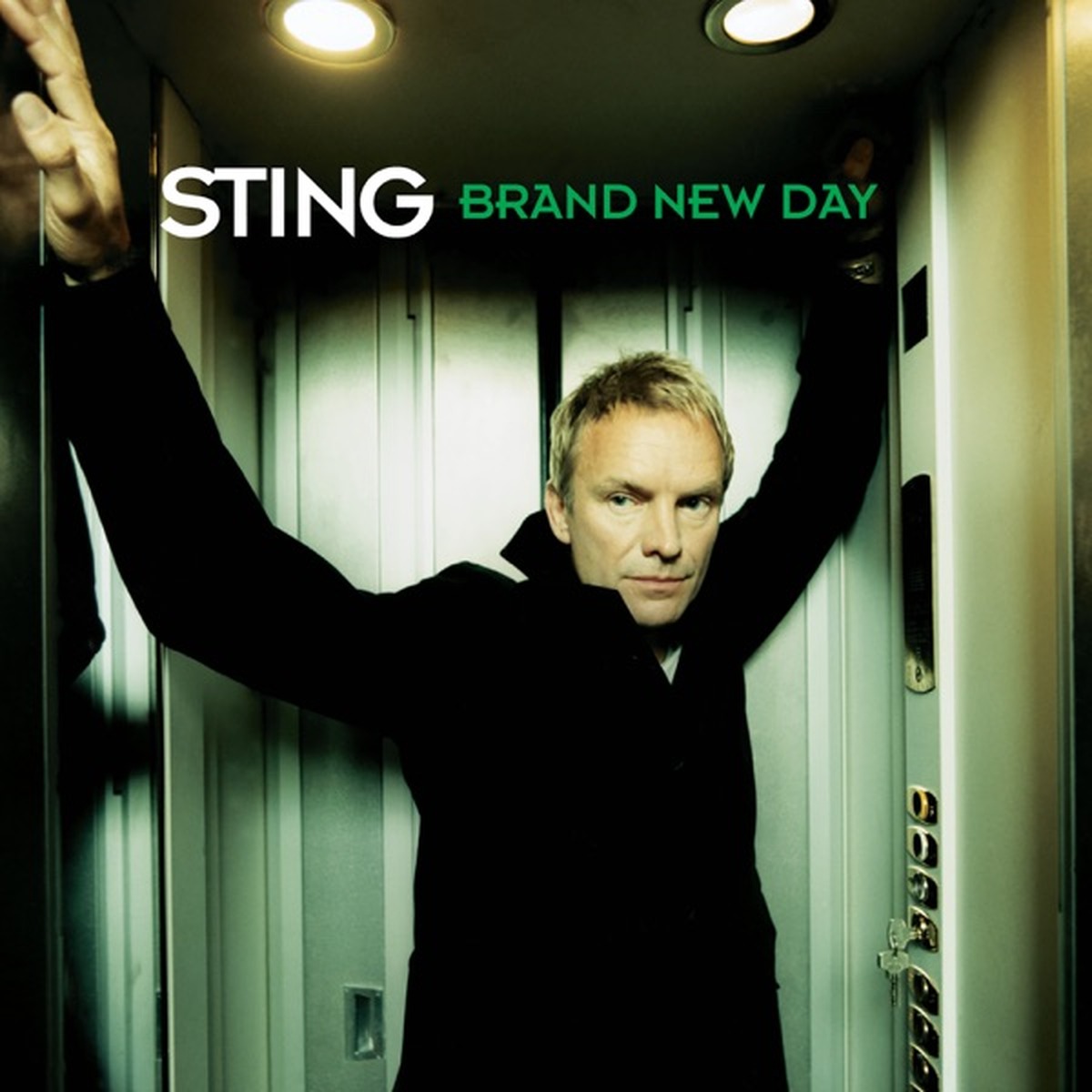
Brand New Day
September 27, 1999
Pop rock, world

Mercury Falling
March 08, 1996
Alternative rock, Adult contemporary

Fields of Gold: The Best of Sting 1984–1994
November 07, 1994
Rock

Ten Summoner's Tales
March 01, 1993
Pop rock, soft rock, jazz rock

The Soul Cages
January 21, 1991
Pop rock

...Nothing Like the Sun
October 16, 1987
Pop, soft rock, jazz, reggae, world, acoustic rock

The Dream of the Blue Turtles
June 17, 1985
Pop rock
Musicians / Members connected to Sting

FAQ about Sting
What genre is Sting?
Sting is commonly associated with Rock, Pop, Reggae, Jazz, New Wave.
Where is Sting from?
Sting is from Wallsend, Newcastle upon Tyne, England.
How many albums by Sting are listed on musicOnOff?
musicOnOff currently lists 18 albums by Sting.
