Stevie Wonder
Overview
Stevie Wonder is one of the most celebrated and influential musicians of the 20th century. Born Stevland Hardaway Morris on May 13, 1950, in Saginaw, Michigan, he became a prodigy who demonstrated extraordinary musical abilities from an early age. Blind shortly after birth, Stevie Wonder's story is one of triumph over adversity. His career spans more than six decades, having begun as a child star in the early 1960s. Known for his skill as a multi-instrumentalist, most notably on the piano and harmonica, Stevie Wonder's musical genius and ability to blend various genres have captivated audiences worldwide. Over the years, he has evolved from a Motown prodigy into a cultural icon, embedding himself in the history of soul, R&B, and pop music. His extensive catalog includes classic hits that have been anthems for social change and personal introspection.
Stevie Wonder's impact goes beyond his discography, as his commitment to social justice and philanthropy has marked him as a significant figure in advocating for civil rights. He has utilized his platform to campaign for causes such as anti-apartheid efforts and the national recognition of Martin Luther King Jr. Day. His influence has stretched across generations and transcended cultural boundaries, making him an enduring figure in both music and social activism. Throughout his career, Stevie Wonder has garnered numerous awards and accolades, including 25 Grammy Awards, making him one of the most decorated artists in history.
His music is characterized by rich melodies, complex arrangements, and poignant lyrics that often touch on love, spirituality, and societal issues. Stevie Wonder's ability to weave these elements into his songs has led to chart-topping success and critical acclaim. His work continues to inspire artists across a myriad of genres, illustrating his versatility and the timeless nature of his music. As a pioneer in the industry, Stevie Wonder has continually reinvented himself while maintaining the core elements that make his music resonate with such authenticity and emotion.
Formation and Early Years
Stevie Wonder was born prematurely, and the oxygen-rich atmosphere of the hospital incubator resulted in retinopathy of prematurity, a condition that caused his blindness. Despite this challenge, he displayed a remarkable aptitude for music at an early age. By the age of four, Stevie was already singing in the church choir and learning to play instruments such as the piano, drums, and harmonica. His family relocated to Detroit, Michigan, where his musical talents were encouraged and nurtured.
The turning point in Stevie Wonder's early career came when he was discovered by Ronnie White of the Miracles, another Motown group. White introduced the young prodigy to Motown’s Berry Gordy, who was immensely impressed by Stevie's extraordinary abilities. At just eleven years old, Stevie Wonder signed a contract with Motown Records, marking the beginning of an illustrious career.
In the early years, Stevie took on the stage name "Little Stevie Wonder." His first recorded album was "The Jazz Soul of Little Stevie," which showcased his instrumental prowess. This was followed by "Tribute to Uncle Ray," which paid homage to one of his musical inspirations, Ray Charles. While these early albums did not achieve significant commercial success, they laid the groundwork for his future breakthrough.
As a child musician, Stevie toured with the Motown Revue and gained a reputation as a crowd favorite due to his infectious energy and remarkable skill. His first major hit came in 1963 with the song "Fingertips," a live track that reached number one on the Billboard Hot 100. This achievement made Stevie Wonder the youngest artist ever to top the chart, signaling the start of what would become a legendary career.
Career Highlights
Stevie Wonder’s career highlights are marked by a series of transformative albums and groundbreaking achievements that solidified his status as a music legend. In the 1970s, he gained greater creative control over his music, leading to a string of critically acclaimed albums that are often cited among the greatest ever made. Albums like "Talking Book," "Innervisions," and "Songs in the Key of Life" are remarkable for their innovation, both thematically and technically, incorporating elements of funk, soul, and pop.
The 1972 album "Talking Book" features timeless hits such as "Superstition" and "You Are the Sunshine of My Life," both of which received Grammy Awards and cemented his influence on the music industry. "Innervisions," released in 1973, is noted for its social commentary, addressing issues like drug addiction and systemic injustice in tracks such as "Higher Ground" and "Living for the City." This album won the Grammy Award for Album of the Year, further proving Stevie Wonder's artistic impact.
His 1976 double album, "Songs in the Key of Life," is often considered his magnum opus. It topped the Billboard charts and produced hits like "Sir Duke," "I Wish," and "Isn’t She Lovely." The depth and range of the album's music and themes continue to receive accolades and recognition. Stevie Wonder's success streak continued into the 1980s with hits like "Part-Time Lover" and notable contributions like "Ebony and Ivory," a duet with Paul McCartney promoting racial harmony.
Throughout his career, Stevie Wonder has not only amassed commercial success but also considerable critical acclaim. He has been inducted into the Rock and Roll Hall of Fame, received a Lifetime Achievement Award, and numerous other honors, reflecting his enduring impact on music and culture.
Musical Style
Stevie Wonder's musical style is a rich tapestry that weaves together elements of soul, R&B, pop, jazz, funk, and gospel. His ability to seamlessly blend these genres has set him apart as a musical pioneer. Known for his innovative use of synthesizers and pioneering the electronic pop sound, Stevie Wonder has continually pushed the boundaries of what is possible in music production.
His early work was deeply rooted in the classic Motown sound, characterized by catchy melodies and rhythmic grooves. As he matured as an artist, Wonder's sound evolved to incorporate more complex structures and a broader range of influences. His groundbreaking work in the 1970s saw him experimenting with new sounds and production techniques, notably using the synthesizer as a central instrument, which was innovative at the time.
Stevie Wonder's music is also distinguished by his exceptional vocal range and emotive delivery, which convey both powerful messages and tender emotions. His lyrics often reflect on themes of love, spirituality, and social consciousness, resonating with listeners on a deeply personal level. Songs like "Higher Ground" and "Living for the City" showcase his ability to convey compelling narratives that address cultural and political issues.
The complexity of Wonder's musical arrangements is also noteworthy. His tracks often feature intricate chord progressions and rhythmic patterns that reveal his deep understanding of musical theory and composition. His unparalleled skill as a multi-instrumentalist, playing the piano, keyboard, harmonica, and drums, among others, further enhances the depth and versatility of his sound.
Most Important Albums
Stevie Wonder’s discography includes several groundbreaking albums that have left an indelible mark on music history. Among these, "Talking Book" is considered a pivotal work. Released in 1972, it features iconic tracks such as "Superstition" and "You Are the Sunshine of My Life." The album marked Stevie's evolution into a more mature sound and showcased his ability to blend genres effortlessly. Its innovative use of synthesizers paved the way for electronic textures in music.
"Innervisions," released in 1973, is another landmark album that reflects Wonder's exploration of social and political themes. It includes classics like "Higher Ground" and "Living for the City." This album not only highlights his musical prowess but also his willingness to tackle pressing societal issues through his art. "Innervisions" was awarded a Grammy for Album of the Year, highlighting its critical and commercial success.
"Songs in the Key of Life," released in 1976, is often hailed as Stevie Wonder's masterpiece. This double album showcases a diverse range of styles and themes, with songs like "Isn’t She Lovely" and "Sir Duke" becoming instant classics. Its ambitious scope and execution cemented Stevie's genius and impact on the music world. The album's blend of personal reflections and broader commentaries on society illustrate its timeless appeal.
Other noteworthy albums include "Music of My Mind," which marked a new chapter in Wonder's autonomy as an artist, and "Fulfillingness' First Finale," both contributing to his rich legacy. Each album represents a step in Stevie Wonder’s artistic journey, characterized by continual experimentation and a commitment to pushing creative boundaries.
Legacy and Influence
Stevie Wonder's legacy in the music industry is profound, with an influence that spans across genre, culture, and generations. His groundbreaking work in the 1970s laid the foundation for contemporary R&B and pop music, influencing countless artists across various genres. Stevie's innovative approach to music production, particularly his use of synthesizers and multilayered arrangements, has inspired numerous musicians seeking to expand the boundaries of sound.
Artists such as Prince, Kanye West, and Alicia Keys have cited Stevie Wonder as a key influence on their work, illustrating his reach and impact. His innovative use of technology in music production set new standards in the industry, inspiring the next generations of artists to explore digital and electronic music. Stevie's songwriting and artistry have been a touchstone for those seeking to address social issues through their music, bridging the worlds of entertainment and activism.
Beyond music, Stevie Wonder's advocacy for social justice and humanitarian causes has amplified his influence. His role in the campaign to establish Dr. Martin Luther King Jr.'s birthday as a national holiday in the United States serves as a potent example of his commitment to civil rights. His efforts in various charitable and philanthropic initiatives have further underscored his dedication to using his platform for societal betterment.
Stevie Wonder's accolades reflect his monumental impact on the music world and beyond. In addition to his 25 Grammy Awards, he has received numerous honors such as the Presidential Medal of Freedom, recognizing his contributions to American culture. Wonder's enduring creativity and passion ensure his ongoing relevance in the music industry. He remains an inspiration not only for his artistic achievements but also for his ability to connect with audiences on an emotional level, making him one of the most enduring figures in popular culture.
Albums by Stevie Wonder

A Time to Love
September 27, 2005
Soul, R&B, pop, funk, gospel, progressive soul

The Definitive Collection (Stevie Wonder album)
October 21, 2002
R&B, soul, pop

Natural Wonder
November 21, 1995
Rhythm and blues

Conversation Peace
March 21, 1995
R&B, new jack swing

Jungle Fever
May 28, 1991
New jack swing, R&B

Characters
November 06, 1987
R&B, pop

In Square Circle
September 13, 1985
R&B, soul

Stevie Wonder's Original Musiquarium I
May 04, 1982
Pop, soul, funk, R&B

Hotter than July
September 29, 1980
Pop, soul, R&B, funk, jazz

Stevie Wonder's Journey Through "The Secret Life of Plants"
October 30, 1979
Pop, R&B

Looking Back
November 30, 1977
Soul, rhythm and blues
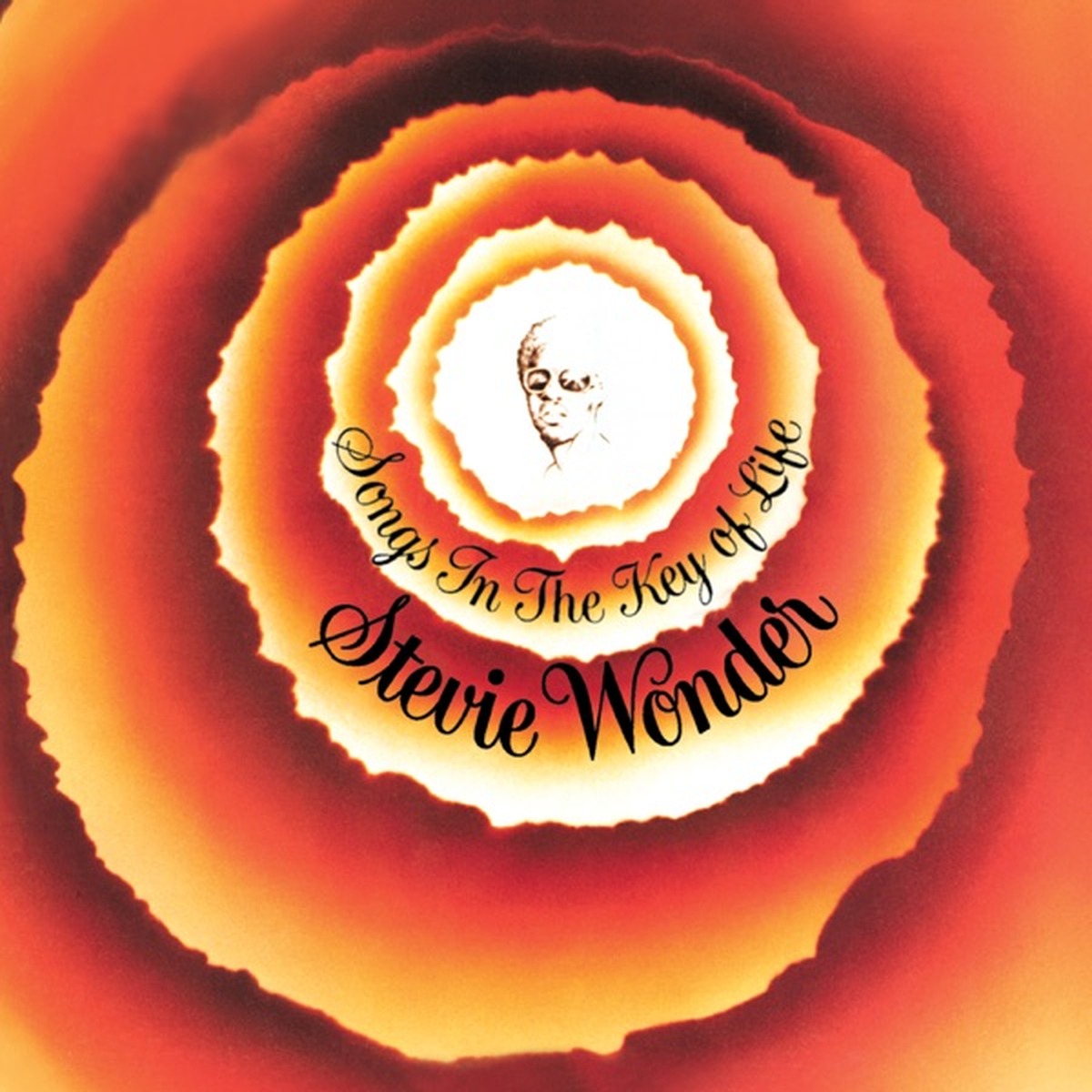
Songs in the Key of Life
September 28, 1976
R&B, soul, pop, progressive soul, soul jazz

Fulfillingness' First Finale
July 22, 1974
Progressive soul

Innervisions
August 03, 1973
Progressive soul, funk, soul, rock, jazz

Talking Book
October 27, 1972
Progressive soul, funk, soul, rock, jazz

Music of My Mind
March 03, 1972
Progressive soul

Where I'm Coming From
April 09, 1971
Soul, pop, funk

Signed, Sealed & Delivered
August 07, 1970
Soul

Live at the Talk of the Town
July 28, 1970
R&B

My Cherie Amour
August 29, 1969
Pop soul, R&B

For Once in My Life
December 06, 1968
Soul, jazz, pop

Eivets Rednow
November 20, 1968
Soul

I Was Made to Love Her
August 28, 1967
Soul

Down to Earth
November 16, 1966
Pop, R&B, soul

Up-Tight
May 04, 1966
Soul

Stevie at the Beach
June 23, 1964
Surf music, pop, R&B, soul

With a Song in My Heart
December 28, 1963
Soul, jazz

Recorded Live: The 12 Year Old Genius
May 21, 1963
Soul

The Jazz Soul of Little Stevie
September 12, 1962
Jazz, funk, soul
Musicians / Members connected to Stevie Wonder

FAQ about Stevie Wonder
What genre is Stevie Wonder?
Stevie Wonder is commonly associated with Soul, R&B, Pop, Funk.
Where is Stevie Wonder from?
Stevie Wonder is from Saginaw, Michigan, United States.
How many albums by Stevie Wonder are listed on musicOnOff?
musicOnOff currently lists 29 albums by Stevie Wonder.
