Sonic Youth
Overview
Sonic Youth was an influential American rock band formed in 1981. They emerged from the New York City art and music scene and quickly became known for their unconventional approach to rock music. Sonic Youth's innovative use of alternate guitar tunings and their blend of noise, dissonance, and feedback set them apart from their contemporaries, making them a key player in the post-punk and alternative rock movements. Throughout their career, they remained at the forefront of experimental and avant-garde music, constantly pushing the boundaries of rock and inspiring countless other musicians.
The band was best known for its unique sound that incorporated elements of noise rock, alternative rock, and indie rock, often challenging traditional musical structures with their experimental approach. This distinctive style, coupled with their association with the 1980s underground music scene in New York, helped them gain a devoted following and significant critical acclaim. Sonic Youth's artistic vision and commitment to innovation made them pioneers in the world of alternative music, leaving a lasting impact on the genre.
Sonic Youth consisted of core members Thurston Moore, Kim Gordon, and Lee Ranaldo, with Steve Shelley joining on drums in 1985. Over the years, they released numerous albums that showcased their ability to blend melody with noise, crafting a sound that was both chaotic and harmonious. The band's willingness to experiment with different sounds and styles was a hallmark of their career, setting them apart from the mainstream and securing their legacy as trailblazers in the alternative music scene.
Formation and Early Years
Sonic Youth was formed in New York City in 1981 by musicians Thurston Moore and Kim Gordon. The duo, both active in the New York art scene, were soon joined by guitarist Lee Ranaldo. The trio initially played together in various configurations before deciding to form a band. Influenced by the no wave movement and other experimental artists of the time, Sonic Youth sought to create music that was distinct from the mainstream rock of the era.
Their early music was characterized by the use of unconventional guitar tunings, extensive use of feedback, and a focus on texture and noise, which would become signature elements of their sound. They drew inspiration from a wide range of sources, including contemporary composers and avant-garde artists, reflecting their desire to push musical boundaries. This period was marked by the band's participation in the underground music scene in New York, where they played at various clubs and art spaces, gaining a reputation for their experimental performances.
Sonic Youth's early work laid the groundwork for their future success, as they continued to refine their sound and develop their unique musical identity. They released their debut self-titled EP in 1982, which was well received in the underground music community. Their subsequent albums, such as 'Confusion is Sex' and 'Bad Moon Rising,' further established their presence in the alternative music scene and hinted at the innovative potential that would come to define their career.
Career Highlights
Throughout their career, Sonic Youth achieved numerous milestones that cemented their status as influential figures in the world of alternative rock. One significant breakthrough came with the release of their 1988 album 'Daydream Nation,' considered one of the quintessential albums of the genre. The double LP was praised for its ambitious scope and artistic depth, and it was later included in the Library of Congress’s National Recording Registry for its cultural significance.
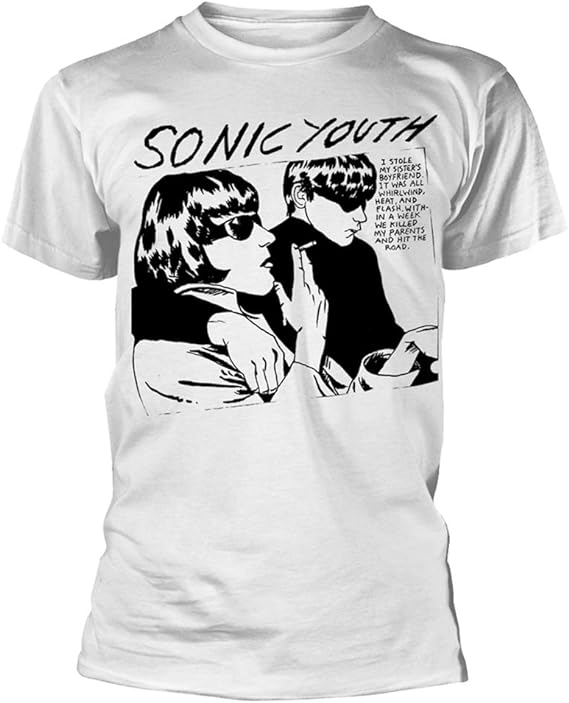
Another major highlight was their signing with Geffen Records in the early 1990s, which brought their music to a wider audience while maintaining their creative independence. Albums such as 'Goo' and 'Dirty' were released during this time, featuring more polished production while preserving their experimental edge. These records expanded Sonic Youth's fan base and solidified their position within the grunge and alternative rock movements of the 1990s.
Sonic Youth's influence extended beyond their own recordings; they played pivotal roles in introducing new bands, collaborating with other artists, and fostering a sense of community within the alternative music world. Their own festival, 'All Tomorrow's Parties,' and their support for up-and-coming bands through their label SYR demonstrated their commitment to nurturing new talent and expanding musical horizons.
Musical Style
Sonic Youth's musical style is renowned for its adventurous blend of noise rock, alternative rock, and indie rock. A defining feature of their sound is their innovative use of alternate guitar tunings, which they often employed to create a rich sonic palette full of dissonance and feedback. This approach allowed them to explore new harmonic territories, resulting in a distinctive style that set them apart from their contemporaries.
The band's music often juxtaposed melody with noise, seamlessly integrating elements of punk rock, experimental music, and no wave—a genre characterized by its harsh dissonance and abrasive textures. By embracing a DIY ethos and prioritizing artistic expression over commercial success, Sonic Youth became pioneers of the 1980s and 1990s alternative music landscape.
In addition to their stylistic innovations, Sonic Youth's lyrical themes frequently delved into issues of identity, cultural critique, and personal relationships. The band’s visual aesthetic was also an integral part of their artistic identity, with album artwork and music videos often reflecting the avant-garde sensibilities that characterized their music. This multifaceted artistic vision allowed Sonic Youth to create a cohesive body of work that resonated with audiences around the world.
Most Important Albums
One of Sonic Youth's most acclaimed albums is 'Daydream Nation,' released in 1988. This double album is widely considered a masterpiece of alternative rock and marked a significant point in the band’s career. Its ambitious scope and experimental sound solidified Sonic Youth's reputation as innovative musicians, and the album has since been regarded as a cultural landmark.
Another crucial album in their discography is 'Goo,' released in 1990. This record was the band's first release on a major label, Geffen Records, and showcased a more polished yet still experimental sound. 'Goo' produced several music videos and singles that brought Sonic Youth's music to a broader audience while maintaining their artistic edge.
'Dirty,' released in 1992, further expanded the band’s popularity during the grunge era, with its accessible yet still distinctive tracks. These albums, among others, continued to receive critical acclaim and demonstrate the band’s ability to evolve and adapt while staying true to their experimental roots.
Legacy and Influence
Sonic Youth’s influence on the music world is profound, impacting various genres from alternative rock to experimental music. Their willingness to push boundaries and experiment with sound has inspired numerous artists and bands across different musical landscapes. Recognized for their contribution to making underground music more accessible, Sonic Youth helped pave the way for the success of alternative rock in the mainstream music industry during the 1990s.
The band has been cited as an influence by countless musicians, including prominent figures in genres ranging from indie rock to noise music. Their innovative approach to guitar work, use of unconventional sounds, and exploration of complex themes have left a lasting legacy in the music world.
Beyond their own music, Sonic Youth played an active role in fostering a community of artists, supporting up-and-coming musicians, and collaborating with other avant-garde artists. Their dedication to the arts continues to be felt in the vibrant communities they helped nurture, demonstrating the significant cultural impact they made both through their own music and their broader support for the music scene.
Albums by Sonic Youth

The Eternal (album)
June 09, 2009
Indie rock, experimental rock

Rather Ripped
June 13, 2006
Alternative rock

Sonic Nurse
June 08, 2004
Alternative rock

Murray Street (album)
June 25, 2002
Rock
🛍 Shop Music


A Thousand Leaves
May 12, 1998
Experimental rock, post-rock, psychedelia
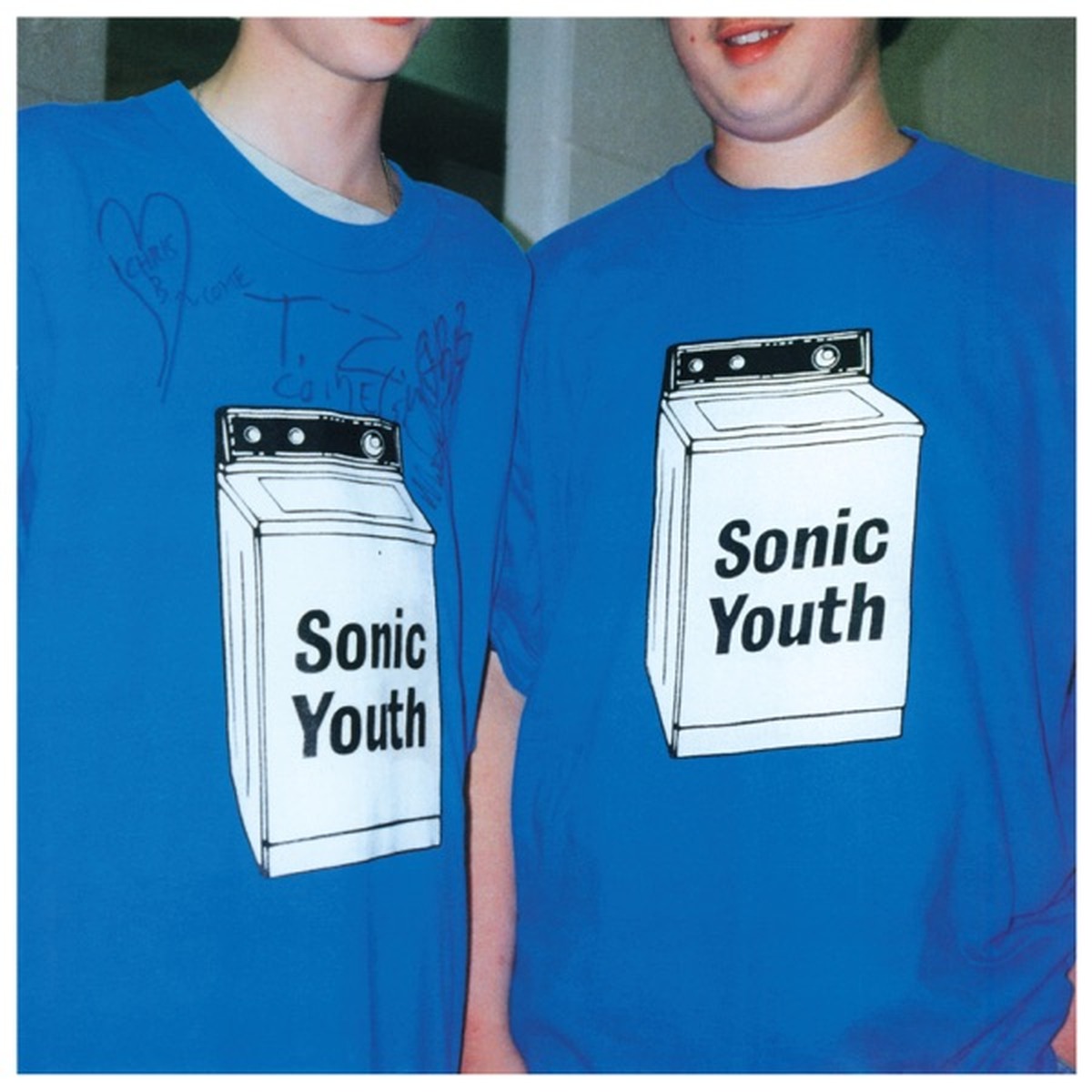
Washing Machine
September 26, 1995
Experimental rock, noise rock

Experimental Jet Set, Trash and No Star
May 10, 1994
Noise rock

Dirty (Sonic Youth album)
July 21, 1992
Noise rock, alternative rock, experimental rock, grunge

Goo (album)
June 26, 1990
Alternative rock, noise rock

Daydream Nation
October 18, 1988
Noise rock, indie rock, art punk, avant rock, art rock, post-punk

The Whitey Album
January 05, 1988
Experimental

Sister (Sonic Youth album)
June 01, 1987
Alternative rock, noise pop, noise rock, art rock, post-punk

Evol (Sonic Youth album)
May 08, 1986
Alternative rock, post-punk, noise rock

Bad Moon Rising
March 29, 1985
Noise rock, no wave, experimental rock

Sonic Death
January 02, 1984
Noise rock, alternative rock, experimental rock, indie rock, post-punk, no wave

Confusion Is Sex
December 13, 1983
Noise rock, no wave, avant-punk, lo-fi

Sonic Youth (EP)
March 08, 1982
Post-punk, no wave
Musicians / Members connected to Sonic Youth


FAQ about Sonic Youth
What genre is Sonic Youth?
Sonic Youth is commonly associated with Alternative rock, Noise rock, Indie rock, Experimental rock, Post-punk.
Where is Sonic Youth from?
Sonic Youth is from New York City, New York, USA.
How many albums by Sonic Youth are listed on musicOnOff?
musicOnOff currently lists 17 albums by Sonic Youth.
