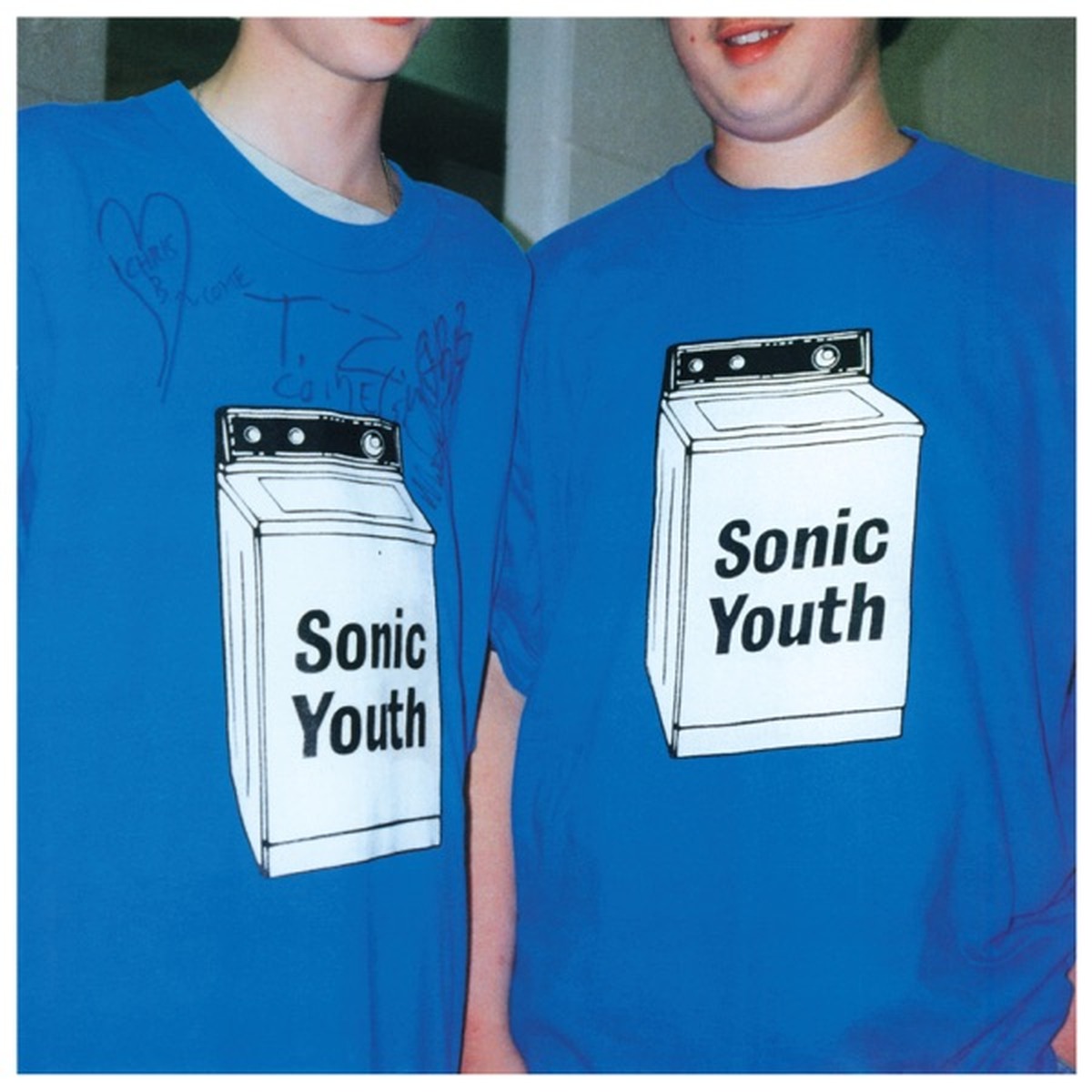
Washing Machine
by Sonic Youth
Released: September 26, 1995
Experimental rock, noise rock
Shop Sonic Youth
Amazon affiliate linksWhy This Album Matters
Producer-engineer John Siket gave a detailed first-hand account of finding the pedal, Moore buying it and its immediate use on the recording. Ranaldo independently identified the Ludwig Phase II as the effect heard at the song’s opening, and later described it as the sound of “The Diamond Sea.”
The Album
"Washing Machine" is the ninth studio album by Sonic Youth, released on September 26, 1995, via DGC Records. Washing Machine serves as a follow-up to Sonic Youth's 1994 album Experimental Jet Set, Trash and No Star. Following the release of Experimental Jet Set, the band took a hiatus from live performances, focusing on various side projects.
Inside the Recording
Recorded at Easley Studios in Memphis, Tennessee, the album was produced by the band alongside John Siket, who had worked with them on their previous two albums. The album was recorded at Easley Studios in Memphis, a locale known for its relaxed atmosphere, which helped the band disconnect from their usual surroundings. Moore noted that this recording process reminded him of their earlier work, akin to *Sister*, where they would write songs, record them in a concentrated time frame, and then perform them on tour, allowing the songs to evolve.
Interesting Facts
Notably, Washing Machine features longer, more open-ended compositions…
Notably, Washing Machine features longer, more open-ended compositions, including the 20-minute ballad "The Diamond Sea," which stands as the longest track in their discography.
Kim Gordon collaborated with Julia Cafritz in Free…
Kim Gordon collaborated with Julia Cafritz in Free Kitten, while drummer Steve Shelley played with Jad Fair in Mosquito.
Lee Ranaldo explored free jazz with drummer William…
Lee Ranaldo explored free jazz with drummer William Hooker, and Thurston Moore released his solo debut, Psychic Hearts.
During this period, Moore and Gordon welcomed their…
During this period, Moore and Gordon welcomed their daughter, Coco, which he described as bringing a new perspective to his life and music.
One of the standout tracks, "The Diamond Sea,"…
One of the standout tracks, "The Diamond Sea," stretches to an impressive 19 minutes and 35 seconds.
Essential Tracks
Becuz
The album features an unlisted ninth track called "Becuz Coda," which was originally part of "Becuz" but shortened for accessibility.
Washing Machine
"Washing Machine" is the ninth studio album by Sonic Youth, released on September 26, 1995, via DGC Records.
Little Trouble Girl
Singles from the album included "The Diamond Sea" and "Little Trouble Girl." Critics responded positively, commending the band for their adventurous spirit and the guitar work of Thurston Moore and Lee Ranaldo.
Becuz Coda
The album features an unlisted ninth track called "Becuz Coda," which was originally part of "Becuz" but shortened for accessibility.
The Diamond Sea
Notably, Washing Machine features longer, more open-ended compositions, including the 20-minute ballad "The Diamond Sea," which stands as the longest track in their discography.
Explore the Album
Sonic Youth - Washing Machine
Open in Albums Gallery
Reception
The album debuted shortly after Sonic Youth headlined the 1995 Lollapalooza festival, reaching No. 58 on the US Billboard 200 and No. 39 on the UK Albums Chart. Singles from the album included "The Diamond Sea" and "Little Trouble Girl." Critics responded positively, commending the band for their adventurous spirit and the guitar work of Thurston Moore and Lee Ranaldo. The album even ranked No. 18 in The Village Voice's 1995 Pazz & Jop critics' poll, solidifying its place in the band's legacy.
Legacy
The album even ranked No. 18 in The Village Voice's 1995 Pazz & Jop critics' poll, solidifying its place in the band's legacy.
The Complete Album Story
"Washing Machine" is the ninth studio album by Sonic Youth, released on September 26, 1995, via DGC Records. Recorded at Easley Studios in Memphis, Tennessee, the album was produced by the band alongside John Siket, who had worked with them on their previous two albums. Notably, Washing Machine features longer, more open-ended compositions, including the 20-minute ballad "The Diamond Sea," which stands as the longest track in their discography.
The album debuted shortly after Sonic Youth headlined the 1995 Lollapalooza festival, reaching No. 58 on the US Billboard 200 and No. 39 on the UK Albums Chart. Singles from the album included "The Diamond Sea" and "Little Trouble Girl." Critics responded positively, commending the band for their adventurous spirit and the guitar work of Thurston Moore and Lee Ranaldo. The album even ranked No. 18 in The Village Voice's 1995 Pazz & Jop critics' poll, solidifying its place in the band's legacy.
Washing Machine serves as a follow-up to Sonic Youth's 1994 album Experimental Jet Set, Trash and No Star. Following the release of Experimental Jet Set, the band took a hiatus from live performances, focusing on various side projects. Kim Gordon collaborated with Julia Cafritz in Free Kitten, while drummer Steve Shelley played with Jad Fair in Mosquito. Lee Ranaldo explored free jazz with drummer William Hooker, and Thurston Moore released his solo debut, Psychic Hearts. During this period, Moore and Gordon welcomed their daughter, Coco, which he described as bringing a new perspective to his life and music.
The album was recorded at Easley Studios in Memphis, a locale known for its relaxed atmosphere, which helped the band disconnect from their usual surroundings. Moore noted that this recording process reminded him of their earlier work, akin to *Sister*, where they would write songs, record them in a concentrated time frame, and then perform them on tour, allowing the songs to evolve.
One of the standout tracks, "The Diamond Sea," stretches to an impressive 19 minutes and 35 seconds. Moore explained that the band's diverse artistic aesthetics influence their song lengths, with some members preferring shorter, more concise pieces. The album features an unlisted ninth track called "Becuz Coda," which was originally part of "Becuz" but shortened for accessibility. The production involved both Sonic Youth and John Siket, with mixing completed at Greene Street Studios in New York City in June 1995. The relaxed yet focused recording environment in Memphis was credited by Gordon as a contributing factor to the album's quality, making it one of her favorites.
More Experimental rock Albums
 Public Image Ltd - This Is PiL
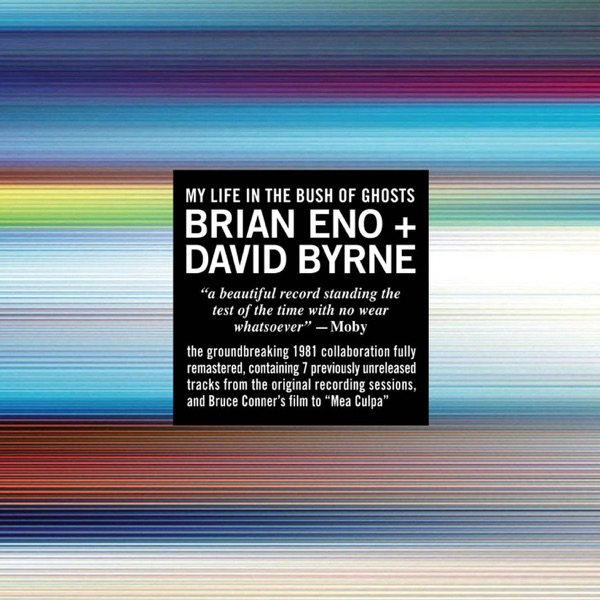 Brian Eno - My Life in the Bush of Ghosts
 Robert Plant - Lullaby and the Ceaseless Roar
 Deutsch Amerikanische Freundschaft - Ein Produkt der DAF
 Tom Waits - Bone Machine
 The Residents - Duck Stab/Buster & Glen
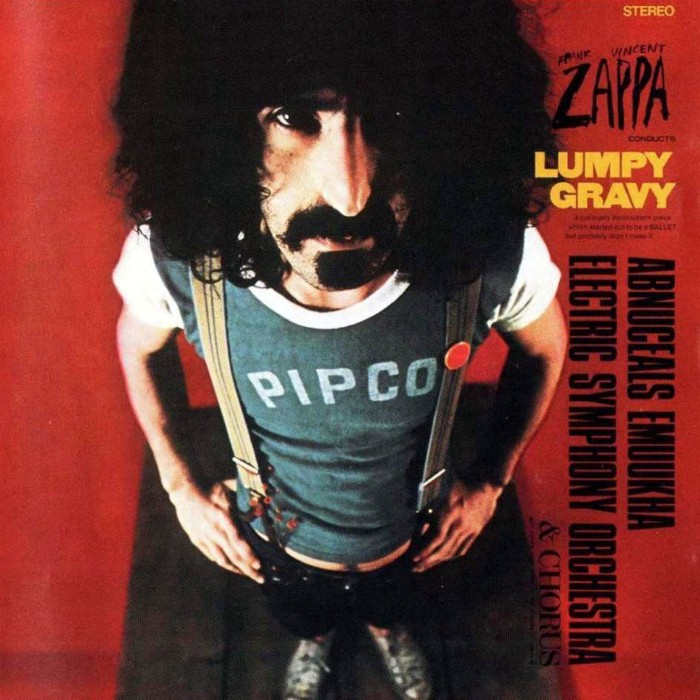 Frank Zappa - Lumpy Gravy
 Tom Waits - Swordfishtrombones
 Deerhunter - Fading Frontier
 Einstürzende Neubauten - Alles wieder offen
 The Velvet Underground - The Velvet Underground & Nico

Join the Conversation
Share your thoughts about this album.
Please log in to add a comment.
No comments yet. Be the first to comment.