Siouxsie And The Banshees
Overview
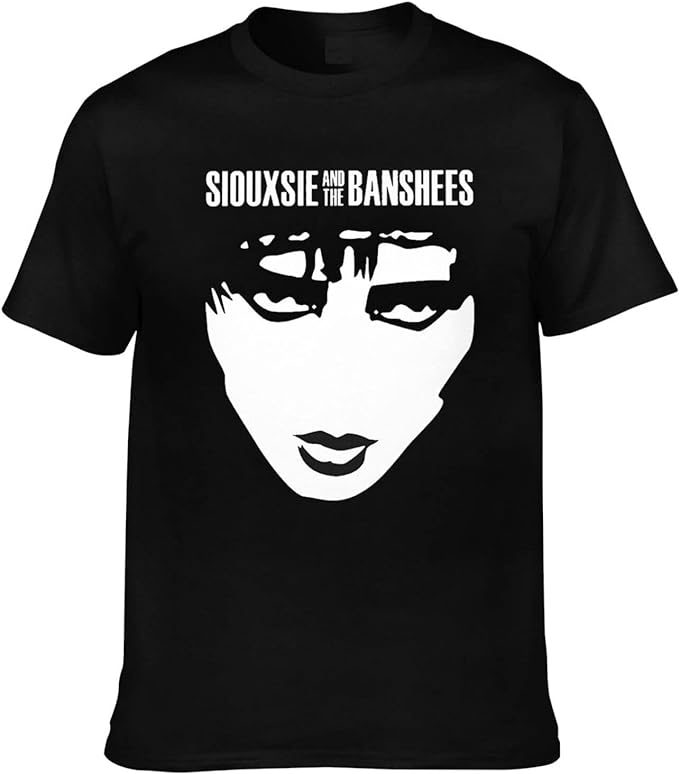
Siouxsie And The Banshees were an influential British rock band formed in the mid-1970s. Known for their unique blend of post-punk and gothic rock, the band became a major force in the alternative music scene. Siouxsie Sioux, the iconic frontwoman and namesake of the band, was known for her powerful stage presence and distinctive voice. Over their career, they released a series of critically acclaimed albums and were an important part of the early post-punk movement. The band achieved both commercial success and critical acclaim, influencing many artists in the process.
The Banshees started as part of the burgeoning punk scene in London and quickly distinguished themselves with their artistic approach to music and performance. Their early work was marked by sharp, gritty melodies and Siouxsie’s commanding vocal style. As their career progressed, they experimented with various genres and incorporated diverse musical elements into their work. This evolution allowed them to remain relevant and continue to garner a dedicated following throughout their tenure.
Siouxsie and the Banshees' contributions to music are vast. They are often credited with pioneering the post-punk genre and laying the groundwork for gothic rock. Their music explored themes of alienation, love, and darkness, wrapped in a unique sound that combined intricate guitar work with haunting melodies. The band experienced several lineup changes over the years but managed to retain a core sound that was consistently innovative and influential.
The band’s legacy is maintained both through their original recordings and through the new generations of musicians they’ve inspired. With a career spanning over two decades, the Banshees left an indelible mark on music history, earning their place as legends in the world of alternative rock.
Formation and Early Years
Siouxsie And The Banshees were formed in 1976 by Susan Ballion, known as Siouxsie Sioux, and Steven Severin in London, United Kingdom. The band emerged from the vibrant punk rock scene of the time, alongside contemporaries such as The Sex Pistols and The Clash. Siouxsie and Severin initially performed as part of the infamous 'Bromley Contingent', a group of young fans and followers of the Sex Pistols. Their first performance was at the 100 Club Punk Festival in 1976, which was a pivotal event that showcased the nascent punk scene.
The original lineup of the band was somewhat ad hoc, featuring Marco Pirroni on guitar, Sid Vicious on drums, along with Sioux and Severin. This initial performance was chaotic yet promising, leading Siouxsie and Severin to pursue a more formal group. After several lineup adjustments, including the recruitment of drummer Kenny Morris and guitarist John McKay, the band began to release music. Their first single, "Hong Kong Garden," became a breakthrough hit, signaling the band's arrival on the music scene.
In the early years, the band was characterized by a raw sound that reflected the turbulence and intensity of the punk movement. Songs were often fast-paced, with intense rhythms and sharp lyrics, capturing the frenzied energy of the era. However, it was evident that Siouxsie and the Banshees had artistic aspirations beyond the typical confines of punk rock. They quickly began to innovate and develop a more distinctive style, which would set them apart from their peers and establish them as leaders in the post-punk movement.
The Banshees' early work laid the foundation for their future success. The combination of Siouxsie's charismatic presence, Severin's bass-driven melodies, and a dedication to pushing musical boundaries ensured that the band would continue to evolve and grow in influence. They were not just another punk band; they were artists on a mission to rewrite the rules of rock music.
Career Highlights
Siouxsie And The Banshees had a career filled with significant milestones and achievements that made them a staple in the alternative music scene. One of their first major breakthroughs was the release of their debut album, 'The Scream', in 1978. The album was a commercial success and received critical acclaim for its innovative sound, combining elements of punk with dark, atmospheric melodies.
Following the success of their debut, the band continued to produce a string of successful albums throughout the late 1970s and 1980s, including 'Join Hands', 'Kaleidoscope', and 'Juju'. Each album saw the Banshees experimenting with new sounds and musical styles, incorporating influences from psychedelia, gothic rock, and even elements of pop. This versatility allowed them to remain at the forefront of the evolving music scene and maintain their artistic integrity.
The 1980s were a particularly fruitful period for the band. Their album 'A Kiss in the Dreamhouse' demonstrated a more sophisticated and complex approach to music, incorporating lush arrangements and a more polished production style. The single "Dear Prudence", a cover of a Beatles song, became one of their biggest hits, showcasing their ability to reinterpret and transform existing music into something uniquely their own.
Throughout their career, Siouxsie And The Banshees toured extensively, gaining an international fanbase and earning a reputation as outstanding live performers. Despite frequent changes in the band's lineup, Siouxsie and Severin remained the constant creative forces, driving the band's continued success. In the latter years, albums like 'Hyaena', 'Peepshow', and 'Superstition' further solidified their status as influential artists, showcasing their adaptability and commitment to artistic growth.
Musical Style
The musical style of Siouxsie And The Banshees is often categorized as post-punk and gothic rock, but their sound evolved significantly over the years. Early in their career, the band's music was heavily influenced by punk's raw intensity, featuring fast tempos and a confrontational edge. However, they quickly distinguished themselves from their punk contemporaries by incorporating a broader palette of sounds and influences.
The Banshees were known for their atmospheric and moody soundscapes, which often included intricate guitar work, courtesy of various talented guitarists who contributed to the band over the years. These soundscapes were characterized by haunting melodies and Siouxsie Sioux's distinctive and ethereal vocal style, which became a trademark of the band's music.
As the band progressed into the 1980s, their sound became more diverse and sophisticated. They began to experiment with different arrangements and production techniques, incorporating elements of psychedelia, post-punk, and pop. Their music was marked by a dark, almost otherworldly quality, which became a defining feature of the gothic rock genre. Songs like "Spellbound" and "Cities in Dust" showcased their ability to craft memorable hooks and compelling narratives within their music.
The diverse range of influences and styles present in Siouxsie And The Banshees' music allowed them to remain relevant in the rapidly changing music landscape. Whether through the exploration of new musical territories or the reinvention of their sound, the band consistently demonstrated a commitment to pushing creative boundaries and challenging the expectations of their listeners.
Most Important Albums
Throughout their prolific career, Siouxsie And The Banshees released several albums that are considered essential to understanding their legacy. One of the most significant of these is their debut album, 'The Scream', released in 1978. The album made a strong impression both musically and critically, with its innovative sound signaling the arrival of a fresh and powerful voice in the post-punk genre. 'The Scream' continues to be cited as a major influence on the alternative music scene.
Another pivotal album was 'Juju', released in 1981, which further defined the band's sound and secured their position as leaders of the gothic rock movement. The songs on 'Juju' are darker and more atmospheric, showcasing the band's growth and the solidification of their unique musical identity. Tracks like "Spellbound" and "Arabian Knights" became iconic, representing the band's ability to blend dark themes with catchy melodies.
'A Kiss in the Dreamhouse', released in 1982, marked a departure into more experimental and complex musical territory. The album was praised for its lush production and intricate arrangements, highlighting the band's continued evolution and willingness to take risks. This period was a creative high point for the Banshees, as they continued to challenge themselves and their audience.
Later albums, such as 'Peepshow' and 'Superstition', further demonstrated the band's versatility and enduring appeal. 'Peepshow' in particular featured a more polished sound and showcased the band's ability to evolve with the times without losing their core identity. Critical acclaim for these albums reinforced the Banshees' status as influential pioneers, whose work resonated with both fans and fellow musicians.
Legacy and Influence
The legacy of Siouxsie And The Banshees is significant and enduring, with wide-reaching impact on the music world. As pioneers of post-punk and gothic rock, they helped to shape the sound and aesthetic of these genres, inspiring countless musicians and bands that followed. Their innovative approach to music, characterized by a willingness to experiment and push boundaries, has left a lasting impression on artists across numerous genres.
Siouxsie Sioux, in particular, has been hailed as a trailblazing figure, both for her commanding presence as a performer and her contributions as a songwriter. She paved the way for female artists in the rock world, breaking down barriers and challenging conventional norms about what women could achieve in the music industry. Her influence is evident in the work of numerous contemporary artists who cite her as an inspiration.
The Banshees' music, with its intricate guitar work and atmospheric soundscapes, has directly influenced bands across the spectrum of rock and alternative music. Groups such as The Cure, Joy Division, and Bauhaus were contemporaries who shared mutual respect and admiration, often drawing inspiration from each other. Additionally, later bands like The Smashing Pumpkins, Arcade Fire, and LCD Soundsystem have acknowledged the impact that Siouxsie And The Banshees have had on their own music.
As time has passed, the cultural and musical significance of Siouxsie And The Banshees has only grown, with new generations of fans discovering their work and appreciating its timeless quality. They remain iconic figures in music history, celebrated for their bold creativity and unwavering commitment to artistic exploration. The band's enduring influence is a testament to their visionary approach and the indelible mark they have left on the world of music.
Albums by Siouxsie And The Banshees

The Rapture
January 16, 1995
Alternative rock, pop rock, art rock

Twice Upon a Time – The Singles
October 05, 1992
Post-punk, alternative rock

Superstition
June 10, 1991
Alternative rock, art pop

Peepshow
September 05, 1988
Alternative rock, folk rock
🛍 Shop Music

Through the Looking Glass
March 02, 1987
Alternative rock, art rock

Tinderbox
April 21, 1986
Alternative rock

Hyæna
June 08, 1984
Post-punk, neo psychedelia, art pop

Nocturne
November 25, 1983
Post-punk

A Kiss in the Dreamhouse
November 05, 1982
Post-punk, neo-psychedelia

Juju
June 19, 1981
Post-punk, gothic rock

Kaleidoscope
August 01, 1980
Post-punk, new wave, neo-psychedelia, electronic

Join Hands
September 07, 1979
Post-punk

The Scream
November 13, 1978
Post-punk
Musicians / Members connected to Siouxsie And The Banshees


FAQ about Siouxsie And The Banshees
What genre is Siouxsie And The Banshees?
Siouxsie And The Banshees is commonly associated with Post-punk, Gothic rock, Alternative rock.
Where is Siouxsie And The Banshees from?
Siouxsie And The Banshees is from London, England, United Kingdom.
How many albums by Siouxsie And The Banshees are listed on musicOnOff?
musicOnOff currently lists 13 albums by Siouxsie And The Banshees.
