
A Kiss in the Dreamhouse
by Siouxsie And The Banshees
Released: November 05, 1982
Post-punk, neo-psychedelia
Shop Siouxsie And The Banshees
Amazon affiliate linksWhy This Album Matters
This album matters because its strongest editorial story is: Experimental Album.
The Album
The record marked a change in musical direction for the group, incorporating strings for the first time and showcasing experimental studio techniques. A Kiss in the Dreamhouse featured an array of instruments, including recorders, chimes, and tubular bells, and was characterized as the band's "own form of neo-psychedelic rock." The personal dynamics during the album's recording were often challenging. "A Kiss in the Dreamhouse" is the fifth studio album by British rock band Siouxsie and the Banshees, released on 5 November 1982 by Polydor Records.
Inside the Recording
Engineer Mike Hedges, who focused on vocals, applied different effects to Siouxsie's voice and encouraged experimentation with sounds.
Interesting Facts
After the success of 1981's Juju, the band…
After the success of 1981's Juju, the band took a break from writing.
In the spring of 1982, they toured Scandinavia…
In the spring of 1982, they toured Scandinavia with three completed tracks: "Cascade," "Painted Bird," and "Green Fingers." Upon returning to the studio in July, they spent a week improvising, inspired by a tape-looped section of their orchestral single "Fireworks." Siouxsie was determined to avoid synthesizers, favoring real strings for their earthy sound.
A remastered 180g vinyl LP reissue was released…
A remastered 180g vinyl LP reissue was released in September 2018.
Guitarist John McGeoch contributed by playing additional instruments…
Guitarist John McGeoch contributed by playing additional instruments, including recorder and piano.
The album marked the Banshees' first real exploration…
The album marked the Banshees' first real exploration of studio possibilities.
Essential Tracks
Cascade
In the spring of 1982, they toured Scandinavia with three completed tracks: "Cascade," "Painted Bird," and "Green Fingers." Upon returning to the studio in July, they spent a week improvising, inspired by a tape-looped section of their orchestral single "Fireworks." Siouxsie was determined to avoid synthesizers, favoring real strings for their earthy sound.
Green Fingers
In the spring of 1982, they toured Scandinavia with three completed tracks: "Cascade," "Painted Bird," and "Green Fingers." Upon returning to the studio in July, they spent a week improvising, inspired by a tape-looped section of their orchestral single "Fireworks." Siouxsie was determined to avoid synthesizers, favoring real strings for their earthy sound.
Painted Bird
In the spring of 1982, they toured Scandinavia with three completed tracks: "Cascade," "Painted Bird," and "Green Fingers." Upon returning to the studio in July, they spent a week improvising, inspired by a tape-looped section of their orchestral single "Fireworks." Siouxsie was determined to avoid synthesizers, favoring real strings for their earthy sound.
Fireworks
In the spring of 1982, they toured Scandinavia with three completed tracks: "Cascade," "Painted Bird," and "Green Fingers." Upon returning to the studio in July, they spent a week improvising, inspired by a tape-looped section of their orchestral single "Fireworks." Siouxsie was determined to avoid synthesizers, favoring real strings for their earthy sound.
Explore the Album
Siouxsie And The Banshees - A Kiss in the Dreamhouse
Open in Albums Gallery
Reception
Julian Marszalek of The Quietus described the album as showcasing the Banshees as "one of the great British psychedelic bands." Both critically and commercially successful, A Kiss in the Dreamhouse peaked at No. 11 on the UK Albums Chart. The artwork drew inspiration from Gustav Klimt’s paintings, reflecting the richness of the music with colorful and gold designs.
The Complete Album Story
"A Kiss in the Dreamhouse" is the fifth studio album by British rock band Siouxsie and the Banshees, released on 5 November 1982 by Polydor Records. The record marked a change in musical direction for the group, incorporating strings for the first time and showcasing experimental studio techniques. Guitarist John McGeoch contributed by playing additional instruments, including recorder and piano. Julian Marszalek of The Quietus described the album as showcasing the Banshees as "one of the great British psychedelic bands."
Both critically and commercially successful, A Kiss in the Dreamhouse peaked at No. 11 on the UK Albums Chart. A remastered 180g vinyl LP reissue was released in September 2018.
After the success of 1981's Juju, the band took a break from writing. In the spring of 1982, they toured Scandinavia with three completed tracks: "Cascade," "Painted Bird," and "Green Fingers." Upon returning to the studio in July, they spent a week improvising, inspired by a tape-looped section of their orchestral single "Fireworks." Siouxsie was determined to avoid synthesizers, favoring real strings for their earthy sound.
The album marked the Banshees' first real exploration of studio possibilities. Engineer Mike Hedges, who focused on vocals, applied different effects to Siouxsie's voice and encouraged experimentation with sounds. A Kiss in the Dreamhouse featured an array of instruments, including recorders, chimes, and tubular bells, and was characterized as the band's "own form of neo-psychedelic rock."
The personal dynamics during the album's recording were often challenging. The band's recently dismissed manager and Siouxsie's former partner, Nils Stevenson, became obsessive due to her new relationship with Budgie. The long hours in the studio were fueled by substances, contributing to a complex environment that shaped the album's creation.
The title originated from Severin, who was inspired by a program about 1940s Hollywood prostitutes undergoing cosmetic surgery to resemble stars. The "Dreamhouse" referred to an actual Los Angeles brothel where clients could meet replicas of famous actresses. An inner sleeve quote about "Nellie the Elephant" alluded to the band’s former manager Stevenson, who was fired before the album's recording.
The artwork drew inspiration from Gustav Klimt’s paintings, reflecting the richness of the music with colorful and gold designs.
More Post-punk Albums
 Deutsch Amerikanische Freundschaft - Ein Produkt der DAF
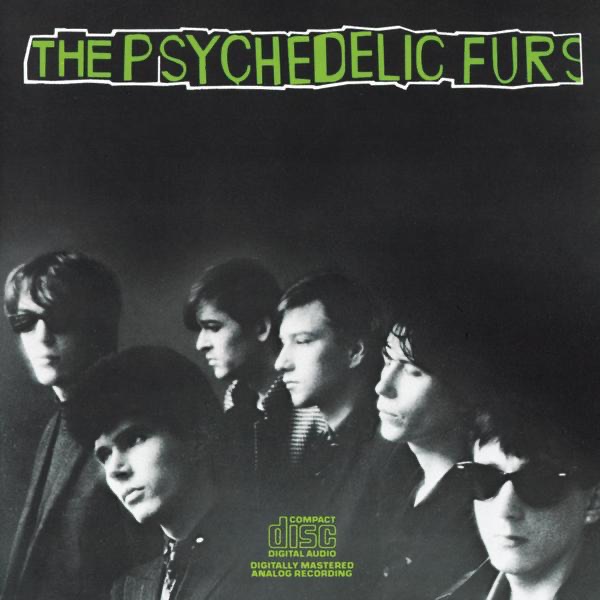 Psychedelic Furs - The Psychedelic Furs (album)
 Hazel O'Connor - Sons and Lovers
 Interpol - Interpol Remix
 Japan - Tin Drum
 Pere Ubu - Song of the Bailing Man
 Orange Juice - You Can't Hide Your Love Forever
 Joy Division - Substance (Joy Division album)
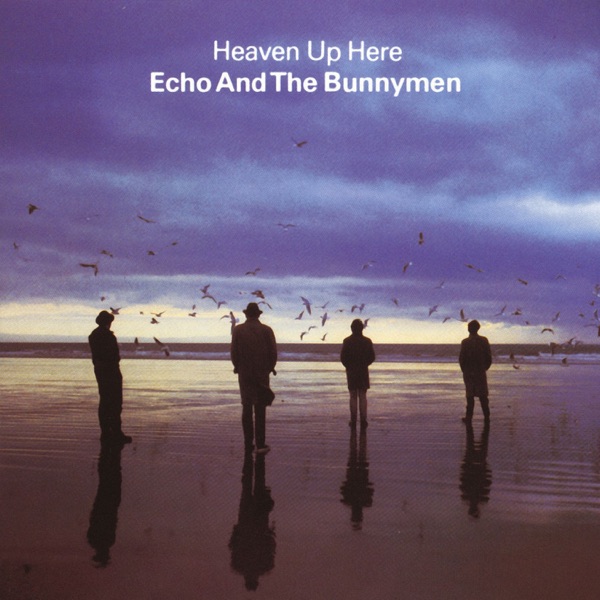 Echo & The Bunnymen - Heaven Up Here
 Interpol - A Fine Mess (EP)

Join the Conversation
Share your thoughts about this album.
Please log in to add a comment.
No comments yet. Be the first to comment.