Rush
Overview
Rush was a Canadian rock band known for its complex compositions, virtuosic musicianship, and eclectic lyrical motifs that ranged from science fiction and fantasy to philosophy and emotional reflection. The band consisted of bassist and vocalist Geddy Lee, guitarist Alex Lifeson, and drummer and primary lyricist Neil Peart. Over their 40-year career, Rush received critical acclaim for their musicianship and garnered a loyal fan base. They achieved a prominent place in rock music history thanks to their innovative sound and profound impact on progressive rock. The band members' skilled instrumentation, particularly Peart's drumming prowess, earned them recognition and respect among both fans and fellow musicians. Their music incorporates elements from various genres, including hard rock, progressive rock, and heavy metal, and they are celebrated for their elaborate and high-energy live performances.
Formation and Early Years
Rush was formed in 1968 in Toronto, Ontario, Canada. The original lineup included Geddy Lee on bass and vocals, Alex Lifeson on guitar, and John Rutsey on drums. They initially played the local club circuit and gained a modest following. In 1974, Neil Peart replaced Rutsey as the band's drummer, just two weeks before the start of Rush's first American tour. This change marked the beginning of their maturity as musical artists. Neil Peart was not only an accomplished drummer but also became the principal lyricist for the band. His literary and philosophical interests helped shape the thematic direction of Rush's music, moving it away from the straightforward rock and blues influences of their early work.
Career Highlights
Rush released 19 studio albums and numerous live albums throughout their career, selling over 40 million albums worldwide. Their breakout record, '2112' (1976), was a progressive rock epic that cemented their status as a serious force in rock music. This album, a concept piece dealing with themes of individualism and personal freedom, resonated with their audience and set a precedent for the band's future works. In 1981, Rush released 'Moving Pictures', which contained the hit singles 'Tom Sawyer' and 'Limelight'. The album showcased a blend of synthesizer usage and hard rock that appealed to mainstream and progressive rock fans alike. Rush's relentless touring and dedication to live performance allowed them to build a strong and dedicated global fan base. Their tours were famous for their elaborate stage designs and long setlists composed of fan favorites.
Musical Style
Rush's musical style evolved significantly over their career, transitioning from blues-inspired hard rock to progressive rock, and later incorporating elements of electronic and new wave music. The band's early work was influenced by the British blues-rock scene, with bands like Cream and Led Zeppelin. However, as they progressed, their music began to incorporate elements of classical music, jazz, and synthesizers, especially during their '80s albums. Geddy Lee's distinctive high-pitched singing and complex bass lines, Lifeson's innovative guitar work, and Peart's dynamic drumming style and literate lyrics were significant in defining Rush's unique sound. Peart's lyrics often explored themes such as philosophy, fantasy, and science fiction, appealing to a wide and diverse audience.
Most Important Albums
Rush's discography is significant not only in number but in the cultural impact and musical innovation demonstrated. '2112' remains a landmark album in progressive rock history, showcasing a seamless blend of narrative storytelling and musical complexity. 'Moving Pictures' is perhaps their most commercially successful and critically acclaimed album, with songs that have become staples of rock radio. 'Hemispheres' (1978) is another critical success, illustrating their ability to merge complex musical structures with accessible melodies. In the 1980s, 'Signals' (1982) was a pivotal record, marking their shift towards incorporating synthesizer-driven new wave influences while retaining their rock roots. These albums demonstrate the band's ability to adapt and transform their sound while maintaining their core musical identity.
Legacy and Influence
Rush's influence extends beyond their commercial success to their significant impact on other musicians and genres. They have inspired countless bands in the progressive rock, metal, and alternative rock scenes. The technical proficiency and compositional depth demonstrated in their music have influenced bands such as Dream Theater, Foo Fighters, and Metallica. Rush's approach to album-oriented rock and their thematic concept albums paved the way for future explorations in progressive and experimental music. They were inducted into the Rock and Roll Hall of Fame in 2013, recognizing their legacy and contribution to music history. Beyond their musical influence, the band is also known for their camaraderie and the integrity with which they managed their career, eschewing the typical rock star lifestyle for personal privacy and creative freedom. Rush's legacy endures as a testament to innovation, musicianship, and the power of music to inspire and transcend.
Albums by Rush

Clockwork Angels
June 08, 2012
Progressive rock, hard rock

Snakes & Arrows Live
April 15, 2008
Progressive rock, hard rock

Snakes & Arrows
May 01, 2007
Progressive rock, hard rock

Vapor Trails
May 14, 2002
Hard rock, heavy metal, Alternative rock
🛍 Shop Music
 Vinyl
Rush
Rush A Farewell To Kings Vinyl
Amazon ↗
Vinyl
Rush
Rush A Farewell To Kings Vinyl
Amazon ↗
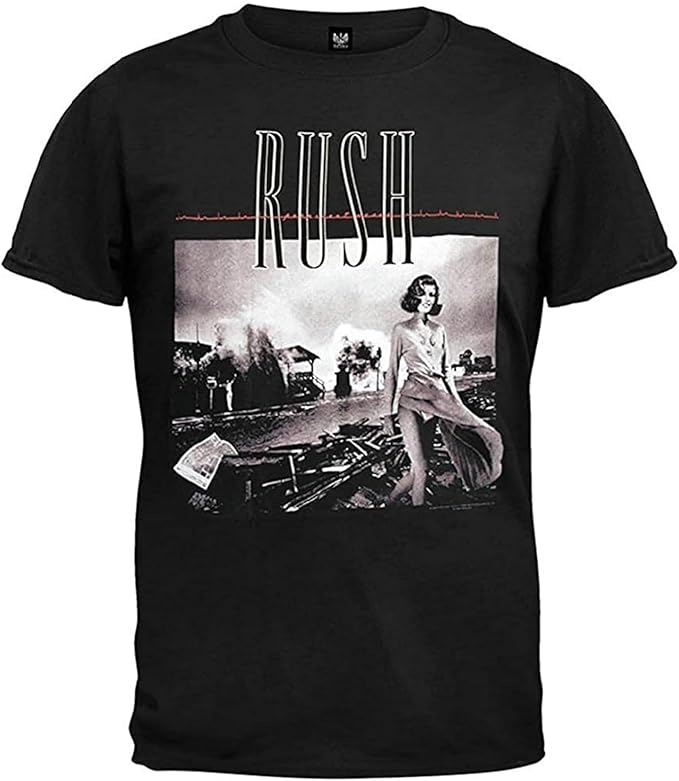 T-Shirt
Rush
Rush Permanent Waves T Shirt Mens Black
Amazon ↗
T-Shirt
Rush
Rush Permanent Waves T Shirt Mens Black
Amazon ↗
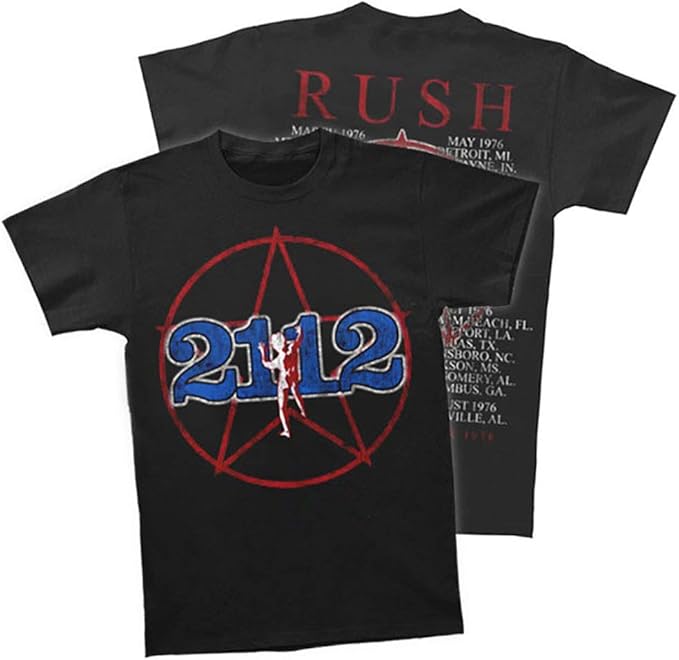 T-Shirt
Rush
Rush 2112 Tour 1976 T-Shirt
Amazon ↗
T-Shirt
Rush
Rush 2112 Tour 1976 T-Shirt
Amazon ↗
 T-Shirt
Rush
Rush A Farewell to Kings Retro Band T-Shirt Black
Amazon ↗
T-Shirt
Rush
Rush A Farewell to Kings Retro Band T-Shirt Black
Amazon ↗
 Hoodie
Rush
Rush Starman Logo Pull Over Hoodie Black | Officially Licensed Merchandise
Amazon ↗
Hoodie
Rush
Rush Starman Logo Pull Over Hoodie Black | Officially Licensed Merchandise
Amazon ↗
 T-Shirt
Rush
A Farewell to Kings
Amazon ↗
T-Shirt
Rush
A Farewell to Kings
Amazon ↗
 Merch
Rush
Rush Men's Starman Tour 1978 T-Shirt Navy | Officially Licensed Merchandise
Amazon ↗
Merch
Rush
Rush Men's Starman Tour 1978 T-Shirt Navy | Officially Licensed Merchandise
Amazon ↗

Different Stages
November 10, 1998
Progressive rock, hard rock
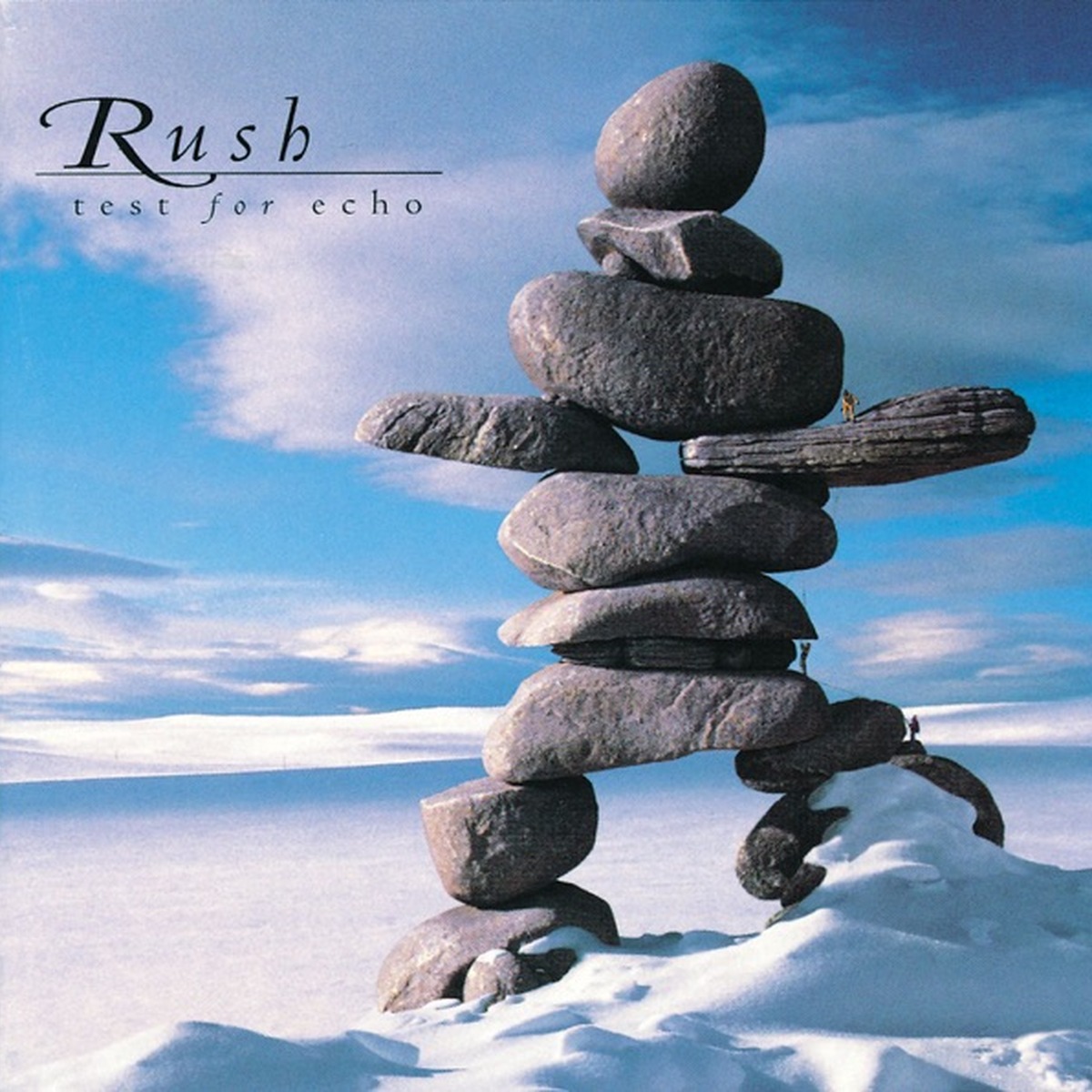
Test for Echo
September 10, 1996
Progressive rock, alternative rock, art rock

Counterparts
October 18, 1993
Hard rock, progressive rock, alternative rock

Roll the Bones
September 03, 1991
Pop rock, hard rock, funk rock

Presto
November 17, 1989
Pop rock, progressive rock, Britpop

Hold Your Fire
September 08, 1987
New wave, pop
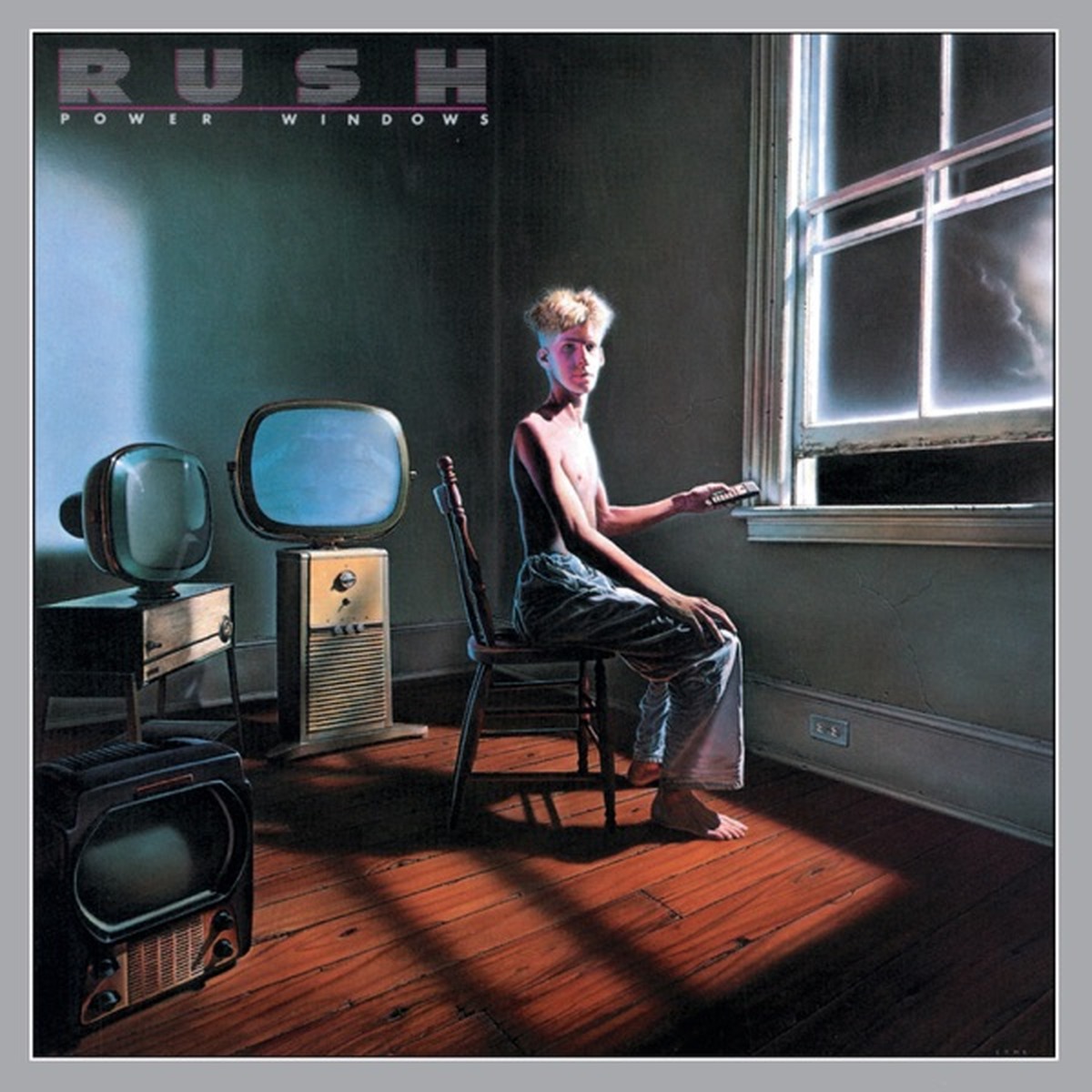
Power Windows
October 11, 1985
Art pop, new wave, progressive rock

Grace Under Pressure
April 12, 1984
Progressive rock, new wave

Signals
September 09, 1982
Synth-rock, progressive rock, new wave

Moving Pictures
February 12, 1981
Progressive rock

Permanent Waves
January 14, 1980
Progressive rock, new wave

Hemispheres
October 24, 1978
Progressive rock

A Farewell to Kings
August 29, 1977
Progressive rock

All the World's a Stage
September 29, 1976
Progressive rock, hard rock, heavy metal

2112
March 06, 1976
Progressive rock, progressive metal

Caress of Steel
September 24, 1975
Progressive rock, hard rock

Fly by Night
February 14, 1975
Hard rock, blues rock, progressive rock

Rush(Rush album)
March 18, 1974
Hard rock, progressive rock
Musicians / Members connected to Rush


FAQ about Rush
What genre is Rush?
Rush is commonly associated with Progressive rock, hard rock, heavy metal.
Where is Rush from?
Rush is from Toronto, Ontario, Canada.
How many albums by Rush are listed on musicOnOff?
musicOnOff currently lists 22 albums by Rush.
