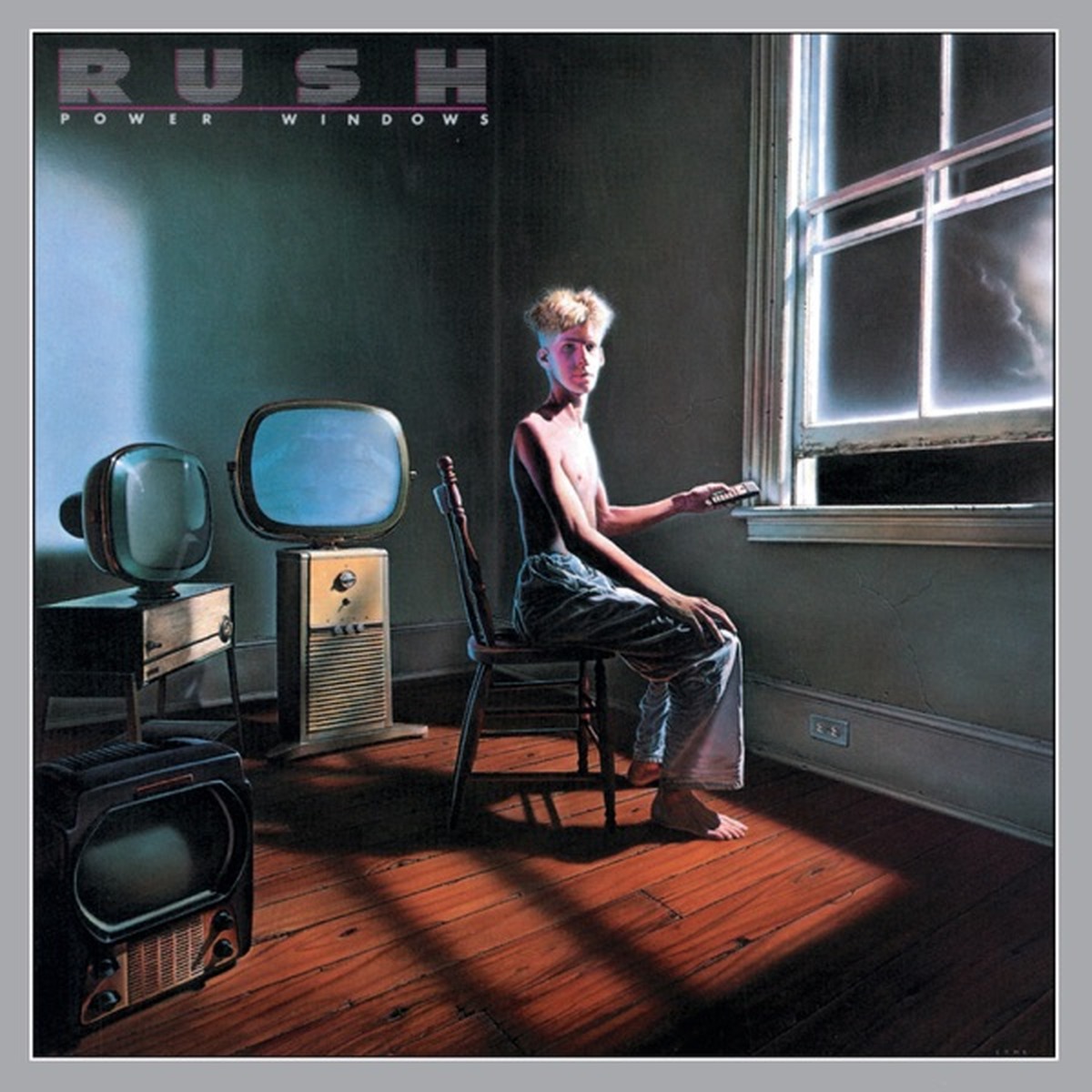
Power Windows
by Rush
Released: October 11, 1985
Art pop, new wave, progressive rock
Shop Rush
Amazon affiliate linksWhy This Album Matters
This album matters because its strongest editorial story is: Breakthrough.
The Album
"Power Windows" is the eleventh studio album by Canadian rock band Rush, released on October 11, 1985, in Canada and on October 21 in the United States. The band began writing and rehearsing at Elora Sound Studios in Ontario, where drummer Neil Peart wrote lyrics in a farmhouse while Lifeson and frontman Geddy Lee worked on music in an adjacent barn. The songwriting process involved Peart conducting research for tracks like "Manhattan Project" and experimenting with various lyrical ideas.
Inside the Recording
The band collaborated with producer Peter Collins and brought in keyboardist Andy Richards to enhance their sound. The recording process was noted for being more enjoyable than previous efforts, with an emphasis on spontaneity and creative exploration. The album features contributions from a 30-piece orchestra and a choir, which added depth to tracks like "Marathon." The final mixing and mastering took place in New York City, and the album cover art was created by Hugh Syme.
Interesting Facts
Recorded from April to August 1985, Power Windows…
Recorded from April to August 1985, Power Windows involved sessions at multiple studios, including The Manor in England and AIR Studios in Montserrat.
Overall, Power Windows represents a significant moment in…
Overall, Power Windows represents a significant moment in Rush's evolution, merging progressive rock with a more contemporary sound while addressing thought-provoking themes through their distinctive musical style.
They utilized recordings from their live performances and…
They utilized recordings from their live performances and worked through extensive jam sessions to refine the material.
The album showcases the band’s continued exploration of…
The album showcases the band’s continued exploration of synthesizer-driven music, incorporating electronic drums, sampling, and orchestral elements, while focusing on themes of power and individuality.
After touring for their previous album, Grace Under…
After touring for their previous album, Grace Under Pressure, Rush took a brief hiatus before reconvening in early 1985 to start work on Power Windows.
Essential Tracks
The Big Money
Notable tracks include "The Big Money," which discusses economic power and features innovative sampling; "Manhattan Project," which explores the historical significance of the atomic bomb; "Territories," critiquing nationalism with a unique drum arrangement; "Middletown Dreams," reflecting on the monotony of suburban life; "Marathon," which combines themes of endurance with musical complexity; and "Mystic Rhythms," representing the most synthesized track and emphasizing a blend of acoustic and electronic elements.
Manhattan Project
The songwriting process involved Peart conducting research for tracks like "Manhattan Project" and experimenting with various lyrical ideas.
Marathon
The album features contributions from a 30-piece orchestra and a choir, which added depth to tracks like "Marathon." The final mixing and mastering took place in New York City, and the album cover art was created by Hugh Syme.
Territories
Notable tracks include "The Big Money," which discusses economic power and features innovative sampling; "Manhattan Project," which explores the historical significance of the atomic bomb; "Territories," critiquing nationalism with a unique drum arrangement; "Middletown Dreams," reflecting on the monotony of suburban life; "Marathon," which combines themes of endurance with musical complexity; and "Mystic Rhythms," representing the most synthesized track and emphasizing a blend of acoustic and electronic elements.
Middletown Dreams
Notable tracks include "The Big Money," which discusses economic power and features innovative sampling; "Manhattan Project," which explores the historical significance of the atomic bomb; "Territories," critiquing nationalism with a unique drum arrangement; "Middletown Dreams," reflecting on the monotony of suburban life; "Marathon," which combines themes of endurance with musical complexity; and "Mystic Rhythms," representing the most synthesized track and emphasizing a blend of acoustic and electronic elements.
Explore the Album
Rush - Power Windows
Open in Albums Gallery
Reception
Power Windows achieved commercial success, reaching No. 2 in Canada, No. 9 in the UK, and No. 10 in the U.S., eventually earning platinum certification by the RIAA.
The Complete Album Story
"Power Windows" is the eleventh studio album by Canadian rock band Rush, released on October 11, 1985, in Canada and on October 21 in the United States. The album showcases the band’s continued exploration of synthesizer-driven music, incorporating electronic drums, sampling, and orchestral elements, while focusing on themes of power and individuality.
After touring for their previous album, Grace Under Pressure, Rush took a brief hiatus before reconvening in early 1985 to start work on Power Windows. Guitarist Alex Lifeson reflected on their intent to blend the strongest elements of their earlier works, resulting in a more cohesive sound. The band began writing and rehearsing at Elora Sound Studios in Ontario, where drummer Neil Peart wrote lyrics in a farmhouse while Lifeson and frontman Geddy Lee worked on music in an adjacent barn. The songwriting process involved Peart conducting research for tracks like "Manhattan Project" and experimenting with various lyrical ideas. They utilized recordings from their live performances and worked through extensive jam sessions to refine the material. The band also undertook a brief warm-up tour in Florida to prepare for recording.
Recorded from April to August 1985, Power Windows involved sessions at multiple studios, including The Manor in England and AIR Studios in Montserrat. The band collaborated with producer Peter Collins and brought in keyboardist Andy Richards to enhance their sound. The recording process was noted for being more enjoyable than previous efforts, with an emphasis on spontaneity and creative exploration. The album features contributions from a 30-piece orchestra and a choir, which added depth to tracks like "Marathon." The final mixing and mastering took place in New York City, and the album cover art was created by Hugh Syme.
The lyrics of Power Windows address various forms of power, including nationalism and suburban life. Notable tracks include "The Big Money," which discusses economic power and features innovative sampling; "Manhattan Project," which explores the historical significance of the atomic bomb; "Territories," critiquing nationalism with a unique drum arrangement; "Middletown Dreams," reflecting on the monotony of suburban life; "Marathon," which combines themes of endurance with musical complexity; and "Mystic Rhythms," representing the most synthesized track and emphasizing a blend of acoustic and electronic elements.
Power Windows achieved commercial success, reaching No. 2 in Canada, No. 9 in the UK, and No. 10 in the U.S., eventually earning platinum certification by the RIAA. The album was supported by two singles, "The Big Money" and "Mystic Rhythms," along with a subsequent tour. The cover art features work by Hugh Syme, showcasing a model and photos that reflect the album's themes. Overall, Power Windows represents a significant moment in Rush's evolution, merging progressive rock with a more contemporary sound while addressing thought-provoking themes through their distinctive musical style.
More Art pop Albums
 The The - Hanky Panky
 Slapp Happy - Slapp Happy (album)
 Björk - Debut (Björk album)
 TV on the Radio - Seeds
 Kate Bush - Director's Cut
 Laurel Halo - Dust
 Brian Eno - Here Come the Warm Jets
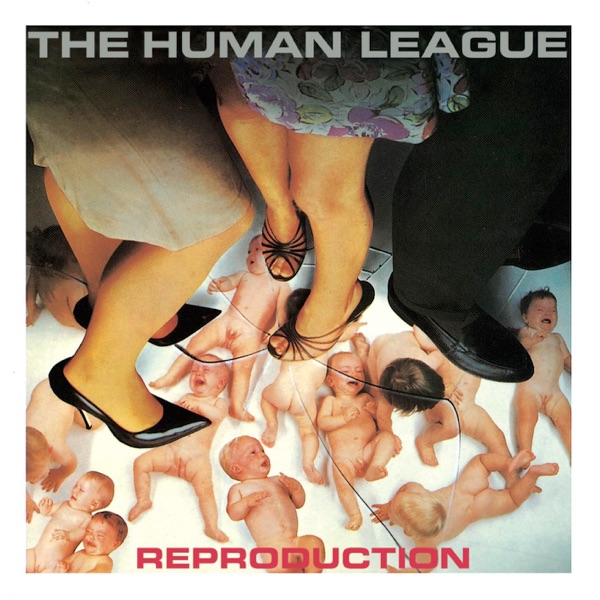 The Human League - Reproduction
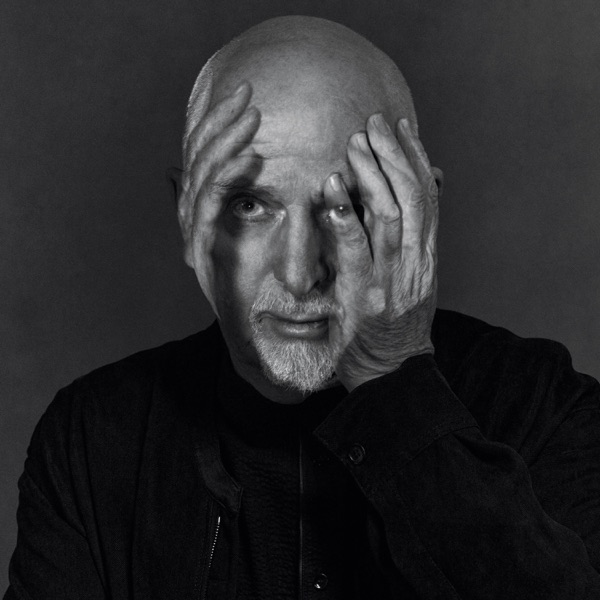 Peter Gabriel - I/O
 Peter Gabriel - Peter Gabriel (1982 album)

Join the Conversation
Share your thoughts about this album.
Please log in to add a comment.
No comments yet. Be the first to comment.