Rod Stewart
Overview
Roderick David 'Rod' Stewart, who is widely known as Rod Stewart, is a British rock and pop singer, songwriter, and music producer who has captivated audiences globally for over six decades. Born in London on January 10, 1945, he is recognized for his distinctive raspy voice that became one of the remarkable features of his performances, both on record and live stages. His career took off with several UK hit singles and has since spanned multiple generations, making him one of the best-selling music artists of all time. With over 250 million records sold worldwide, Stewart has left an indelible mark on the music industry with his versatile style and charisma.
Stewart's music journey started in the folk clubs of London, where he honed his craft before transitioning to rock and pop, styles where he would achieve significant success. His talent and determination led him to become a central figure in bands like The Jeff Beck Group and Faces before launching his solo career which would skyrocket him to international stardom. Throughout his career, he has released several chart-topping hits and has collaborated with legendary musicians, making a lasting impact on music culture. His ability to adapt to different musical eras while maintaining his unique sound has been pivotal to his enduring appeal.
In addition to his powerful voice and band performances, Stewart is also known for his charismatic stage presence. His live performances often feature a blend of his classic hits and new material, drawing audiences from multiple generations. Stewart's contributions to the music industry have been recognized by various awards, including Grammy Awards and induction into the Rock and Roll Hall of Fame, both as a solo artist and a member of Faces. Despite the passage of time, Stewart continues to perform and record, demonstrating his passion and love for music.
Formation and Early Years
Rod Stewart's early years were shaped significantly by his family and the vibrant culture of 1960s London. Born into a large family, Stewart was the youngest of five children. He grew up in Highgate and was introduced to music at an early age, with influences ranging from classic folk to the burgeoning rock scene of the time. His father, a Scottish master builder, was a major influence, supporting his love for music while encouraging him to pursue multiple interests, including sports.
Before stepping into the limelight, Stewart's journey began with humble beginnings. He started performing in local clubs around London, immersing himself in the mod subculture. His early musical endeavors involved playing harmonica and learning the craft of busking, which laid the foundation for his distinctive voice and style. In the mid-1960s, Stewart joined Jimmy Powell and the Five Dimensions as a harmonica player and vocalist, gaining valuable experience and honing his skills on stage.
The turning point in Stewart's early career came when he joined Long John Baldry's band, Steampacket, as a vocalist. This engagement introduced him to larger audiences and provided opportunities to collaborate with other talented musicians, which significantly elevated his profile. Following Steampacket's disbandment, he joined Shotgun Express and ventured into a solo career with his debut single 'Good Morning Little Schoolgirl,' although it did not chart.
Stewart's pivotal rise came when he was invited to join The Jeff Beck Group in 1967. His tenure with the band was noted for his dynamic performances and signature vocal style, which garnered critical acclaim and expanded his music repertoire. The Jeff Beck Group's heavy blues rock sound laid the groundwork for Stewart's musical evolution, and although the group disbanded after a short period, it propelled Stewart into pursuing a successful solo path.
Career Highlights
Rod Stewart's career highlights are marked by numerous chart-topping albums, successful world tours, and accolades that underscore his place among music's elite. He gained international fame as a solo artist with his 1971 album 'Every Picture Tells a Story,' which included the hit single 'Maggie May.' The album's success propelled Stewart to the forefront of rock stardom, with 'Maggie May' becoming a defining song of his career.
During the 1970s, Stewart enjoyed immense popularity with a string of successful albums and singles. His 1975 soft rock album 'Atlantic Crossing' signified a stylistic shift and was a commercial triumph. The album featured hits like 'Sailing,' which became an anthem and topped the charts in the UK for four weeks. Stewart's ability to produce hit songs in multiple genres, from rock to ballads and eventually disco-inspired tunes, exhibited his versatility as an artist.
In the 1980s and beyond, Stewart continued to explore different musical trends. His 1988 hit 'Forever Young' became a staple in his discography, speaking to themes of nostalgia and the passage of time. He also delved into the Great American Songbook series, where he reimagined classic standards, showcasing the breadth of his vocal capabilities and broad musical interest. This series achieved both commercial success and introduced his voice to an entirely new audience.
Aside from studio successes, Stewart's live performances have been noteworthy. Known for electrifying concerts and charismatic stage presence, he has held several world tours that have drawn massive crowds. Notable tours include the 2013 'Live the Life Tour' and the Las Vegas Residency, which captivated audiences with a mix of classic hits and new material. Stewart's career is also decorated with numerous awards, including a star on the Hollywood Walk of Fame, Grammy Awards, and being knighted in 2016 for his services to music and charity.
Musical Style
Rod Stewart's musical style is a melting pot of influences that span rock, pop, blues, soul, and even folk music, thus making him a versatile artist. His distinctive raspy voice is his signature characteristic, which has made his performances timeless and instantly recognizable. Early in his career, his involvement with the likes of The Jeff Beck Group showcased his blues and R&B influences, blending raw, powerful rock with soulful elements.
During the late 1960s and early 1970s, Stewart's style evolved to incorporate more folk and acoustic sounds. This is notably seen in his solo work on albums like 'Every Picture Tells a Story,' where he combined folk rock with narrative lyrical content, exemplifying a raw and heartfelt approach to songwriting. His storytelling ability, combined with a charismatic delivery, has been a consistent trait throughout his musical career.
As Stewart's career progressed, he ventured into different genres while maintaining his unique sound. The mid-1970s brought about a soft rock phase with the release of albums such as 'Atlantic Crossing.' This period saw a more polished and smoother sound that appealed to a broad audience while maintaining core elements of rock. In the 1980s, Stewart embraced contemporary pop-rock sounds and experimented with disco elements, which were highlighted in tracks like 'Do Ya Think I'm Sexy?' This genre adaptability allowed Stewart to remain relevant through changing musical trends.
In the later stages of his career, Rod Stewart also explored classic pop and jazz standards, particularly with the Great American Songbook series. This series not only showcased his affinity for different genres but also highlighted his ability to reinterpret and bring new life to timeless classics. The broad spectrum of Rod Stewart's musical style underscores his artistic evolution and ability to engage listeners across multiple musical landscapes.
Most Important Albums
Several albums stand out as pivotal in solidifying Rod Stewart's status as a music icon. Among them, 'Every Picture Tells a Story' (1971) is particularly noteworthy. This album not only catapulted Stewart to international fame but also exemplified his ability to combine rock and folk, leading to critical acclaim and commercial success. 'Maggie May,' the standout track, became an anthem and remains one of his most beloved songs.
'Atlantic Crossing' (1975) marked a significant shift toward a more mainstream rock and pop sound. The album demonstrated Stewart's ability to adapt and reinvent himself while still achieving remarkable success. It featured the single 'Sailing,' which is one of Stewart's most renowned ballads, resonating deeply with audiences worldwide. 'A Night on the Town' (1976) further cemented his position, delivering hits like 'Tonight's the Night (Gonna Be Alright)' and exhibiting his strong songwriting skills.
In the 1990s, 'Unplugged and Seated' (1993) was a well-received live album that tapped into the popularity of the MTV Unplugged series, offering a new take on his classic hits with acoustic arrangements. This album revitalized several of his earlier works, offering fans a fresh experience and demonstrating Stewart's ability to reinterpret his back catalog in innovative ways.
The Great American Songbook series began with the release of 'It Had to Be You: The Great American Songbook' in 2002. This collection saw Stewart step away from his rock roots to embrace jazz and standards, bringing a new audience to his music. The series was a commercial success, with Stewart receiving acclaim for his ability to faithfully interpret classic songs while integrating his signature vocal style. These albums are pivotal in showcasing Stewart's adaptability and enduring appeal as a performer.
Legacy and Influence
Rod Stewart's legacy in the music industry is both profound and far-reaching. He has become an enduring icon whose influence spans several generations and genres. As a member of the Rock and Roll Hall of Fame, both as a solo artist and as a member of Faces, he has achieved significant accolades that reflect his impact and contribution to music.
Stewart's raspy voice and dynamic style have set a benchmark for countless artists who followed in his footsteps, particularly in rock and pop genres. His ability to blend heartfelt storytelling with rock and pop music has influenced a diverse array of musicians, and his songs have been covered and reinterpreted by artists from various genres. Stewart's charisma and stage presence also set a standard for live performances, inspiring many to emulate his energetic and engaging style.
Beyond music, Rod Stewart's influence extends into cultural realms. His fashion sense and distinct style have made him a trendsetter, with his iconic hairstyles and sartorial choices being widely recognized. Stewart’s interaction with the media and his ability to maintain a public persona that resonates with broad audiences have made him a model for how celebrity can be effectively managed.
Rod Stewart's philanthropic efforts have also contributed to his legacy. He has engaged in numerous charitable causes, supporting various initiatives, and demonstrating a commitment to giving back. Stewart's knighthood in 2016 not only recognized his services to music but also acknowledged his charitable contributions. Overall, Stewart's enduring presence in the music world and his continued influence and ability to draw audiences worldwide underscore the lasting legacy he has built over his illustrious career.
Albums by Rod Stewart

The Tears of Hercules
November 12, 2021
Rock

Blood Red Roses
September 28, 2018
Rock

Another Country
October 23, 2015
Rock

Time
May 03, 2013
Rock
🛍 Shop Music
 Merch
Foo Fighters
Foo Fighters 'FF Logo'
Amazon ↗
Merch
Foo Fighters
Foo Fighters 'FF Logo'
Amazon ↗
 Vinyl
Madonna
Erotica - Madonna
Amazon ↗
Vinyl
Madonna
Erotica - Madonna
Amazon ↗
 CD
The Mamas & The Papas
The Mamas & The Papas
Amazon ↗
CD
The Mamas & The Papas
The Mamas & The Papas
Amazon ↗
 T-Shirt
Womens Retro Distressed
Womens Retro Distressed Bolt Lightning Graphic Design V-Neck T-Shirt
Amazon ↗
T-Shirt
Womens Retro Distressed
Womens Retro Distressed Bolt Lightning Graphic Design V-Neck T-Shirt
Amazon ↗
 Hoodie
Nine Inch Nails
Nine Inch Nails Downward Spiral Pullover Hoodie
Amazon ↗
Hoodie
Nine Inch Nails
Nine Inch Nails Downward Spiral Pullover Hoodie
Amazon ↗
 T-Shirt
INTO THE AM Graphic Tshirts for Men S
INTO THE AM Graphic Tshirts for Men S - 4XL Cool Edgy Trippy Design Casual Tees Streetwear Skeleton Skull
Amazon ↗
T-Shirt
INTO THE AM Graphic Tshirts for Men S
INTO THE AM Graphic Tshirts for Men S - 4XL Cool Edgy Trippy Design Casual Tees Streetwear Skeleton Skull
Amazon ↗
 Merch
Bob Dylan
Bob Dylan Socks Guitar Pattern Logo
Amazon ↗
Merch
Bob Dylan
Bob Dylan Socks Guitar Pattern Logo
Amazon ↗
 T-Shirt
Rush
Rush 2112 Tour 1976 T-Shirt
Amazon ↗
T-Shirt
Rush
Rush 2112 Tour 1976 T-Shirt
Amazon ↗
 T-Shirt
Rainbow
Rainbow - Rising T-Shirt
Amazon ↗
T-Shirt
Rainbow
Rainbow - Rising T-Shirt
Amazon ↗
 Vinyl
Boyz II Men
Boyz II Men — II
Amazon ↗
Vinyl
Boyz II Men
Boyz II Men — II
Amazon ↗
 T-Shirt
The Doors
The Doors Men's Simple Logo T-Shirt
Amazon ↗
T-Shirt
The Doors
The Doors Men's Simple Logo T-Shirt
Amazon ↗
 T-Shirt
Siouxsie And The Banshees
Siouxsie and The Banshees T-Shirt Man Women Casual Round Neck
Amazon ↗
T-Shirt
Siouxsie And The Banshees
Siouxsie and The Banshees T-Shirt Man Women Casual Round Neck
Amazon ↗
 T-Shirt
Iggy Pop
Iggy Pop - Mens Stooges Group Shot T-Shirt
Amazon ↗
T-Shirt
Iggy Pop
Iggy Pop - Mens Stooges Group Shot T-Shirt
Amazon ↗
 T-Shirt
Retro Drumsticks Drummer
Retro Drumsticks Drummer Gifts Drums T-Shirt
Amazon ↗
T-Shirt
Retro Drumsticks Drummer
Retro Drumsticks Drummer Gifts Drums T-Shirt
Amazon ↗
 T-Shirt
The Cure
The Cure - Cures Graphic Art Musician T-Shirt
Amazon ↗
T-Shirt
The Cure
The Cure - Cures Graphic Art Musician T-Shirt
Amazon ↗
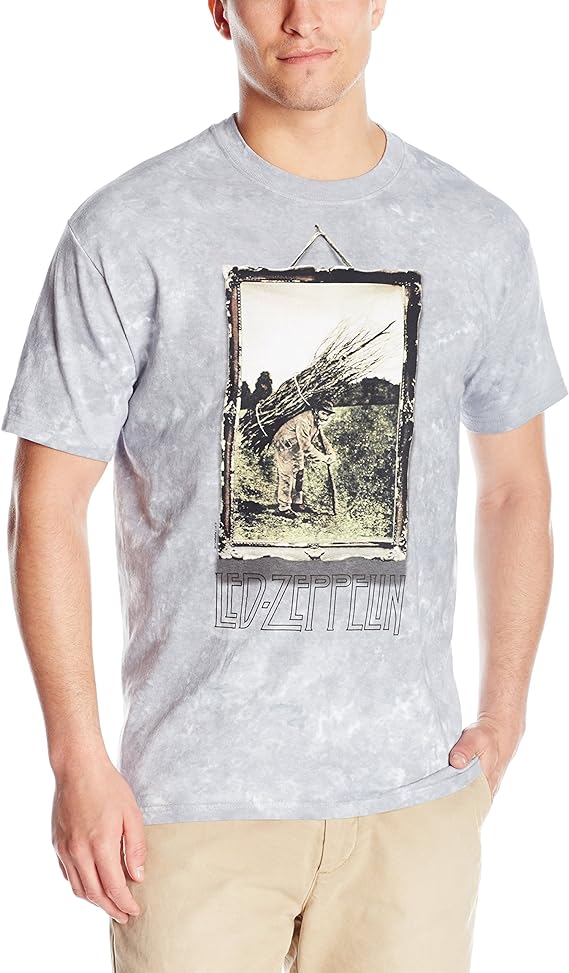 T-Shirt
Led Zeppelin
Liquid Blue Men's Led Zeppelin Man With Sticks Short Sleeve T-Shirt
Amazon ↗
T-Shirt
Led Zeppelin
Liquid Blue Men's Led Zeppelin Man With Sticks Short Sleeve T-Shirt
Amazon ↗
 CD
Lenny Kravitz
Black And White America CD
Amazon ↗
CD
Lenny Kravitz
Black And White America CD
Amazon ↗
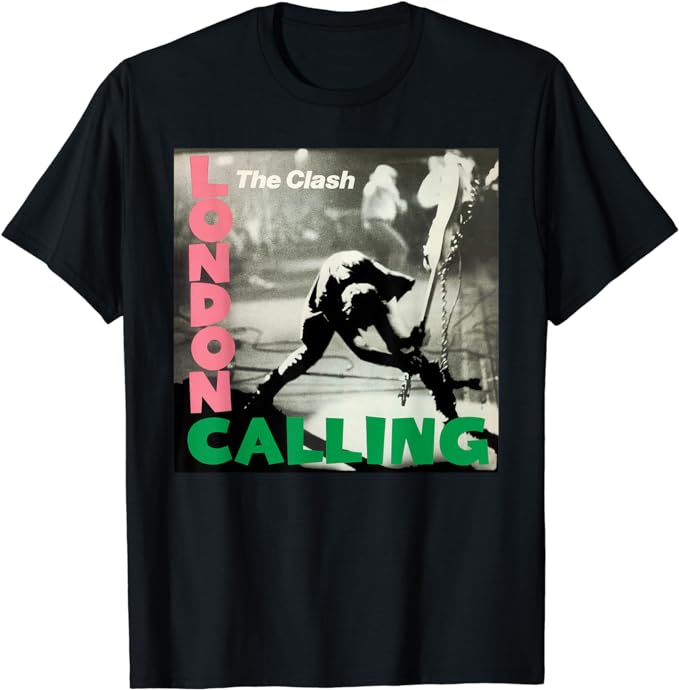 T-Shirt
The Clash
The Clash - London Calling T-Shirt
Amazon ↗
T-Shirt
The Clash
The Clash - London Calling T-Shirt
Amazon ↗
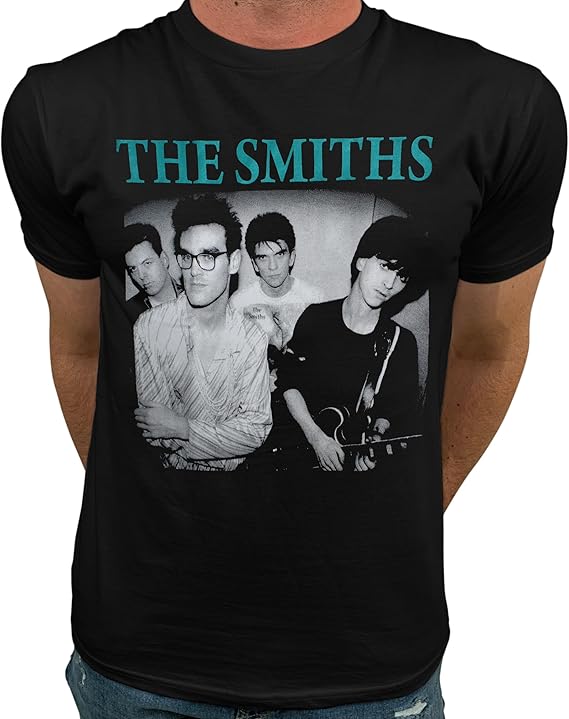 T-Shirt
The Smiths
The Smiths Band T-Shirt
Amazon ↗
T-Shirt
The Smiths
The Smiths Band T-Shirt
Amazon ↗
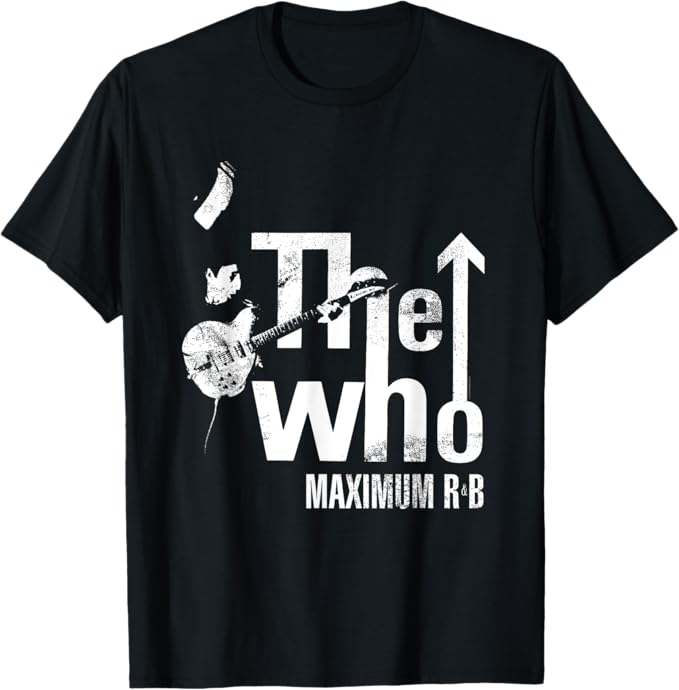 T-Shirt
The Who
The Who Official Maximum R&B Tour T-Shirt
Amazon ↗
T-Shirt
The Who
The Who Official Maximum R&B Tour T-Shirt
Amazon ↗
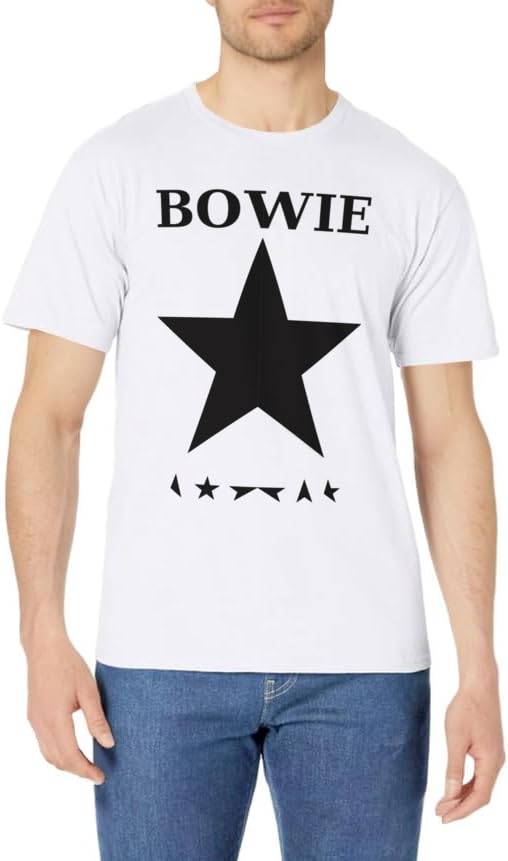 T-Shirt
David Bowie
David Bowie - Blackstar T-Shirt
Amazon ↗
T-Shirt
David Bowie
David Bowie - Blackstar T-Shirt
Amazon ↗
 Merch
Oasis
Oasis Decca Logo Definitely Maybe Reversible Ex-Tour Bucket Hat Black
Amazon ↗
Merch
Oasis
Oasis Decca Logo Definitely Maybe Reversible Ex-Tour Bucket Hat Black
Amazon ↗
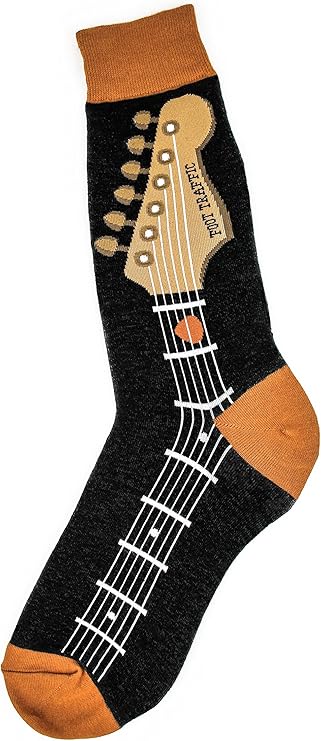 Merch
Foot Traffic Men's
Foot Traffic Men's Music-Themed Socks, Guitar Neck
Amazon ↗
Merch
Foot Traffic Men's
Foot Traffic Men's Music-Themed Socks, Guitar Neck
Amazon ↗
 T-Shirt
Simon Simple Simon
Simon Simple Simon Distressed T-Shirt
Amazon ↗
T-Shirt
Simon Simple Simon
Simon Simple Simon Distressed T-Shirt
Amazon ↗
 T-Shirt
Love Zeppelin Proud
Love Zeppelin Proud Name Personalized Lovers Apparel Airship T-Shirt
Amazon ↗
T-Shirt
Love Zeppelin Proud
Love Zeppelin Proud Name Personalized Lovers Apparel Airship T-Shirt
Amazon ↗
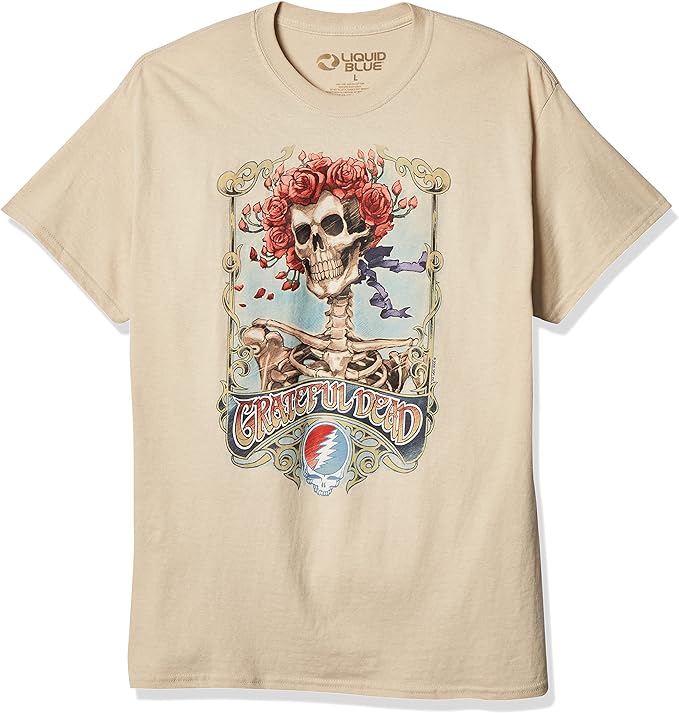 T-Shirt
Grateful Dead
Grateful Dead T-Shirt
Amazon ↗
T-Shirt
Grateful Dead
Grateful Dead T-Shirt
Amazon ↗
 T-Shirt
Fleetwood Mac
Fleetwood Mac T Shirt Penguins Official Unisex
Amazon ↗
T-Shirt
Fleetwood Mac
Fleetwood Mac T Shirt Penguins Official Unisex
Amazon ↗
 T-Shirt
U2
U2 'Rattle & Hum' Black Short Sleeve T-Shirt, Official, Unisex, Cotton, Pull On, Casual
Amazon ↗
T-Shirt
U2
U2 'Rattle & Hum' Black Short Sleeve T-Shirt, Official, Unisex, Cotton, Pull On, Casual
Amazon ↗
 T-Shirt
Bob Marley
Bob Marley Catch A Fire Guitar Tee T-Shirt
Amazon ↗
T-Shirt
Bob Marley
Bob Marley Catch A Fire Guitar Tee T-Shirt
Amazon ↗
 T-Shirt
Cool Retro No
Cool Retro No Sleep Til Brooklyn, Old School Portable Stereo T-Shirt
Amazon ↗
T-Shirt
Cool Retro No
Cool Retro No Sleep Til Brooklyn, Old School Portable Stereo T-Shirt
Amazon ↗
 Hoodie
The Libertines
The Libertines Red Logo Sweatshirt
Amazon ↗
Hoodie
The Libertines
The Libertines Red Logo Sweatshirt
Amazon ↗
 T-Shirt
Little Feat
Little Feat T-Shirt
Amazon ↗
T-Shirt
Little Feat
Little Feat T-Shirt
Amazon ↗
 T-Shirt
Queen
QUEEN T Shirts for Women
Amazon ↗
T-Shirt
Queen
QUEEN T Shirts for Women
Amazon ↗
 T-Shirt
Boston
Boston Band Tshirt Poster Shirt Spaceship Rock Band T Shirts for Men Black
Amazon ↗
T-Shirt
Boston
Boston Band Tshirt Poster Shirt Spaceship Rock Band T Shirts for Men Black
Amazon ↗
 T-Shirt
Iron Maiden
Iron Maiden - The Trooper T-Shirt
Amazon ↗
T-Shirt
Iron Maiden
Iron Maiden - The Trooper T-Shirt
Amazon ↗
 T-Shirt
Blondie
Blondie Men's Staredown Slim Fit T-Shirt Medium White
Amazon ↗
T-Shirt
Blondie
Blondie Men's Staredown Slim Fit T-Shirt Medium White
Amazon ↗
 T-Shirt
Sinead O'Connor
Sinead O'Connor Cover T Shirt Rememberings Vinyl Album About Nothing Shirt for Men
Amazon ↗
T-Shirt
Sinead O'Connor
Sinead O'Connor Cover T Shirt Rememberings Vinyl Album About Nothing Shirt for Men
Amazon ↗
 T-Shirt
Uriah Heep
Uriah Heep - Outsider T-Shirt
Amazon ↗
T-Shirt
Uriah Heep
Uriah Heep - Outsider T-Shirt
Amazon ↗
 T-Shirt
Sonic Youth
Sonic Youth 'Washing Machine' T-Shirt
Amazon ↗
T-Shirt
Sonic Youth
Sonic Youth 'Washing Machine' T-Shirt
Amazon ↗
 T-Shirt
AC/DC
AC DC Rock & Roll Tank Tops for Women Rock Music
Amazon ↗
T-Shirt
AC/DC
AC DC Rock & Roll Tank Tops for Women Rock Music
Amazon ↗
 T-Shirt
"Stayin' Alive" Vintage
"Stayin' Alive" Vintage 1970s classic Distressed T-Shirt
Amazon ↗
T-Shirt
"Stayin' Alive" Vintage
"Stayin' Alive" Vintage 1970s classic Distressed T-Shirt
Amazon ↗
 T-Shirt
The B-52s
The B-52s - Album Cover T-Shirt
Amazon ↗
T-Shirt
The B-52s
The B-52s - Album Cover T-Shirt
Amazon ↗
 T-Shirt
Blur
Blur Leisure Blur Shadow T-Shirt
Amazon ↗
T-Shirt
Blur
Blur Leisure Blur Shadow T-Shirt
Amazon ↗
 T-Shirt
Radiohead
Radiohead A Moon Shaped Pool T-Shirt
Amazon ↗
T-Shirt
Radiohead
Radiohead A Moon Shaped Pool T-Shirt
Amazon ↗
 T-Shirt
Sex Pistols
Sex Pistols Official Japan Tour Front Logo T-Shirt
Amazon ↗
T-Shirt
Sex Pistols
Sex Pistols Official Japan Tour Front Logo T-Shirt
Amazon ↗
 T-Shirt
Mellon Collie and
Mellon Collie and the Infinite Sadness T-Shirt
Amazon ↗
T-Shirt
Mellon Collie and
Mellon Collie and the Infinite Sadness T-Shirt
Amazon ↗
 T-Shirt
Pink Floyd
Pink Floyd Dark Side of The Moon Album Rock Music, T Shirt & Stickers Black
Amazon ↗
T-Shirt
Pink Floyd
Pink Floyd Dark Side of The Moon Album Rock Music, T Shirt & Stickers Black
Amazon ↗
 T-Shirt
Genesis
GENESIS TRICK OF THE TAIL T-Shirt
Amazon ↗
T-Shirt
Genesis
GENESIS TRICK OF THE TAIL T-Shirt
Amazon ↗
 T-Shirt
Alice In Chains
Alice in Chains T Shirt Self Titled Album
Amazon ↗
T-Shirt
Alice In Chains
Alice in Chains T Shirt Self Titled Album
Amazon ↗
 T-Shirt
Jimi Hendrix
Jimi Hendrix 1960's Psychedelic Musical Icon USA Flag Distressed T-Shirt Tee
Amazon ↗
T-Shirt
Jimi Hendrix
Jimi Hendrix 1960's Psychedelic Musical Icon USA Flag Distressed T-Shirt Tee
Amazon ↗

Merry Christmas, Baby
October 30, 2012
Christmas, soul, jazz

Fly Me to the Moon... The Great American Songbook Volume V
October 19, 2010
Jazz, traditional pop

Soulbook
October 17, 2009
Soul

Still the Same... Great Rock Classics of Our Time
October 10, 2006
Rock

Thanks for the Memory: The Great American Songbook, Volume IV
October 18, 2005
Traditional pop, jazz

Stardust: The Great American Songbook, Volume III
October 19, 2004
Traditional pop

As Time Goes By: The Great American Songbook, Volume II
October 14, 2003
Traditional pop

It Had to Be You: The Great American Songbook
October 22, 2002
Traditional pop

Human
March 12, 2001
Rock, pop rock

When We Were the New Boys
May 25, 1998
Rock, pop rock

A Spanner in the Works
May 29, 1995
Rock, pop rock

Vagabond Heart
March 25, 1991
Rock, pop rock

The Best of Rod Stewart (1989 album)
November 27, 1989
Rock, soft rock, pop rock

Out of Order (Rod Stewart album)
May 23, 1988
Pop rock

Every Beat of My Heart
June 23, 1986
Rock, pop rock

Camouflage (Rod Stewart album)
June 08, 1984
Rock

Body Wishes
June 10, 1983
Rock, pop rock

Absolutely Live (Rod Stewart album)
November 03, 1982
Rock, pop, folk rock

Tonight I'm Yours
November 06, 1981
Soft rock, pop rock, new wave

Foolish Behaviour
November 21, 1980
Rock, pop rock

Blondes Have More Fun
November 24, 1978
Rock, rock and roll, disco

Foot Loose & Fancy Free
November 04, 1977
Rock

A Night on the Town (Rod Stewart album)
June 18, 1976
Rock

Atlantic Crossing
August 15, 1975
Pop rock

Smiler
September 27, 1974
Rock, British folk rock

Sing It Again Rod
August 10, 1973
Rock, pop, folk rock, blue-eyed soul

Never a Dull Moment (Rod Stewart album)
July 21, 1972
Rock and roll, blue-eyed soul, folk rock

Every Picture Tells a Story
May 28, 1971
Roots rock

Gasoline Alley (album)
June 12, 1970
Rock and roll, roots rock

An Old Raincoat Won't Ever Let You Down
November 14, 1969
British folk rock
Musicians / Members connected to Rod Stewart

FAQ about Rod Stewart
What genre is Rod Stewart?
Rod Stewart is commonly associated with Rock, Pop, Soft Rock, Blues, R&B, Folk Rock.
Where is Rod Stewart from?
Rod Stewart is from London, England, United Kingdom.
How many albums by Rod Stewart are listed on musicOnOff?
musicOnOff currently lists 34 albums by Rod Stewart.