Ringo Starr
Overview
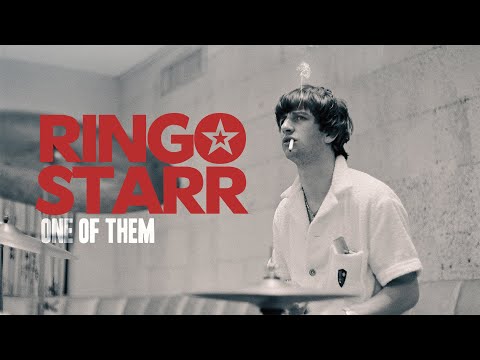
Ringo Starr, born Richard Starkey on July 7, 1940, in Liverpool, England, is a renowned musician and actor best known as the drummer for The Beatles. Starr's contribution to the music industry spans several decades, with an illustrious solo career that followed after his time with the legendary band. Known for his unique drumming style and charming personality, Ringo has made a significant impact on rock music. Aside from his work with The Beatles, Ringo Starr and His All Starr Band has been a successful group, showcasing his ability to collaborate with various talented musicians.
Ringo Starr's journey from a humble upbringing in Liverpool to becoming a global icon is a story of perseverance and talent. He faced several health issues in his early years, which left him in hospitals for extended periods. Despite these challenges, Ringo developed a strong interest in music, which became a source of joy and expression for him.
His career took a remarkable turn when he joined The Beatles in 1962, replacing Pete Best as the drummer. This union marked the beginning of an era that would transform popular music. As part of The Beatles, Ringo Starr contributed to unforgettable hits, leaving an indelible mark on the music world. With his distinctive drumming and vocal performances, he added a unique flavor to the band's sound. Notably, Ringo's humor and down-to-earth persona made him a beloved member of the group.
After the Beatles disbanded in 1970, Starr embarked on a solo career, releasing numerous successful albums and singles. His ability to adapt to changing musical styles and collaborate with other artists has kept him relevant over the years. Ringo Starr continues to tour and record new music, demonstrating his enduring passion for creativity and performance.
Formation and Early Years
Ringo Starr was raised in a working-class area of Liverpool, experiencing a challenging upbringing. As a child, he suffered from several illnesses, including tuberculosis, which kept him in the hospital for lengthy periods. These early health struggles did not deter him; instead, they fueled his passion for music, an interest that began during his convalescence when he learned to play percussion in the hospital band, the Edgerton Home Band.
Ringo's early exposure to the skiffle craze, popular in Britain during the late 1950s, ignited his passion for performing. In 1957, he joined a band called the Eddie Clayton Skiffle Group. This experience was pivotal in developing his skills and stage presence. In 1959, Ringo joined Rory Storm and the Hurricanes, a popular group in Liverpool. His time with this band was an essential period in developing his musical style. Rory Storm and the Hurricanes enjoyed success, particularly in Hamburg, Germany, where they established a residency at the Kaiserkeller club.
In 1962, as The Beatles found success, they faced the challenge of finding a permanent drummer. After assessing various options, they invited Ringo Starr to join them, and he accepted, replacing Pete Best. Despite initial apprehension from Beatles fans, Ringo quickly proved his talent and compatibility with the rest of the band members. His style and personality blended seamlessly with John Lennon, Paul McCartney, and George Harrison, forging a bond that would create historical musical moments.
Joining The Beatles marked the start of Ringo Starr's rise to fame. He gained popularity for his modest demeanor and humor, often providing comic relief in interviews and films. His approach behind the drum kit, characterized by subtle flair and precise rhythm, became integral to The Beatles' all-encompassing sound that captivated the world.
Career Highlights
Ringo Starr's career highlights include his tenure with The Beatles and his impressive solo accomplishments. During his time with The Beatles, he played on numerous groundbreaking tracks in music history, driving the rhythm section of the band with tracks like 'Come Together', 'A Day in the Life', and 'With a Little Help from My Friends', the latter of which also featured him on lead vocals.
After The Beatles broke up in 1970, Ringo Starr pursued a solo career that proved both successful and influential. One of his earliest achievements came with his 1971 album 'Ringo', a commercial success featuring the hit singles 'Photograph' and 'You're Sixteen'. This album showcased Ringo's ability to collaborate with his former Beatles bandmates and other notable musicians, creating a melodic and engaging pop-rock sound.
In the late 1980s, Ringo Starr formed the All Starr Band, a supergroup that included various rock legends. Notable members over the years have included Joe Walsh, Nils Lofgren, and Todd Rundgren, among others. The band focused on live performances, with each member playing a selection of their own hits along with Ringo's. This ensemble allowed Ringo to continue touring and exploring different musical landscapes while celebrating his past achievements.
Throughout his career, Ringo Starr received numerous awards and honors, including being inducted into the Rock and Roll Hall of Fame twice: as a Beatle in 1988 and as a solo artist in 2015. Despite the changing music industry, Ringo's commitment to his craft and notable collaborations have kept him at the forefront of the entertainment world.
Musical Style
Ringo Starr's musical style is distinctly characterized by its simplicity, steadiness, and instinctive ability to know what each song needs. His drumming approach is not about flashy solos or complex time signatures but about providing a solid and reliable backbone to the music, allowing other elements to shine. This approach paradoxically made his influence profound across the rock genre.
Throughout his career, Ringo has dabbled in various musical styles, from rock and pop to country and blues. He possesses a keen sense of rhythm and melody, often integrating them subtly into his performances. As a vocalist, Ringo brings a genuine, everyman quality to his singing, endearing him to fans who resonate with his straightforward, honest delivery.
His time with The Beatles allowed him to refine his skills within a pressure-cooker environment of creativity and innovation. Songs like 'Helter Skelter' and 'Tomorrow Never Knows' demonstrate his adaptability to changing styles, from straight rock to more psychedelic elements.
Beyond his drumming, Ringo's musical contributions include songwriting, particularly in his solo work. His music often includes themes of peace and love, reflecting his optimistic attitude towards life. Notably, Ringo's albums frequently feature collaborations with other artists, exemplifying his belief in the collaborative nature of music-making.
Most Important Albums
Among Ringo Starr's discography, several albums stand out as crucial to understanding his artistic legacy. His 1973 self-titled album, 'Ringo', remains one of his most successful solo efforts. Featuring hit singles such as 'Photograph' and 'You're Sixteen', and contributions from all the former Beatles, it showcased his ability to create memorable pop music post-Beatles.
'Goodnight Vienna', released in 1974, followed the successful formula set by its predecessor. Known for its catchy melodies and hit singles like 'Only You (And You Alone)', the album affirmed Ringo's status as a solo artist capable of attracting top-tier collaborators.
Another important album in Ringo's solo career is 'Time Takes Time', released in 1992. After a decade of less successful projects, this album marked a comeback for Starr, featuring production work from Jeff Lynne and Peter Asher and reflecting an updated but still quintessentially Ringo sound.
Most recently, albums like 'What’s My Name' (2019) and 'Zoom In' (2021) illustrate Ringo's continued passion for music-making. They contain collaborations with renowned artists, keeping his sound fresh while highlighting his established themes of peace and unity.
Legacy and Influence
Ringo Starr's legacy in music is profound. As the drummer for The Beatles, he helped change the landscape of modern music. His contribution to the success of one of the world's most influential bands cannot be overstated. His steady and innovative drumming provided the perfect counterpoint to the band’s harmonies and melodic progressions.
Beyond The Beatles, Ringo Starr's solo work has also left a significant mark. His ability to craft hit songs and collaborate with various artists showcased his versatility and his enduring appeal. He has influenced generations of musicians who cite his unique drumming style as inspiring their paths in music.
An advocate for peace and love, these themes permeate much of Ringo's work, resonating with a broad audience and leading efforts in bringing people together through music. Additionally, his role in films and as an occasional actor helped to solidify his image as a multifaceted entertainer.
Ringo Starr's influence extends beyond music. Known for his philanthropy, he has supported numerous charitable causes over the years, promoting humanitarian values. His work with The Lotus Foundation is notable, as the organization supports various charitable projects aimed at improving social welfare worldwide. Ringo’s indelible contributions to music and society at large ensure that his legacy will endure for future generations.
Albums by Ringo Starr

Look Up (album)
January 10, 2025
Country

Give More Love
September 15, 2017
Pop rock, country, reggae

Postcards from Paradise
March 31, 2015
Rock

Ringo 2012
January 30, 2012
Rock

Liverpool 8
January 14, 2008
Rock

Choose Love
June 07, 2005
Rock

Ringo Rama
March 25, 2003
Rock

I Wanna Be Santa Claus
October 19, 1999
Rock, christmas music

Vertical Man
June 16, 1998
Rock

Time Takes Time
May 22, 1992
Rock

Old Wave
June 16, 1983
Rock

Stop and Smell the Roses
October 27, 1981
Rock

Bad Boy
April 21, 1978
Rock

Ringo the 4th
September 20, 1977
Disco, funk, pop

Goodnight Vienna
November 15, 1974
Rock, pop

Ringo (album)
November 02, 1973
Rock, pop

Beaucoups of Blues
September 25, 1970
Country

Sentimental Journey
March 27, 1970
Traditional pop, jazz
Musicians / Members connected to Ringo Starr
FAQ about Ringo Starr
What genre is Ringo Starr?
Ringo Starr is commonly associated with Rock, Pop, Pop Rock.
Where is Ringo Starr from?
Ringo Starr is from Liverpool, England.
How many albums by Ringo Starr are listed on musicOnOff?
musicOnOff currently lists 18 albums by Ringo Starr.
