Queensrÿche
Overview
Queensrÿche is an American heavy metal band formed in 1980 in Bellevue, Washington. Known for their progressive metal sound, the band has released a series of critically acclaimed albums that have established them as a key player in the heavy metal scene. The band's music is characterized by dynamic arrangements, complex lyrical themes, and a combination of powerful vocals and intricate guitar work. Queensrÿche gained international recognition with their groundbreaking album 'Operation: Mindcrime' and continued to evolve their sound over the decades, experimenting with a variety of musical styles while staying true to their metal roots.
Queensrÿche's career spans over four decades, during which they have sold over 20 million albums worldwide. Their sound features a blend of progressive rock, metal, and conceptual storytelling, often addressing social and political themes. Known for their elaborate live performances and conceptual albums, Queensrÿche remains a significant influence on the heavy metal genre, inspiring numerous bands and maintaining a dedicated fanbase. Despite lineup changes and other challenges over the years, Queensrÿche has continued to produce new music and tour extensively, maintaining their legacy in the music industry.
Formation and Early Years
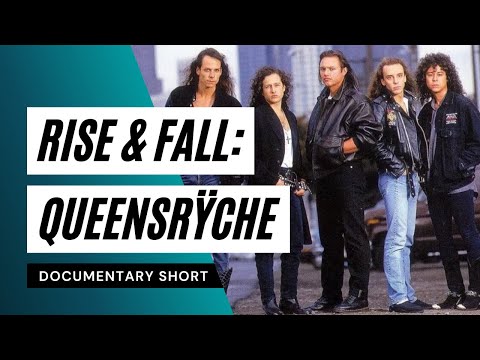
Queensrÿche was formed in 1980 by guitarist Michael Wilton, drummer Scott Rockenfield, guitarist Chris DeGarmo, bassist Eddie Jackson, and singer Geoff Tate. Initially known as The Mob, the band began building a local following in the Seattle area. Their early sound was heavily influenced by bands like Iron Maiden and Judas Priest, blending heavy metal with progressive elements.
In 1982, they changed their name to Queensrÿche and released their self-titled debut EP, which quickly caught the attention of major record labels. Their self-produced EP demonstrated their potential with its polished sound and ambitious musical ideas, leading to a contract with EMI Records. The early years saw the band refining their sound and building a reputation as a technically proficient and innovative group, setting the stage for their future success.
The band's debut album, 'The Warning,' was released in 1984 to positive reviews, showcasing their ability to merge metal's raw energy with progressive rock's complexity. The album's success helped Queensrÿche secure spots on major tours and expand their fanbase. Their follow-up album, 'Rage for Order,' continued their exploration of complex arrangements and themes, further solidifying their position in the metal community.
Career Highlights
Queensrÿche's career reached new heights with the release of 'Operation: Mindcrime' in 1988, a concept album that tells the story of a disillusioned man who becomes a pawn in a political conspiracy. This ambitious project received critical acclaim for its storytelling, musicianship, and production, becoming one of the defining albums of the metal genre. 'Operation: Mindcrime' remains one of Queensrÿche's best-selling albums and is considered a landmark in the history of concept albums.
Following the success of 'Operation: Mindcrime,' Queensrÿche released 'Empire' in 1990, which included the hit single 'Silent Lucidity.' The album achieved multi-platinum status and earned the band a Grammy nomination, solidifying their status as one of the leading acts in heavy metal. Throughout the 1990s and 2000s, Queensrÿche continued to release albums and tour, experimenting with their sound and adapting to changes in the music industry.
Despite lineup changes, particularly the departure of key members like Chris DeGarmo, Queensrÿche has continued to push creative boundaries. The band faced legal battles and lineup changes, most notably the departure of Geoff Tate in 2012. However, they successfully reestablished themselves with a new lineup and continued to release new music, demonstrating their resilience and dedication to their craft.
Musical Style
Queensrÿche's musical style is a sophisticated blend of heavy metal and progressive rock, characterized by complex arrangements, intricate guitar work, and dynamic vocals. Their music often features extended guitar solos, changes in tempo, and a blend of melodic and heavy elements. Lyricism is a key component of Queensrÿche's style, with themes that range from personal introspection to social and political commentary.
The band's sound has evolved over the years, incorporating elements of alternative rock, industrial, and even electronic music at times, while maintaining their metal foundation. This willingness to experiment has kept their music fresh and relevant, allowing them to appeal to a broad audience without compromising their artistic integrity.
Queensrÿche is known for their conceptual albums, with narrative-driven lyrics that create a cinematic listening experience. Albums like 'Operation: Mindcrime' set a high standard for conceptual storytelling in music, combining intricate narratives with powerful musical themes that engage listeners both intellectually and emotionally.
Most Important Albums
One of Queensrÿche's most pivotal albums is 'Operation: Mindcrime,' released in 1988. This concept album is often heralded as one of the greatest in the heavy metal genre, featuring a compelling storyline driven by political and social themes. The ambitious project showcased the band's ability to craft an engaging narrative through music, integrating dialogue and complex arrangements that captivated listeners.
Following 'Operation: Mindcrime,' Queensrÿche released 'Empire' in 1990, another critical and commercial success that elevated their status in the rock world. The album's hit singles, such as 'Silent Lucidity' and 'Jet City Woman,' received heavy airplay, and 'Silent Lucidity' earned the band their first Grammy nomination. 'Empire' marked a shift toward a more polished sound, appealing to a broader audience while retaining their core metal elements.
Other important albums include 'Promised Land' (1994), which expanded their musical horizons with a more experimental approach, and 'Rage for Order' (1986), known for its innovative use of keyboards and electronics. Each album represents a different phase of the band's evolution, reflecting their growth as musicians and songwriters.
Legacy and Influence
Queensrÿche's legacy is defined by their groundbreaking contributions to the heavy metal genre, particularly through their innovative use of concept albums. 'Operation: Mindcrime' is often cited as a benchmark for storytelling in music, influencing a generation of musicians and bands who seek to create narrative-driven albums. The band's ability to blend complex lyrical themes with powerful metal arrangements has inspired countless artists across genres.
Beyond their influence on music, Queensrÿche is credited with helping to define the progressive metal subgenre, combining the intensity of metal with the sophistication of progressive rock. Their music has influenced bands such as Dream Theater, Fates Warning, and many others who have followed in their footsteps, pushing the boundaries of what metal music can achieve.
Queensrÿche's impact extends beyond their sound, as they have maintained a reputation for integrity and artistic ambition throughout their career. Despite changes in the music industry and internal challenges, the band has remained committed to creating meaningful music, leaving a lasting impression on both fans and fellow musicians. Their enduring popularity and continued relevance speak to the strength of their artistic vision and the deep connection they have with their audience.
Albums by Queensrÿche

Digital Noise Alliance (album)
October 07, 2022
Heavy metal, progressive metal

The Verdict
March 01, 2019
Heavy metal, progressive metal

Dedicated to Chaos
June 28, 2011
Alternative metal, progressive rock

American Soldier
March 31, 2009
Hard rock, progressive metal

Take Cover
November 13, 2007
Heavy metal, progressive metal

Operation: Mindcrime II
March 31, 2006
Heavy metal, progressive metal

Tribe
July 22, 2003
Heavy metal, alternative rock, progressive metal

Q2K
September 14, 1999
Hard rock, alternative rock

Hear in the Now Frontier
March 25, 1997
Heavy metal, alternative rock, progressive rock

Promised Land
October 18, 1994
Progressive metal, heavy metal

Empire
September 04, 1990
Pop metal, progressive metal

Operation: Mindcrime
May 03, 1988
Heavy metal, progressive metal

Rage for Order
June 27, 1986
Progressive metal, glam metal

The Warning
September 07, 1984
Heavy metal, progressive metal, power metal

Queensrÿche (EP)
December 24, 1982
Heavy metal, power metal
Musicians / Members connected to Queensrÿche



FAQ about Queensrÿche
What genre is Queensrÿche?
Queensrÿche is commonly associated with Heavy Metal, Progressive Metal, Hard Rock.
Where is Queensrÿche from?
Queensrÿche is from Bellevue, Washington, United States.
How many albums by Queensrÿche are listed on musicOnOff?
musicOnOff currently lists 15 albums by Queensrÿche.
