Nirvana
Overview
Nirvana was an American rock band that emerged in the late 1980s and quickly rose to prominence as one of the most influential bands of the early 1990s. The band was renowned for its raw, energetic sound and for bringing the grunge genre to the forefront of the music scene. At the heart of Nirvana was lead singer and guitarist Kurt Cobain, whose intense and emotive songwriting resonated with a generation. Their music tackled themes of alienation, despair, and rebellion, reflecting the concerns of many young people at the time. Nirvana's breakthrough came with their second album, 'Nevermind,' which featured the iconic single 'Smells Like Teen Spirit.' The album's immense success catapulted the band into the mainstream, making Nirvana a household name and Cobain a reluctant spokesperson for Generation X.
Formation and Early Years
Nirvana was formed in Aberdeen, Washington, in the late 1980s by Kurt Cobain and bassist Krist Novoselic. The two musically inclined friends began playing together in 1987, deeply influenced by the punk rock and alternative music scenes. They went through several drummers before settling on Chad Channing, with whom they recorded their debut album, 'Bleach,' in 1989. Released by the small independent label Sub Pop, 'Bleach' was characterized by its raw, gritty sound and punk influences. Although the album did not make a significant commercial impact initially, it gained a cult following. Even in these early days, Cobain's talent for songwriting was evident, but it would be a few more years before the band's groundbreaking style reached a broader audience.
Career Highlights
Nirvana's career reached its pinnacle with the release of their second studio album, 'Nevermind,' in 1991. With new drummer Dave Grohl, the album was produced by Butch Vig and released through DGC Records. 'Nevermind' marked a dramatic shift in the musical landscape, overtaking Michael Jackson's album on the Billboard charts by early 1992. The single 'Smells Like Teen Spirit' became an anthem for a generation, with its infectious riff and powerful lyrics capturing widespread attention. Nirvana followed 'Nevermind' with 'In Utero' in 1993, an album that deliberately deviated from their previous polished sound. Produced by Steve Albini, 'In Utero' was praised for its rawness and unflinching authenticity. Despite Cobain's growing discomfort with fame, Nirvana remained at the forefront of the music industry until Cobain's untimely death in 1994, which effectively ended the band.
Musical Style
Nirvana's music is often characterized by its dynamic and contrasting musical qualities, combining elements of punk rock and alternative rock with a notable grunge aesthetic. Their sound featured loud, distorted guitar riffs blended with quiet, introspective lyrical passages, a technique that became a hallmark of the grunge genre. Cobain's unique vocal delivery, which could shift from a soft, haunting whisper to an aggressive, cathartic scream, played a significant role in defining Nirvana's style. Lyrics often explored themes of existential angst, alienation, and social commentary, resonating with listeners who felt disenfranchised by mainstream society. This raw, authentic approach set Nirvana apart from their contemporaries, influencing countless bands and musicians who came after them.
Most Important Albums
Nirvana released three studio albums during their brief but impactful career, each of which left a lasting legacy. 'Bleach,' their debut album, showcased the grunge sound that would later become a defining characteristic of the band and their scene. Despite its rough production quality, 'Bleach' laid the groundwork for what was to come. 'Nevermind' was their breakthrough album, featuring iconic tracks like 'Smells Like Teen Spirit,' 'Come As You Are,' and 'Lithium.' The album's commercial success brought grunge into the mainstream, changing the music industry landscape. 'In Utero,' their final studio album, was a deliberate departure from the polished production of 'Nevermind.' It featured tracks such as 'Heart-Shaped Box' and 'All Apologies,' which highlighted Cobain's ongoing struggle with fame and personal turmoil. Each album contributed significantly to the band's legacy and influence.
Legacy and Influence
Nirvana's influence on music and culture is immense, far exceeding their relatively brief career. As pioneers of the grunge movement, they brought a raw and authentic sound to a generation disenchanted with the polished, formulaic pop music of the era. Their success opened the door for other alternative bands to find mainstream success, effectively transforming the musical landscape. Kurt Cobain's songwriting and anti-establishment persona inspired countless musicians and artists, making him an enduring symbol of a generation's discontent. Following Cobain's death in 1994, there was an outpouring of grief from fans worldwide, cementing his status as a cultural icon. Nirvana's music continues to inspire new generations, and the band's legacy is preserved through posthumous releases and enduring fan devotion.
Albums by Nirvana

Live and Loud
September 23, 2013
Grunge, alternative rock

Live at the Paramount
September 24, 2011
Grunge, alternative rock

Icon
August 31, 2010
Grunge

With the Lights Out
November 23, 2004
Grunge, alternative rock, punk rock
🛍 Shop Music



Nirvana (Nirvana album)
October 29, 2002
Grunge, alternative rock

From the Muddy Banks of the Wishkah
October 01, 1996
Grunge, alternative rock

Singles (Nirvana box set)
November 06, 1995
Grunge, alternative rock

MTV Unplugged in New York
November 01, 1994
Alternative rock, acoustic rock, folk rock
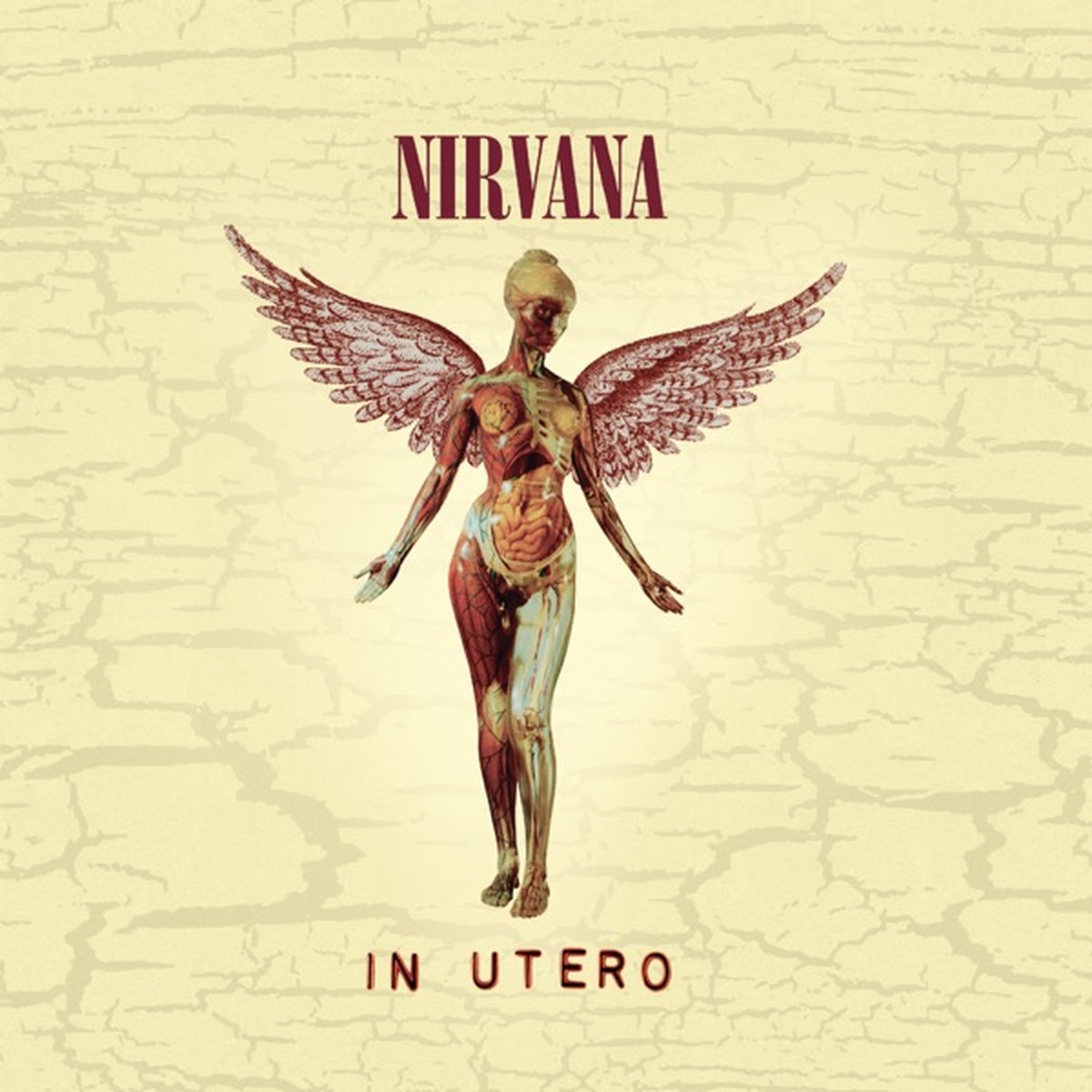
In Utero
September 21, 1993
Grunge, alternative rock

Incesticide
December 14, 1992
Grunge, alternative rock, punk rock

Nevermind
September 24, 1991
Grunge, alternative rock

Bleach (Nirvana album)
June 15, 1989
Grunge, sludge metal
Musicians / Members connected to Nirvana



FAQ about Nirvana
What genre is Nirvana?
Nirvana is commonly associated with Grunge, Alternative rock.
Where is Nirvana from?
Nirvana is from Aberdeen, Washington, United States.
How many albums by Nirvana are listed on musicOnOff?
musicOnOff currently lists 12 albums by Nirvana.
