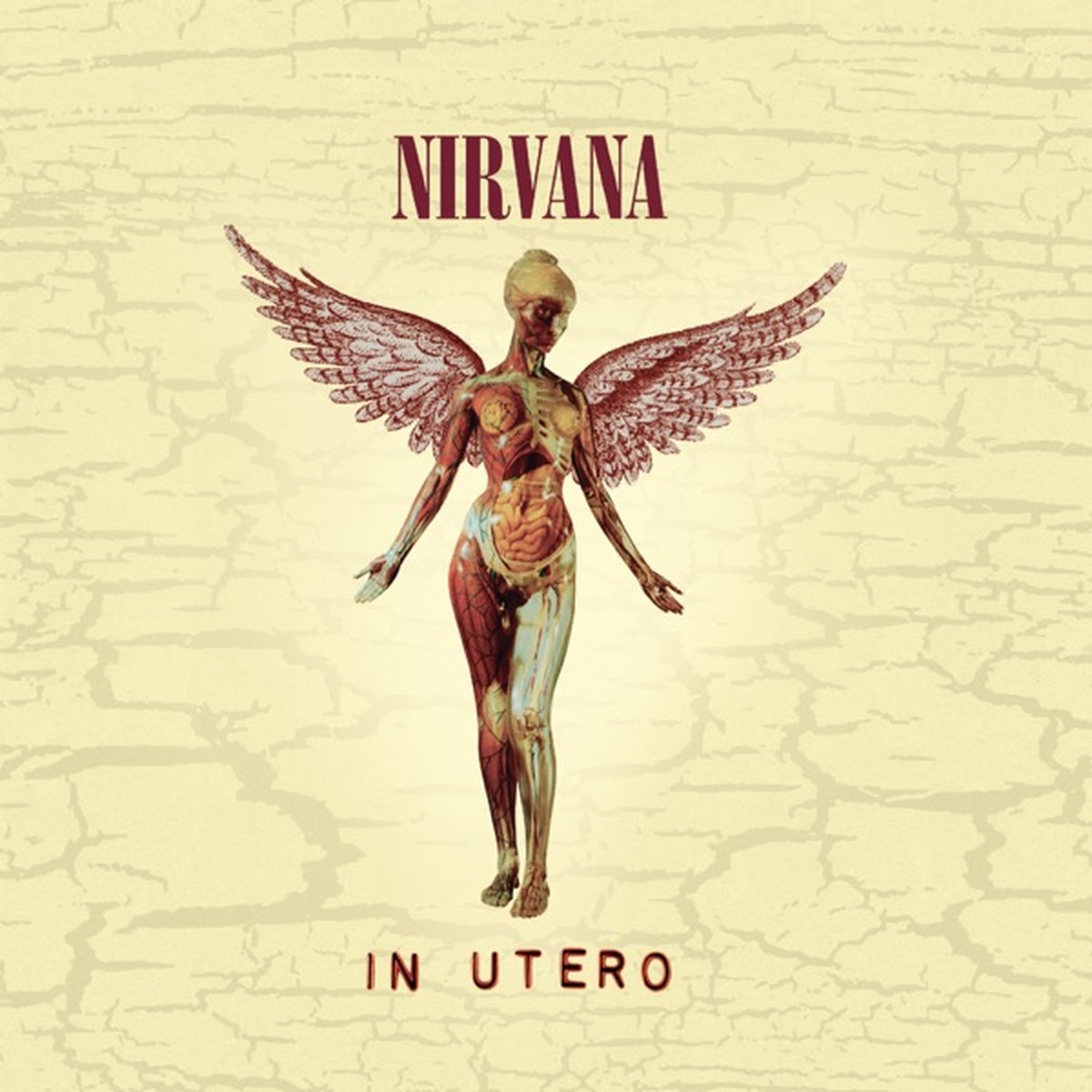
In Utero
by Nirvana
Released: September 21, 1993
Grunge, alternative rock
Shop Nirvana
Amazon affiliate linksWhy This Album Matters
Contemporary-release information and later discographical research agree that the single had been manufactured for a spring 1994 release, was withdrawn after Cobain's death, and survives in limited quantities. The evidence supports the chronology; it does not conclusively establish that the B-side title itself caused the cancellation, so that stronger claim is excluded.
The Album
Despite Kurt Cobain describing the album as "very impersonal," many songs reflect his personal struggles and feelings of angst, similar to themes present in their previous work. "In Utero" is the third and final studio album by Nirvana, released on September 21, 1993, by DGC Records. The album was recorded over two weeks in February 1993 at Pachyderm Studio in Minnesota.
Inside the Recording
Butch Vig, who produced Nevermind, later noted that Cobain needed a different producer to reclaim his punk ethos. Following the success of their second album, Nevermind, the band sought a more complex and abrasive sound, hiring producer Steve Albini for this purpose. Cobain appreciated Albini's technique of capturing a room's natural ambiance, which had not been explored by previous producers.
Interesting Facts
As a result, DGC Records opted to release…
As a result, DGC Records opted to release the compilation album Incesticide instead of a new studio album for the 1992 holiday season.
In a July 1992 interview, Cobain expressed interest…
In a July 1992 interview, Cobain expressed interest in working with Jack Endino, who had produced their debut album Bleach, and Steve Albini, known for his work with the noise rock band Big Black.
After recording, there were concerns that DGC might…
After recording, there were concerns that DGC might not release the album due to its uncommercial sound, prompting the band to master it with Bob Ludwig for a more polished result.
It was Nirvana's last album before Cobain's tragic…
It was Nirvana's last album before Cobain's tragic death in 1994, just six months after its release.
However, the band expressed dissatisfaction with the album's…
However, the band expressed dissatisfaction with the album's polished production.
Essential Tracks
Heart-Shaped Box
They later enlisted Scott Litt to remix the singles "All Apologies," "Heart-Shaped Box," and "Pennyroyal Tea." In Utero achieved significant commercial and critical acclaim, reaching number one on both the US Billboard 200 and UK Albums Chart.
Pennyroyal Tea
They later enlisted Scott Litt to remix the singles "All Apologies," "Heart-Shaped Box," and "Pennyroyal Tea." In Utero achieved significant commercial and critical acclaim, reaching number one on both the US Billboard 200 and UK Albums Chart.
All Apologies
They later enlisted Scott Litt to remix the singles "All Apologies," "Heart-Shaped Box," and "Pennyroyal Tea." In Utero achieved significant commercial and critical acclaim, reaching number one on both the US Billboard 200 and UK Albums Chart.
Explore the Album
Nirvana - In Utero
Open in Albums Gallery
Reception
They later enlisted Scott Litt to remix the singles "All Apologies," "Heart-Shaped Box," and "Pennyroyal Tea." In Utero achieved significant commercial and critical acclaim, reaching number one on both the US Billboard 200 and UK Albums Chart. "Pennyroyal Tea," originally intended as a single before Cobain's passing, was eventually released in 2014 and topped the now-defunct Billboard Hot 100 Singles Sales chart. The album is certified five times platinum in the US and has sold 15 million copies worldwide.
The Complete Album Story
"In Utero" is the third and final studio album by Nirvana, released on September 21, 1993, by DGC Records. Following the success of their second album, Nevermind, the band sought a more complex and abrasive sound, hiring producer Steve Albini for this purpose. Despite Kurt Cobain describing the album as "very impersonal," many songs reflect his personal struggles and feelings of angst, similar to themes present in their previous work.
The album was recorded over two weeks in February 1993 at Pachyderm Studio in Minnesota. After recording, there were concerns that DGC might not release the album due to its uncommercial sound, prompting the band to master it with Bob Ludwig for a more polished result. They later enlisted Scott Litt to remix the singles "All Apologies," "Heart-Shaped Box," and "Pennyroyal Tea."
In Utero achieved significant commercial and critical acclaim, reaching number one on both the US Billboard 200 and UK Albums Chart. The singles "Heart-Shaped Box" and "All Apologies" also topped the Billboard Alternative Songs chart. The album is certified five times platinum in the US and has sold 15 million copies worldwide. It was Nirvana's last album before Cobain's tragic death in 1994, just six months after its release.
"Pennyroyal Tea," originally intended as a single before Cobain's passing, was eventually released in 2014 and topped the now-defunct Billboard Hot 100 Singles Sales chart.
Nirvana gained mainstream success with their second album, Nevermind, in 1991, which, despite modest sales estimates, became a major commercial hit and helped popularize the grunge movement. However, the band expressed dissatisfaction with the album's polished production. Kurt Cobain, the lead singer, mentioned in early 1992 that their next album would showcase a mix of rawness and pop sensibilities, aiming for a more multidimensional sound. Butch Vig, who produced Nevermind, later noted that Cobain needed a different producer to reclaim his punk ethos.
Cobain wanted to start recording in mid-1992, but logistical issues arose due to his bandmates living in different cities and the impending birth of his daughter. As a result, DGC Records opted to release the compilation album Incesticide instead of a new studio album for the 1992 holiday season.
In a July 1992 interview, Cobain expressed interest in working with Jack Endino, who had produced their debut album Bleach, and Steve Albini, known for his work with the noise rock band Big Black. In October 1992, Nirvana recorded several demos with Endino, focusing mainly on instrumentals. They later recorded another set of demos while on tour in Brazil in January 1993, including a track originally titled "I'll Take You Down to the Pavement," referencing an argument between Cobain and Axl Rose at the 1992 MTV Video Music Awards.
Ultimately, the band chose Albini to produce their third album, inspired by his work on albums they admired. Cobain appreciated Albini's technique of capturing a room's natural ambiance, which had not been explored by previous producers. Albini was critical of the mainstream music industry and favored analog recording. Initially skeptical of Nirvana, he accepted the project after perceiving them as a band struggling against their record label.
Before recording, Nirvana sent Albini a tape of their Brazilian demos, and in return, he provided Cobain with a copy of PJ Harvey's Rid of Me to illustrate the studio's acoustics.
More Grunge Albums
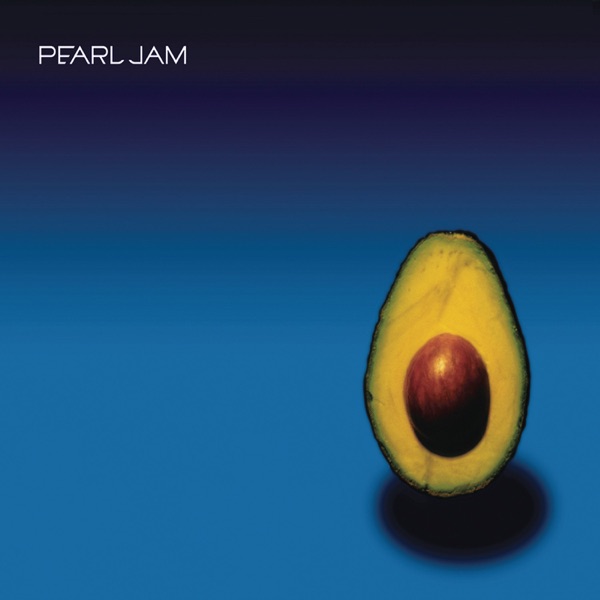 Pearl Jam - Vs.
 Mark Lanegan - Gargoyle (album)
 Stone Temple Pilots - Purple (Stone Temple Pilots album)
 3 Doors Down - 3 Doors Down (album)
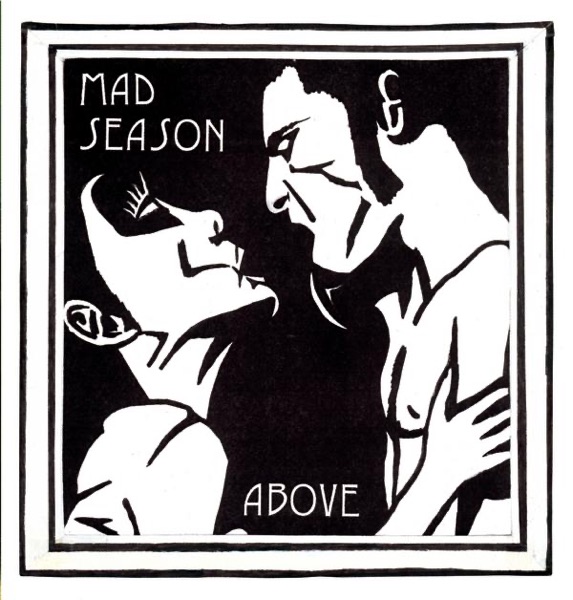 Mad Season - Above
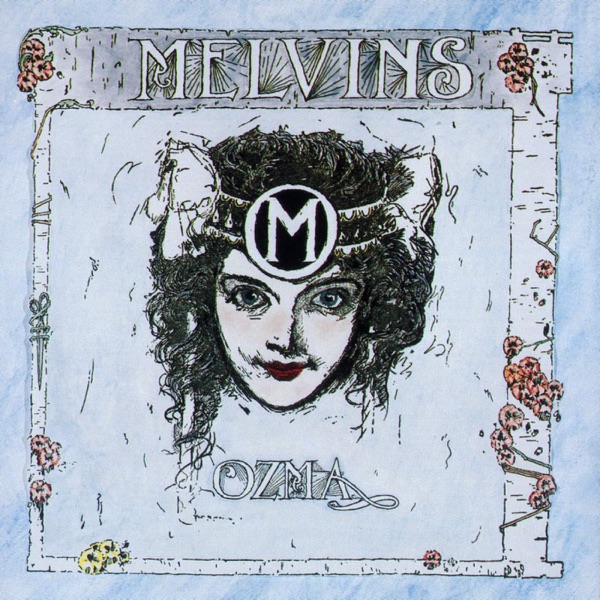 Melvins - Ozma (album)
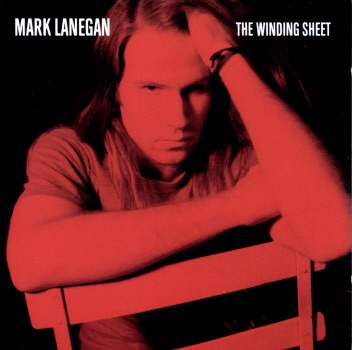 Mark Lanegan - The Winding Sheet
 Pixies - Bossanova
 Mudhoney - Every Good Boy Deserves Fudge
 Pearl Jam - Give Way (Live album)
 Screaming Trees - Last Words: The Final Recordings

Join the Conversation
Share your thoughts about this album.
Please log in to add a comment.
No comments yet. Be the first to comment.