Metallica
Overview
Metallica is one of the most influential heavy metal bands in music history, known for their intense performances, profound lyrics, and pioneering role in the genre of thrash metal. The band rose to prominence in the 1980s and has since become an iconic name, pushing the boundaries of heavy metal with each album release. Metallica's ability to evolve and innovate over the decades has secured their position as a powerhouse in the music world. Their exceptional musical craftsmanship, combined with lyrical themes often touching on personal and societal issues, have resonated with fans worldwide. The band has sold over 125 million albums globally, testament to their widespread appeal and enduring legacy in heavy metal and rock music. Metallica's impact extends beyond just their music; their extensive touring and dedication to their fans cement their reputation as consummate performers.
The band has embraced a dynamic range of sound, shifting from their early aggressive thrash metal style to more complex and melodic compositions. This evolution has broadened their audience and solidified their status not only as metal and rock giants but as versatile artists unafraid to explore new artistic directions. They remain as potent as ever, with fans from multiple generations attending their sold-out stadium tours. The band's involvement in social and environmental causes further exemplifies their influence, with initiatives supported through their All Within My Hands Foundation, aiming to create sustainable communities.
Founded in Los Angeles in 1981, Metallica was a collaboration between drummer Lars Ulrich and guitarist/vocalist James Hetfield. The band's lineup soon stabilized with the addition of guitarist Kirk Hammett and bassist Cliff Burton. Sadly, Burton's life was tragically cut short in a bus accident during a European tour in 1986. Nonetheless, Metallica persisted and continued to produce music that stood the test of time, earning numerous accolades and a lasting place in the Rock and Roll Hall of Fame.
Even today, Metallica continues to release new music and tour extensively, showcasing their commitment to the craft and to their loyal fanbase around the world. Deftly navigating the changing landscape of the music industry, they remain a relevant and vital force. With ten studio albums to their name, a throng of prestigious awards, and a legion of devoted fans known as the 'Metallica Family', their influence stretches beyond borders, cultures, and generations.
Formation and Early Years
Metallica was formed in 1981 when James Hetfield responded to an advertisement posted by Lars Ulrich in a Los Angeles newspaper searching for creative partners to start a heavy metal band. Their mutual passion for bands like Motörhead, Diamond Head, and New Wave of British Heavy Metal acted as the initial bonding agent. They quickly began writing songs together and recruiting additional members. Dave Mustaine was initially brought in as the lead guitarist, and Ron McGovney as the bassist. However, both members would soon be replaced, with Cliff Burton joining the band in 1982, bringing his own unique style, and Kirk Hammett later taking over the lead guitar duties.
Despite being born from a scene traditionally focused on glam rock, Metallica's aggressive and raw sound quickly distinguished them from their contemporaries. The band relocated to the Bay Area in Northern California, a move pivotal for their growth, as this region harbored a burgeoning thrash metal scene. Their first demo, 'No Life 'til Leather', started circulating widely, leading to a contract with Megaforce Records. This jumpstarted their career, pushing them into recording 'Kill 'Em All', which was released in 1983. The album was raw, energetic, and defied the commercial sounds that dominated radio airwaves at the time, captivating hardcore fans.
The band's early years were marred by intense touring schedules, leading to exhaustion, but this helped them hone their live performances into the well-oiled machine they would become known for. Metallica's live shows became infamous for their intensity and raw power, quickly earning them a dedicated fan base. The death of bassist Cliff Burton in 1986 was a devastating blow to the band. His passing in a tragic accident in Sweden threatened to disband the group, but they decided to carry on, honoring his memory with Jason Newsted as his replacement.
Metallica's relentless drive and undying devotion to their craft in these formative years paid off, setting the groundwork for their rise as metal titans. Their early works were characterized by high energy and speed, with lyrics incorporating social commentary, showcasing a band determined to harbor integrity and control over their musical expression despite external pressures. This ingenuity would guide their decisions in the years ahead as they grew into one of the most successful bands in history.
Career Highlights
Metallica's career is a series of notable highlights, many of which transformed them from promising newcomers to household names. Following the success of 'Kill 'Em All', Metallica released 'Ride the Lightning' in 1984. This album introduced more sophisticated compositions and darker themes, showcasing the band’s maturation and willingness to explore deeper narratives through their music. 'Master of Puppets', released in 1986, is often hailed as one of the most influential metal albums ever made, solidifying their reputation. With tracks like 'Battery' and the instrumental 'Orion', the album was a masterstroke balancing ferocity with musical prowess.
In 1991, Metallica released what would become known as 'The Black Album'. Its streamlined production and radio-friendly tracks, such as 'Enter Sandman' and 'The Unforgiven', introduced the band to a broad audience. This album catapulted Metallica into global superstardom and has sold over 16 million copies in the United States alone. Despite criticisms from some hardcore fans, 'The Black Album' is lauded as a pivotal moment in their career, redefining mainstream metal music.
A significant highlight in Metallica's career is their endurance and adaptability. The band faced multiple challenges, including personnel changes, stylistic experimentation, and the adversities of commercial pressures. Yet, their ability to consistently produce compelling music and maintain a rigorous touring schedule even into the later stages of their career speaks volumes about their tenacity and commitment.
Metallica also took innovative steps in their career by engaging with new technologies and approaches. Their participation in 'Some Kind of Monster', a documentary exploring their internal band dynamics, was candid and genre-defining. Another notable achievement was recording a live performance with the San Francisco Symphony Orchestra for the 'S&M' album, blending metal with orchestral arrangements that granted new dimensions to their music. Despite fluctuations in the broader music industry, Metallica continues to captivate audiences, proving their resilience and enormous appeal.
Musical Style
Metallica's musical style is a testament to their evolution as artists. They began with a raw thrash metal sound characterized by speed, power, and aggressive riffs, as evidenced by their early work, 'Kill 'Em All'. Their music often featured complex arrangements and multifaceted songwriting, with an intensity and energy that captured the essence of 1980s metal.
As their career progressed, Metallica's style incorporated melodic elements without losing their metal roots. Albums such as 'Ride the Lightning' and 'Master of Puppets' exemplified their growth in songwriting sophistication, with explorations into themes of power, addiction, and human frailty. The lyrics grew more introspective and expansive, matching the intricate guitar work and rhythm sections that gave each song a powerful presence.
Over time, the band embraced elements of hard rock and even symphonic influences, particularly noticeable in 'The Black Album', which showcased more accessible songs with powerful hooks that appealed to a wider audience. This evolution attracted new fans and demonstrated their versatility as a band unafraid to explore beyond the confines of their genre.
Metallica's willingness to experiment with their sound has been polarizing for some fans. Albums like 'Load', 'ReLoad', and 'St. Anger' displayed a departure from their thrash roots, introducing alternative rock and nu-metal elements. However, their return to more traditional thrash in 'Death Magnetic' reassured fans of their foundational sound. Their style remains a blend of aggressive riffs and complex rhythms, underpinned by Hetfield's distinctive vocal delivery and the band's ever-evolving arrangements.
Most Important Albums
Metallica’s discography is both rich and diverse, with several key albums marking milestones in their career. 'Kill 'Em All' (1983) was their explosive debut, establishing them as a formidable force in thrash metal. Its raw energy and youthful aggression captured the spirit of the underground metal scene and set the tone for their future work.
'Ride the Lightning' (1984) marked a noticeable shift, showing the band’s growth in songwriting and thematic maturity. With tracks like 'Fade to Black' and 'Creeping Death', this album explored more profound lyrical content and showcased more intricate musical compositions, expanding their sound considerably.
'Master of Puppets' (1986) is often cited as one of the greatest metal albums ever. It is an epic testament to the band’s prowess, containing complex song structures and multifaceted themes. Its title track is a classic, exploring the idea of control and manipulation, while songs like 'Disposable Heroes' address the futility of war. This album solidified Metallica’s status as leaders in their genre.
Metallica's self-titled album, often referred to as 'The Black Album' (1991), was a turning point in their career. It shifted towards a more mainstream sound with massive riffs and memorable hooks, reaching unprecedented commercial success. The album’s wide appeal brought Metallica international fame and significantly expanded their fanbase.
Other noteworthy albums like '...And Justice for All' (1988) and 'Death Magnetic' (2008) are also critical to understanding Metallica’s musical journey, highlighting their technical prowess and ability to innovate within the heavy metal genre. Throughout these varied albums, Metallica has continually shown their dedication to redefining heavy metal and pushing the boundaries of what metal music can achieve.
Legacy and Influence
Metallica’s legacy in the music world is vast, influencing countless musicians and bands across genres. Their pioneering work in the thrash metal scene set a foundation for many who came after. Known for their high-energy performances and commitment to their art, Metallica ranks high in music history as a defining force in heavy metal. The band's profound influence can be heard in the music of bands ranging from contemporary thrash and metalcore acts to alternative rock and punk bands, all of whom have cited Metallica as an inspiration.
Their impact goes beyond music. Metallica has left a lasting mark on the business side of the industry, known for their innovative approaches to engaging with fans and distributing music. Their lawsuit with Napster in the early 2000s, although controversial, spotlighted issues of digital piracy and the monetization of music in the internet age. This action was instrumental in shaping how the music industry approached digital distribution.
Metallica’s dedication to touring and creating new music has kept them relevant across multiple decades. Their live performances are world-renowned, consistently selling out stadiums and featuring elaborate stage setups. They have not only broken records in album sales and concert attendance but also gained critical acclaim, receiving numerous awards, including multiple Grammy Awards. Their induction into the Rock and Roll Hall of Fame in 2009 is a testament to their contributions to music and culture.
Beyond their musical endeavors, Metallica is known for their philanthropic work. Through the 'All Within My Hands Foundation', they continue to make a positive impact, supporting workforce education and fighting hunger. Metallica's multifaceted legacy—as beloved musicians, fierce advocates for artists' rights, and proponents of social causes—cements their storied place in the annals of music history.
Albums by Metallica

72 Seasons
April 14, 2023
Heavy metal, thrash metal

S&M2
August 28, 2020
Symphonic metal

Hardwired... to Self-Destruct
November 18, 2016
Heavy metal, thrash metal

Through the Never(album)
September 24, 2013
Heavy metal, thrash metal
🛍 Shop Music

TShirt.jpg)

Lulu
October 31, 2011
Avant-garde metal, spoken word
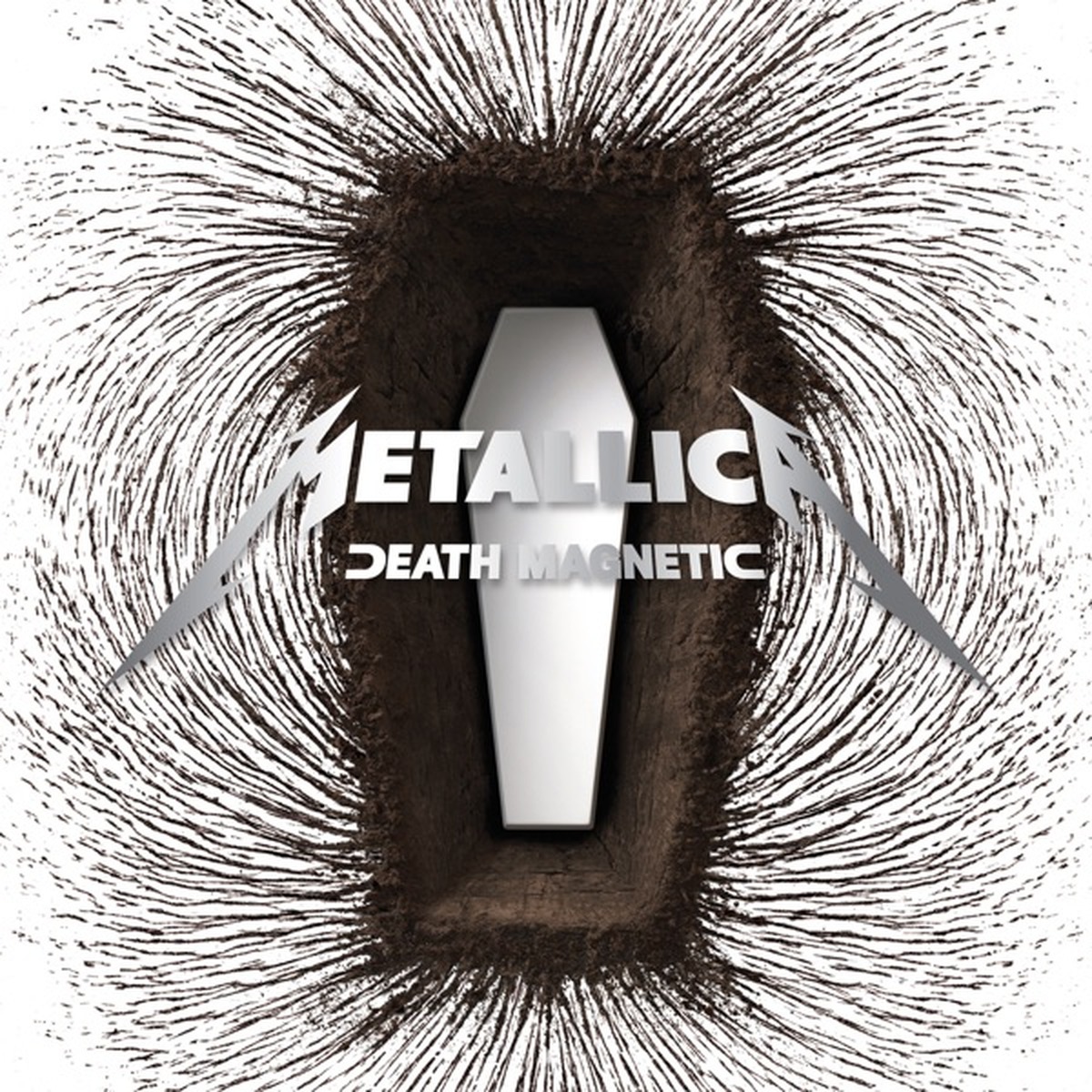
Death Magnetic
September 12, 2008
Thrash metal, heavy metal

St. Anger
June 05, 2003
Alternative metal, nu metal

Garage Inc.
November 24, 1998
Heavy metal, hard rock, thrash metal, hardcore punk

Reload
November 18, 1997
Hard rock, heavy metal

Load (album)
June 04, 1996
Hard rock, heavy metal

Metallica (album)
August 12, 1991
Heavy metal

...And Justice for All (album)
September 07, 1988
Thrash metal, progressive metal

The $5.98 E.P. – Garage Days Re-Revisited
August 21, 1987
Thrash metal

Master of Puppets
March 03, 1986
Thrash metal

Ride the Lightning
July 27, 1984
Thrash metal

Kill 'Em All
July 25, 1983
Thrash metal, speed metal
Musicians / Members connected to Metallica





FAQ about Metallica
What genre is Metallica?
Metallica is commonly associated with Heavy metal, Thrash metal, Hard rock.
Where is Metallica from?
Metallica is from Los Angeles, California, USA.
How many albums by Metallica are listed on musicOnOff?
musicOnOff currently lists 16 albums by Metallica.
