Led Zeppelin
Overview
Led Zeppelin was an iconic rock band that emerged from England in the late 1960s. Known for its innovative approaches to music, the band quickly rose to international fame, establishing itself as a trailblazer in the realm of hard rock and heavy metal. Comprised of four extraordinarily talented musicians—Robert Plant, Jimmy Page, John Paul Jones, and John Bonham—Led Zeppelin pushed the boundaries of rock music with their unique blend of blues, psychedelia, and folk elements. Over the course of their career, they released eight studio albums, many of which have been universally praised and have left an indelible mark on the landscape of contemporary music. Each member brought something unique to the band's sound: Robert Plant's powerful and distinctive vocals, Jimmy Page's masterful guitar work, John Paul Jones' versatile musicianship, and John Bonham's thunderous drumming. Their ability to create epic sounds and their penchant for mysticism and mythological themes in their lyrics made them a standout in an era rife with musical experimentation.
The band's journey was marked by both phenomenal success and internal challenges. From their debut album in 1969 to their breakup in 1980 following the tragic death of drummer John Bonham, Led Zeppelin's history is both a story of spectacular achievements and intense personal and artistic dynamics. Their music has transcended generations, continuing to inspire countless artists long after the band's active years ended. Despite their relatively brief existence as a band, their legacy is one of monumental influence, solidifying their status as one of the greatest rock bands of all time.
Formation and Early Years
Led Zeppelin's formation was rooted in the ambitions of guitarist Jimmy Page, who sought to form a new supergroup following the breakup of The Yardbirds, where he was the last remaining member. Page initially planned to form a group with Jeff Beck and others but eventually crossed paths with John Paul Jones, a skilled session musician and bassist. Jones expressed interest in joining Page's nascent project, and together they began the process of recruiting additional members.
Robert Plant, an upcoming blues singer known for his powerful vocal range, was recommended to Page, and after witnessing him perform, Page offered him the role of lead vocalist. Plant, in turn, suggested drummer John Bonham, with whom he had previously played. Recognizing Bonham's exceptional talent and dynamic drumming style, Page was keen to include him in the lineup. With all the members in place by late 1968, the band initially toured as The New Yardbirds to fulfill some previous obligations.
The group later adopted the name Led Zeppelin, inspired by a humorous conversation about the band going down like a 'lead balloon.' Their initial tour in Scandinavia solidified a unique musical chemistry among the members, even playing a few original songs that would later appear on their debut album. The early shows were so electrifying that they quickly secured a recording contract. In a matter of months, Led Zeppelin shifted from concept to reality, laying the groundwork for what would become a towering presence in rock music.
Career Highlights
Led Zeppelin's career is marked by a series of groundbreaking achievements that pushed the limits of rock music and live performance. Their debut album, "Led Zeppelin," released in January 1969, set the stage for their future success with its powerful combination of blues, rock, and folk influences. It received mixed initial critical reviews but quickly became a commercial success, establishing Led Zeppelin as a rising force in the music industry.
Following their explosive debut, Led Zeppelin released a succession of influential and commercially successful albums, including "Led Zeppelin II," "III," and the untitled fourth album often referred to as "Led Zeppelin IV." The latter remains one of their most celebrated works, featuring iconic tracks like "Stairway to Heaven," which has been consistently ranked among the greatest rock songs of all time. Throughout the 1970s, the band continued to innovate with albums such as "Houses of the Holy," "Physical Graffiti," and "Presence," each contributing to their legendary status and showcasing their versatility as musicians.
The group was also known for its dynamic and often extravagant live performances. With no introductions or setlists, their concerts were spontaneous and powerful, highlighted by extended improvisations and the sheer volume of sound they produced. Notable performances include their headlining shows at Madison Square Garden and their unforgettable appearance at the 1970 Bath Festival. Led Zeppelin's live gigs were instrumental in building their reputation as one of the era's most compelling and ambitious live acts, setting attendance records and leaving a lasting impression on audiences around the world.
Musical Style
Led Zeppelin's musical style is a rich tapestry of influences that the band skillfully wove together to create their distinct sound. At its core, their music was a fusion of hard rock, blues, and folk, characterized by heavy guitar riffs, complex arrangements, and powerful vocals. Jimmy Page's guitar work was integral to the band's sound, with his masterful solos and innovative techniques such as reverse echo and guitar bowing contributing to the unique aural landscape they created.
The band's penchant for experimentation led them to incorporate elements of psychedelia, world music, and even jazz into their compositions. Robert Plant's commanding vocal style drew heavily from blues traditions while also exploring mythological and philosophical themes in his lyrics. This blend of lyrical content with complex musical structures allowed Led Zeppelin to craft songs that were both epic and deeply personal, resonating with fans across diverse musical tastes.
Another defining feature of Led Zeppelin’s style was their dynamic shifts between soft, intricate acoustic sections and loud, powerful electric ones. For instance, tracks like "Stairway to Heaven" and "Babe I'm Gonna Leave You" display this versatility, starting with mellow acoustics and building up to rousing electric climaxes. The tight rhythm section of John Paul Jones and John Bonham provided a solid and innovative foundation that allowed the band to explore various styles without losing cohesion. Jones’ multi-instrumental skills and Bonham’s groundbreaking drumming techniques, including his fast bass drum triplets and revolutionary use of odd time signatures, added depth and complexity to the band’s sound.
Most Important Albums
Led Zeppelin's discography includes some of the most critically acclaimed and influential albums in rock history. Their eponymous debut release, "Led Zeppelin," is often regarded as a cornerstone of hard rock, with its powerful tracks like "Dazed and Confused" and "Communication Breakdown" setting a standard for the genre.
"Led Zeppelin II," released later in 1969, refined their sound further with hits like "Whole Lotta Love" and "Ramble On," efforts that solidified their presence in the rock world. The album demonstrated their incredible chemistry and included significant contributions from each member, becoming emblematic of their penchant for blending heavy rock with blues influences.
The band's untitled fourth album, commonly known as "Led Zeppelin IV," achieved monumental success. It featured a broad range of songs including "Black Dog," "Rock and Roll," and "Stairway to Heaven," the latter of which is frequently lauded as one of the greatest rock songs ever recorded. This album epitomized the band's ability to blend complex musical narratives with unforgettable melodies, cementing their place in rock history.
Subsequent albums like "Houses of the Holy" and "Physical Graffiti" further expanded their musical scope and innovation. "Houses of the Holy" saw the band exploring reggae and funk elements, while "Physical Graffiti" was a double album that showcased their versatility and depth. Each of these records played a crucial role in defining Led Zeppelin’s identity and left a lasting impact that continues to influence musicians today.
Legacy and Influence
Led Zeppelin's legacy as one of the greatest rock bands of all time is cemented not only by their music but also by the profound influence they've had on the industry. Their approach to music production, including the decision to not release singles and focus on holistic albums instead, changed the way rock albums were experienced and consumed. The band's innovative studio techniques, such as multi-tracking and complex guitar overdubs, became a standard for rock music production.
Their exploration of different musical styles and incorporation of eclectic instruments influenced countless artists, encouraging a broader, more experimental approach to rock and heavy metal. Jimmy Page's guitar mastery and use of unconventional methods, like violin bows, inspired a new generation of guitarists who sought to imitate his style. Robert Plant's vocal performance set a new benchmark for rock singers, while John Bonham's powerful drumming style is emulated by drummers all around the world. Meanwhile, John Paul Jones' versatility on a variety of instruments provided a blueprint for future multi-instrumentalists.
Led Zeppelin also played a crucial role in pioneering the concept of the "rock god" and the larger-than-life presence that came with being a performer. Their concerts set new standards for live performances, featuring elaborate stage setups and captivating performances that have inspired countless live acts. The band's mythology, cultivated through their music and onstage persona, contributed to their mystique and enduring popularity.
Decades after their disbandment, Led Zeppelin's music continues to enjoy significant commercial success and critical acclaim, with frequent reissues and remasters that bring their sound to new audiences. Many of their songs have become classic rock staples, and their influence is evident in numerous modern genres, from rock and metal to even hip-hop and electronic music. The band's impact is immeasurable and continues to resonate with musicians and listeners alike, underscoring their status as timeless legends in the world of music.
Albums by Led Zeppelin

Mothership
November 12, 2007
Hard rock, heavy metal, blues rock, folk rock

How the West Was Won (Led Zeppelin album)
May 27, 2003
Hard rock, heavy metal, blues rock, folk rock

BBC Sessions
November 17, 1997
Hard rock, heavy metal, blues rock

Led Zeppelin Boxed Set
October 29, 1990
Hard rock, heavy metal, blues rock, folk rock
🛍 Shop Music


Led Zeppelin Remasters
October 15, 1990
Hard rock, heavy metal, blues rock, folk rock

Coda
November 26, 1982
Rock and roll, blues

In Through the Out Door
August 22, 1979
Hard rock, art rock

The Song Remains the Same(soundtrack)
October 20, 1976
Hard rock

Presence (album)
March 31, 1976
Hard rock, heavy metal, blues rock

Physical Graffiti
February 24, 1975
Hard rock

Houses of the Holy
March 28, 1973
Hard rock

Led Zeppelin IV
November 08, 1971
Hard rock, heavy metal

Led Zeppelin II
October 22, 1969
Hard rock, heavy metal, blues rock
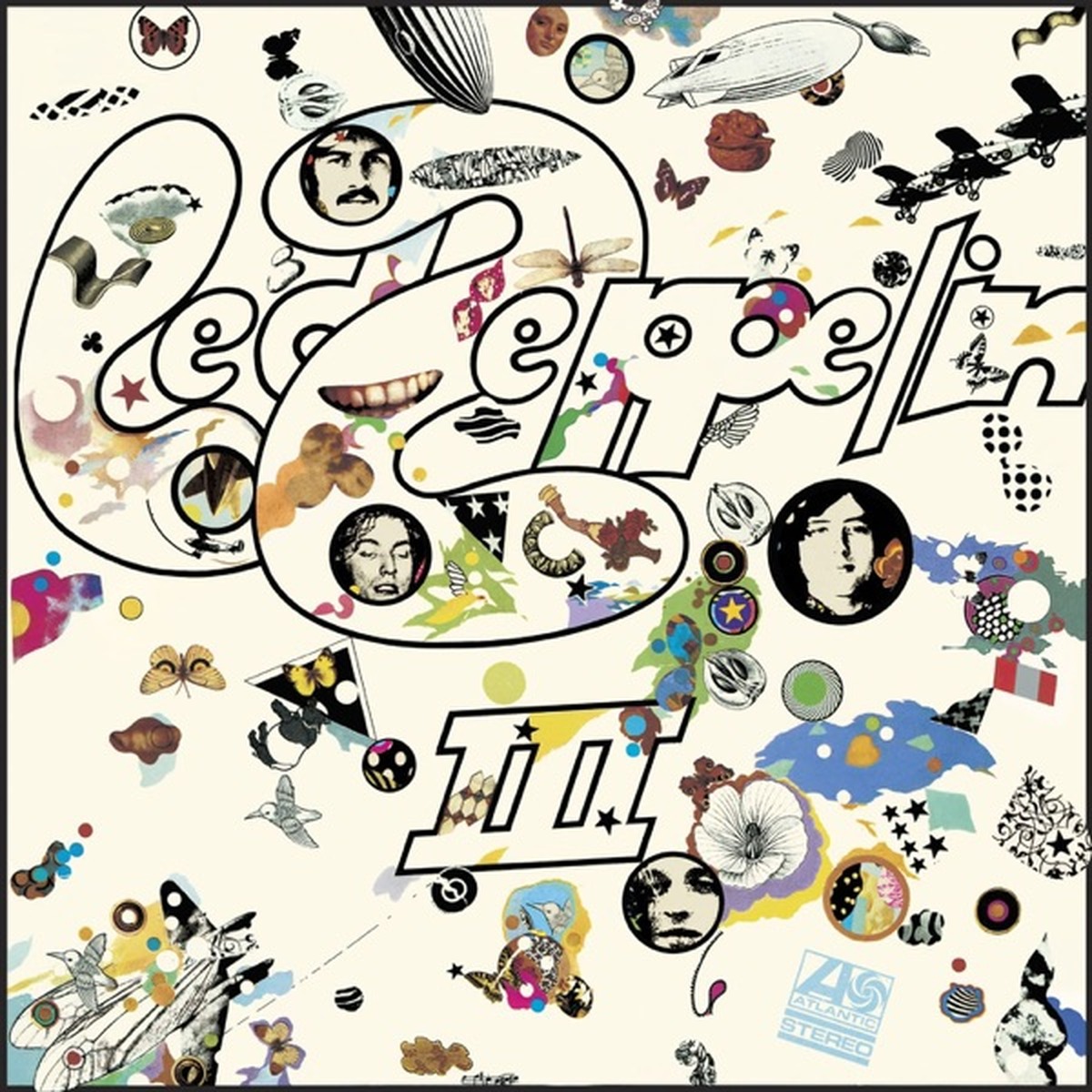
Led Zeppelin III
October 05, 1969
Hard rock, Folk rock

Led Zeppelin (album)
January 13, 1969
Hard rock, blues rock
Musicians / Members connected to Led Zeppelin


FAQ about Led Zeppelin
What genre is Led Zeppelin?
Led Zeppelin is commonly associated with Hard rock, Blues rock, Folk rock, Heavy metal.
Where is Led Zeppelin from?
Led Zeppelin is from London, England, United Kingdom.
How many albums by Led Zeppelin are listed on musicOnOff?
musicOnOff currently lists 15 albums by Led Zeppelin.
