Eric Clapton
Overview
Eric Clapton, born on March 30, 1945, in Ripley, Surrey, England, is one of the most influential and successful guitarists in the history of rock music. Often referred to as 'Slowhand,' Clapton has enjoyed a career that spans over six decades, during which he has been inducted into the Rock and Roll Hall of Fame three times: as a solo artist, and as a member of both Cream and the Yardbirds. His career is marked by a remarkable ability to blend blues, rock, and pop styles, earning him both critical acclaim and commercial success.
Clapton's journey began in the British blues scene of the early 1960s, where his extraordinary guitar skills quickly gained recognition. His fluid style and deep understanding of blues traditions set him apart from his peers. Over the years, Clapton has released a string of hit albums and singles, many of which have become classics. Songs like 'Layla,' 'Tears in Heaven,' and 'Wonderful Tonight' have cemented his status as a legendary musician.
Beyond his musical achievements, Clapton has also faced personal challenges, including struggles with addiction and profound personal loss. However, he has used these experiences to fuel his creative output, producing some of his most heartfelt work during these times. Despite these hardships, Clapton continues to perform and record, demonstrating an unwavering commitment to his craft.
Eric Clapton's influence extends beyond his music. He is also known for his charitable efforts, particularly his Crossroads Centre, which he founded to help others overcome addiction. His life and work have inspired countless musicians and fans, making him one of the most respected figures in the music industry.
Formation and Early Years
Eric Clapton's journey in music began when he was captivated by the blues as a teenager. He was particularly drawn to the works of blues legends like Robert Johnson, B.B. King, and Muddy Waters, which profoundly influenced his playing style. Clapton received his first guitar at the age of 13, and he dedicated countless hours to mastering the instrument, developing the meticulous technique that would become his hallmark.
In the early 1960s, Clapton's professional career took off when he joined the Yardbirds. His tenure with the Yardbirds introduced him to a broader audience and solidified his reputation as a premier guitarist, though he left the band in 1965, seeking a purer blues sound. Clapton then joined John Mayall & the Bluesbreakers, where he further honed his craft and gained the nickname 'Slowhand.' This period was crucial for his development, as it allowed him to explore the depths of blues music more fully.
Clapton's next big leap was his involvement in forming the power trio Cream in 1966, alongside Jack Bruce and Ginger Baker. Cream was groundbreaking, blending rock and blues with extended improvisational jamming. The band became known for explosive live performances and classic tracks like 'Sunshine of Your Love' and 'White Room,' which highlighted Clapton's innovation and skill as a guitarist.
The 1960s were a formative decade for Clapton, as he explored multiple facets of the music scene and established his identity as a musician. His early experiences with various bands set the stage for his solo career, marking the beginning of his long-standing impact on music history.
Career Highlights
Eric Clapton's career is marked by an incredible array of highlights, each contributing to his legacy as a legendary musician. After Cream's explosive success, Clapton briefly formed Blind Faith with Steve Winwood, Ginger Baker, and Ric Grech. Although the supergroup released only one studio album, it was a commercial success and is remembered for tracks like 'Can't Find My Way Home.'
In the early 1970s, Clapton embarked on his solo career, achieving significant success with albums like 'Eric Clapton' (1970) and '461 Ocean Boulevard' (1974). The latter featured his iconic cover of Bob Marley's 'I Shot the Sheriff,' which became a number-one hit and demonstrated Clapton's ability to reinterpret and popularize music across genres. His deeply personal album 'Layla and Other Assorted Love Songs,' released with Derek and the Dominos, remains a cornerstone of his catalog. It features 'Layla,' a track inspired by his unrequited love for Pattie Boyd, which has become one of Clapton's signature songs.
Clapton's ability to evolve continued throughout the 1980s and 1990s, when he won several Grammy Awards for his work, including 'Tears in Heaven,' a poignant tribute to his late son, and the critically acclaimed 'Unplugged' album. The latter revitalized his career, showcasing his versatility and profound emotional expression in an acoustic setting.
Throughout his career, Clapton has collaborated with numerous artists, such as B.B. King, J.J. Cale, and George Harrison, further solidifying his reputation as a musician who bridges musical worlds. His ongoing contributions to music are celebrated worldwide, and he remains a formidable presence on the stage and in the studio.
Musical Style
Eric Clapton's musical style is a rich tapestry of blues, rock, and pop, with a deep-rooted foundation in the blues tradition. His guitar playing is characterized by expressive phrasing, emotive bends, and a seemingly effortless blending of technical proficiency and soul. Clapton's ability to convey a wide range of emotions through his instrument has endeared him to audiences across generations.
A defining element of Clapton's style is his commitment to the blues. Even as he ventured into various musical territories, the blues remained at the core of his expression. This dedication is evident in his covers of blues standards and original compositions that pay homage to the genre's heritage. Clapton's blues sensibility is marked by his deep respect for his predecessors, which he combines with his unique touch.
Beyond the blues, Clapton has explored a variety of genres, including rock ballads, reggae, and pop. His versatility is reflected in hits like 'Layla,' with its fiery guitar riffs, and 'Wonderful Tonight,' showcasing his softer, sentimental side. Clapton's ability to seamlessly transition between different musical styles has contributed to his widespread appeal and longevity as an artist.
Despite changes in musical trends, Clapton's style remains both classic and innovative. He continues to evolve as a musician, drawing from his past work while incorporating new influences. His distinctive approach to music makes him not only a pioneering guitarist but also a storyteller whose narratives resonate in the hearts of his listeners.
Most Important Albums
Throughout his illustrious career, Eric Clapton has released numerous albums that have become staples in rock and blues music. One of his most significant works is 'Layla and Other Assorted Love Songs' (1970), recorded with Derek and the Dominos. This album is renowned for its emotional depth and masterful guitar work, epitomized by the iconic track 'Layla.' It stands as a testament to Clapton's ability to express personal turmoil through music.
Another pivotal album in Clapton's discography is '461 Ocean Boulevard' (1974), marking his return to the music scene after overcoming personal struggles. This album features a diverse range of styles and includes his hit rendition of 'I Shot the Sheriff.' Its success reaffirmed Clapton's status as a leading figure in music and demonstrated his capacity for reinvention.
In 1992, Clapton's 'Unplugged' album captured a new dimension of his artistry. Recorded live for MTV Unplugged, the album showcased acoustic renditions of his songs and highlighted Clapton's musical versatility. The stripped-down arrangement of 'Tears in Heaven' and an acoustic version of 'Layla' contributed to its critical and commercial success, earning several Grammy Awards.
Clapton's discography is vast, each album reflecting different periods of his life and artistic exploration. His body of work continues to inspire and influence musicians, reaffirming his place as a pivotal figure in the history of popular music.
Legacy and Influence
Eric Clapton's legacy in music is monumental. As a pioneer of electric guitar playing, his innovative techniques have inspired countless guitarists worldwide. His influence spans genres, and his work with bands like the Yardbirds, Cream, and Derek and the Dominos has helped shape the sound of rock and blues music as we know it.
Clapton's impact extends beyond guitar virtuosity. His personal and artistic journey, marked by both triumph and tragedy, resonates with audiences. Through his music, Clapton has expressed universal themes of love, loss, and redemption, making his work timeless and relatable.
Clapton's contributions to music have been recognized with numerous accolades, including 18 Grammy Awards and being the only artist inducted into the Rock and Roll Hall of Fame three times. His influence is further evidenced by the many artists who cite him as an inspiration, illustrating how his pioneering spirit has continued across decades.
In addition to his musical achievements, Clapton has used his platform for philanthropy. The Crossroads Guitar Festival, which he initiated, not only celebrates guitar music but also supports the Crossroads Centre, a rehabilitation facility he founded. Eric Clapton's legacy is not only one of musical brilliance but also of resilience and compassion, underscoring his enduring significance in the cultural landscape.
Albums by Eric Clapton

Meanwhile
October 04, 2024
Blues rock

Happy Xmas
October 12, 2018
Christmas music, blues, rock

I Still Do
May 20, 2016
Blues, blues rock, folk

Old Sock
March 12, 2013
Rock, blues, reggae

Clapton (2010 album)
September 27, 2010
Rock, blues, jazz

Back Home
August 29, 2005
Blues rock, reggae, folk rock

Sessions for Robert J
December 07, 2004
Blues, blues rock

Me and Mr. Johnson
March 23, 2004
Blues, blues rock

Reptile
March 05, 2001
Rock, blues

Pilgrim
March 10, 1998
Pop rock

From the Cradle
September 12, 1994
Blues, electric blues, British blues, soul blues

Unplugged (Eric Clapton album)
August 25, 1992
Acoustic rock, acoustic blues

Journeyman
November 06, 1989
Rock, blues rock

Crossroads (Eric Clapton album)
April 18, 1988
Blues rock

August
November 24, 1986
Rock, R&B

Behind the Sun
March 11, 1985
Rock, pop rock, hard rock

Money and Cigarettes
January 31, 1983
Rock

Another Ticket
February 20, 1981
Rock

Just One Night (Eric Clapton album)
April 16, 1980
Rock, blues

Backless
November 02, 1978
Rock

Slowhand
November 25, 1977
Rock, blues, country
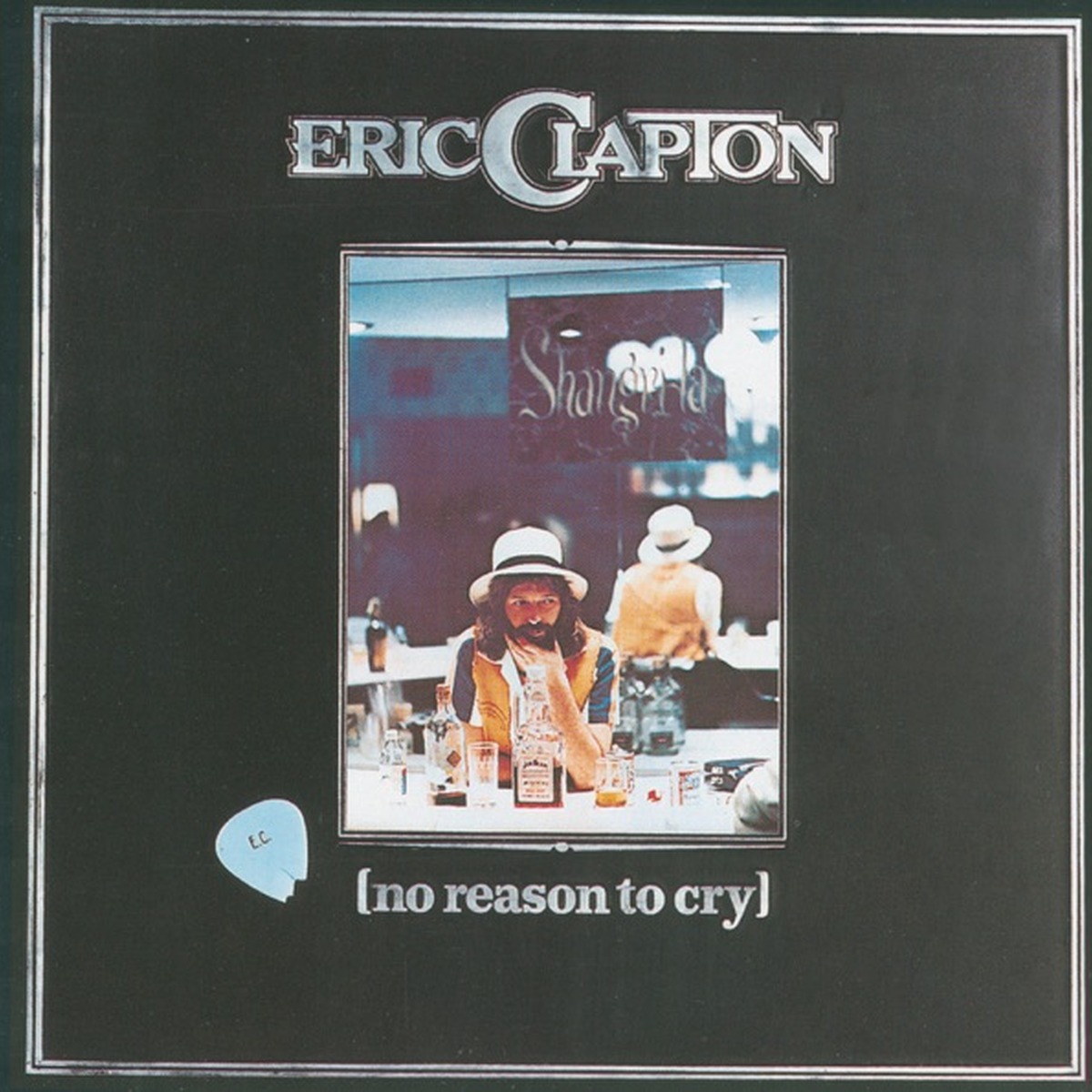
No Reason to Cry
August 27, 1976
Rock, blues

There's One in Every Crowd
March 25, 1975
Blues rock, reggae

461 Ocean Boulevard
July 25, 1974
Blues rock, funk

Clapton Chronicles: The Best of Eric Clapton
October 12, 1970
Rock, hard rock, soft rock

Eric Clapton (album)
August 12, 1970
Rock, blues, blues rock
Musicians / Members connected to Eric Clapton
FAQ about Eric Clapton
What genre is Eric Clapton?
Eric Clapton is commonly associated with Blues, Rock, Pop.
Where is Eric Clapton from?
Eric Clapton is from Ripley, Surrey, England.
How many albums by Eric Clapton are listed on musicOnOff?
musicOnOff currently lists 26 albums by Eric Clapton.
