Depeche Mode
Overview
Depeche Mode is an English electronic band that has been at the forefront of alternative and electronic music since their formation in 1980. Over the years, they have released a plethora of albums and singles that have not only topped the charts but also deeply influenced musicians across various genres. Known for their innovative use of synthesizers, their music has evolved significantly, crossing the boundaries of rock, pop, and electronic. Their longevity in the music industry and ability to adapt and reinvent themselves are testament to their enduring appeal and artistic vision.
The band's origin can be traced back to the quiet town of Basildon, Essex, where they initially emerged as part of the post-punk and new wave movements that swept the UK. As part of the second British Invasion, Depeche Mode found success not only in their home country but also in international markets, particularly in the United States where their albums received critical acclaim and commercial success.
Depeche Mode has a vast discography that showcases their growth both in terms of musical style and lyrical content. From their early synth-pop tracks that encapsulated the youthful exuberance of the 1980s to their later works that delve into darker, more complex themes, the band has maintained a consistent presence in the musical landscape.
Celebrated for their live performances, Depeche Mode has headlined various renowned music festivals and embarked on multiple world tours, demonstrating their expansive global appeal. Their concerts are known for their visual brilliance and energetic performances, consistently drawing large audiences from all corners of the globe.
Formation and Early Years
The formation of Depeche Mode begins with Vince Clarke and Andrew Fletcher, who initially formed a band named 'No Romance in China' in the late 1970s. Soon after, Clarke teamed with Martin Gore, and they created a band called 'French Look,' which was followed by another formation called 'Composition of Sound' once Fletcher joined. These early iterations played a pivotal role in the groundwork for what would eventually become Depeche Mode.
In 1980, David Gahan joined the trio as lead vocalist after Clarke and Fletcher heard him cover a David Bowie song at a local jam session. Gahan's addition brought a distinctive frontman presence to the band, and they adopted the name 'Depeche Mode,' inspired by a French fashion magazine. Different from the conventional guitar-driven bands of the time, Depeche Mode utilized synthesizers as their core instruments, aligning them with the emerging electronic music scene.
Their initial breakthrough came with the single 'Dreaming of Me,' which caught the attention of Daniel Miller, the founder of Mute Records. Impressed by the band's sound, Miller signed them to the label, which led to the release of their debut album 'Speak & Spell' in 1981. The album was a commercial success, largely fueled by the hit single 'Just Can't Get Enough,' an upbeat track that quickly became synonymous with the synth-pop wave of the early ’80s.
Tensions within the band, however, surfaced early on as Vince Clarke, the principal songwriter at that time, decided to leave Depeche Mode shortly after the release of their debut album. Clarke's departure could have spelled the end for the group, but instead, it marked a new beginning as Martin Gore stepped up to become the primary songwriter, guiding the band into a new era.
Career Highlights
After Vince Clarke's departure, Martin Gore took on the primary songwriting duties, leading to a shift in Depeche Mode's musical direction. Their sophomore album, 'A Broken Frame' (1982), showcased a more mature and darker sound. This transformation was crucial in defining the band's unique identity in the music scene.
1984 saw the release of 'Some Great Reward,' an album that brought the band mainstream success. Including hits like 'People Are People' and 'Blasphemous Rumours,' the album also introduced themes of social issues and personal conflicts, which would become a staple in their lyrics. The success of these singles helped the band gain a foothold in the American market.
The late 1980s and early 1990s marked Depeche Mode's ascent to superstar status. Their 1990 album 'Violator' was both a critical and commercial triumph, producing hits such as 'Personal Jesus' and 'Enjoy the Silence,' songs that remain timeless and are considered classics. The innovative production and the perfect blend of electronic and rock elements in 'Violator' epitomized the band's artistic evolution.
The band faced various challenges in the 1990s, including health and addiction issues, yet they continued to release successful albums such as 'Songs of Faith and Devotion' (1993) and 'Ultra' (1997). Despite these struggles, their world tours remained highly successful, further solidifying their status as one of the most influential bands in the world.
Musical Style
Depeche Mode's musical style is characterized by their pioneering use of synthesizers and electronic elements, setting them apart from many of their contemporaries. Their early music is heavily influenced by the electronic and synth-pop sounds of the late '70s and early '80s, with catchy melodies and rhythmic beats that highlighted their ability to create compelling pop songs with synthesizers.
As Martin Gore took over the role of the primary songwriter, the band's music evolved to include darker, more introspective themes. This shift brought a depth to their sound that incorporated elements of alternative rock, industrial, and even gospel overtones. Albums like 'Black Celebration' (1986) showcased this evolution with more complex arrangements and mature lyrical content.
Throughout their career, Depeche Mode has been acclaimed for their innovative production techniques. The band has worked with renowned producers like Flood and Mark 'Spike' Stent, who helped craft their layered and expansive soundscapes. Elements of blues, rock, and even classical music can be found in their work, all seamlessly blended into their underlying electronic foundation.
Despite the diversity in their musical style, certain elements have remained consistent in Depeche Mode's music, such as their emphasis on melody, the baritone vocals of David Gahan, and the meticulous programming and arrangement found in their instrumental tracks. This combination creates a unique sonic signature that is immediately recognizable.
Most Important Albums
Depeche Mode's discography features several albums that have significantly impacted the music industry. One such album is 'Violator' (1990), widely regarded as the band's magnum opus. It fused electronic beats with rock sensibilities, producing hits like 'Personal Jesus' and 'Enjoy the Silence,' and is often cited by fans and critics alike as one of the greatest albums of all time.
Another pivotal work is 'Music for the Masses' (1987), which expanded Depeche Mode's fanbase internationally. The album's title was a tongue-in-cheek comment on the dark and poignant themes it presented, a contrast to its catchy hooks and polished production. Songs like 'Never Let Me Down Again' and 'Strangelove' became live concert staples.
'Songs of Faith and Devotion' (1993) further solidified their legacy, debuting at number one in several countries. The album saw Depeche Mode incorporating elements of gospel and grunge, indicative of their willingness to experiment and explore new sounds. Tracks like 'I Feel You' and 'Walking in My Shoes' displayed a raw energy that resonated with both old and new listeners.
The band's earliest albums, namely 'Speak & Spell' (1981) and 'A Broken Frame' (1982), laid the foundation for their subsequent success. These records, though simpler in production, contained seminal tracks that captured the essence of the early 1980s synth-pop movement and showcased their potential for growth into the more complex compositions seen in later works.
Legacy and Influence
Depeche Mode's influence on the music industry is both wide and deep. As pioneers of the electronic music genre, their work has inspired countless artists and bands across different music styles, ranging from synth-pop to industrial rock. Their ability to blend electronic elements with emotional depth has left an indelible mark on the evolution of modern music.
The band's success opened doors for future electronic bands, elevating the role of synthesizers in music production and changing public perception towards electronic music. This impact is evident in the works of bands like Pet Shop Boys, Nine Inch Nails, and more modern acts such as CHVRCHES and The Killers, who cite Depeche Mode as a major influence.
In addition to their musical contributions, Depeche Mode's innovative music videos and live performances set new standards for visual artistry in the music industry. Collaborations with directors like Anton Corbijn resulted in iconic music videos that added a new dimension to their songs and extended their reach to wider audiences.
Despite the myriad challenges over the decades, including lineup changes and personal struggles, the band's resilience and commitment to their craft have ensured their place as icons in music history. Depeche Mode's ability to reinvent themselves while maintaining their core identity is a testament to their enduring legacy and universal appeal. To this day, they continue to influence a new generation of artists and enthrall fans worldwide with their groundbreaking music.
Albums by Depeche Mode

Memento Mori
March 24, 2023
Synth-Pop, Electropop, Alternative Rock

Spirit
March 17, 2017
Synth-pop, electronic rock, new wave, dance-rock, post-punk, alternative rock, …

Live in Berlin
November 14, 2014
Synth-pop, electronic rock, new wave, dance-rock, post-punk, alternative rock, …

Delta Machine
March 22, 2013
Electropop, industrial
🛍 Shop Music
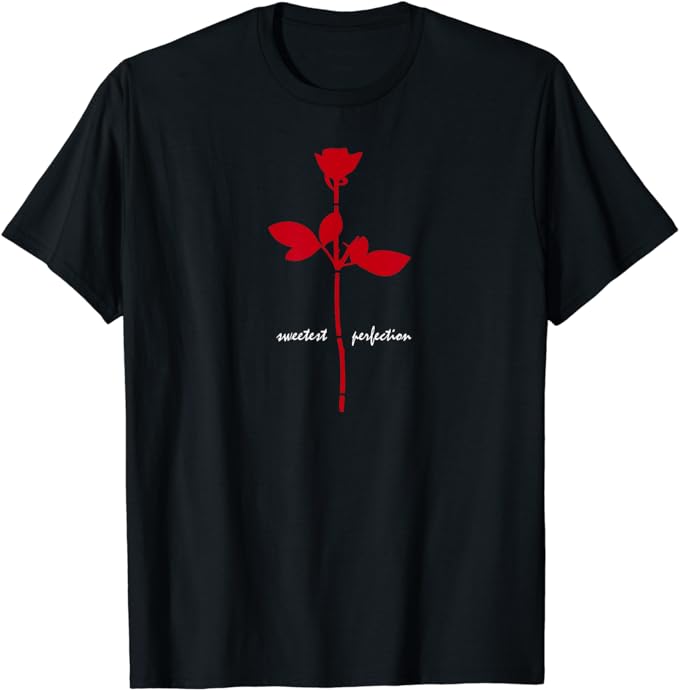

Sounds of the Universe
April 17, 2009
Synth-pop, electro-rock

The Best of Depeche Mode Volume 1
November 08, 2006
Synth-pop, electronic rock, new wave, dance-rock, post-punk, alternative rock, …

Playing the Angel
October 17, 2005
Electronic rock, synth-pop

Exciter (Depeche Mode album)
May 14, 2001
Synth-pop, electronica

Ultra (Depeche Mode album)
April 14, 1997
Alternative rock, trip-hop

Violator
March 19, 1990
Synth-pop, alternative rock, dance, gothic rock

101 (album)
March 13, 1989
Synth-pop, electronic rock, new wave, dance-rock, post-punk, alternative rock, …

Greatest Hits
December 31, 1987
Synth-pop, new wave, dark wave, industrial rock

Music for the Masses
September 28, 1987
Synth-pop, electropop, alternative rock, new wave

Black Celebration
March 17, 1986
Synth-pop, industrial, post-punk

Catching Up with Depeche Mode
November 11, 1985
Synth-pop, electronic rock, new wave, dance-rock, post-punk, alternative rock, …

The Singles 81→85
October 14, 1985
Synth-pop

Some Great Reward
September 24, 1984
Synth-pop, industrial, new wave

Construction Time Again
August 22, 1983
Synth-pop, industrial, new wave
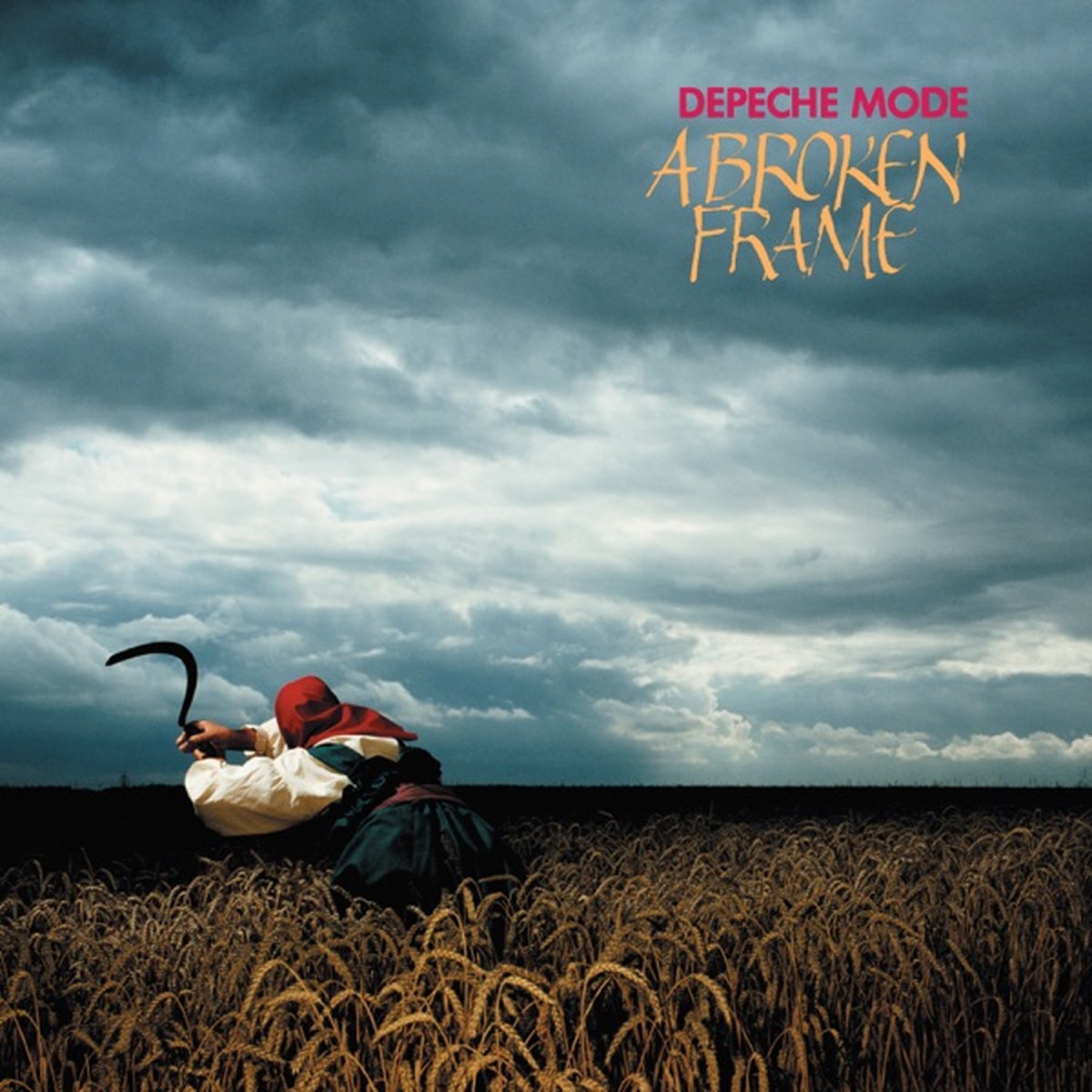
A Broken Frame
September 27, 1982
Synth-pop

Speak & Spell
October 29, 1981
Synth-pop, new wave, electropop
Musicians / Members connected to Depeche Mode


FAQ about Depeche Mode
What genre is Depeche Mode?
Depeche Mode is commonly associated with Electronic, Synth-pop, New Wave, Alternative Rock.
Where is Depeche Mode from?
Depeche Mode is from Basildon, Essex, England.
How many albums by Depeche Mode are listed on musicOnOff?
musicOnOff currently lists 20 albums by Depeche Mode.
