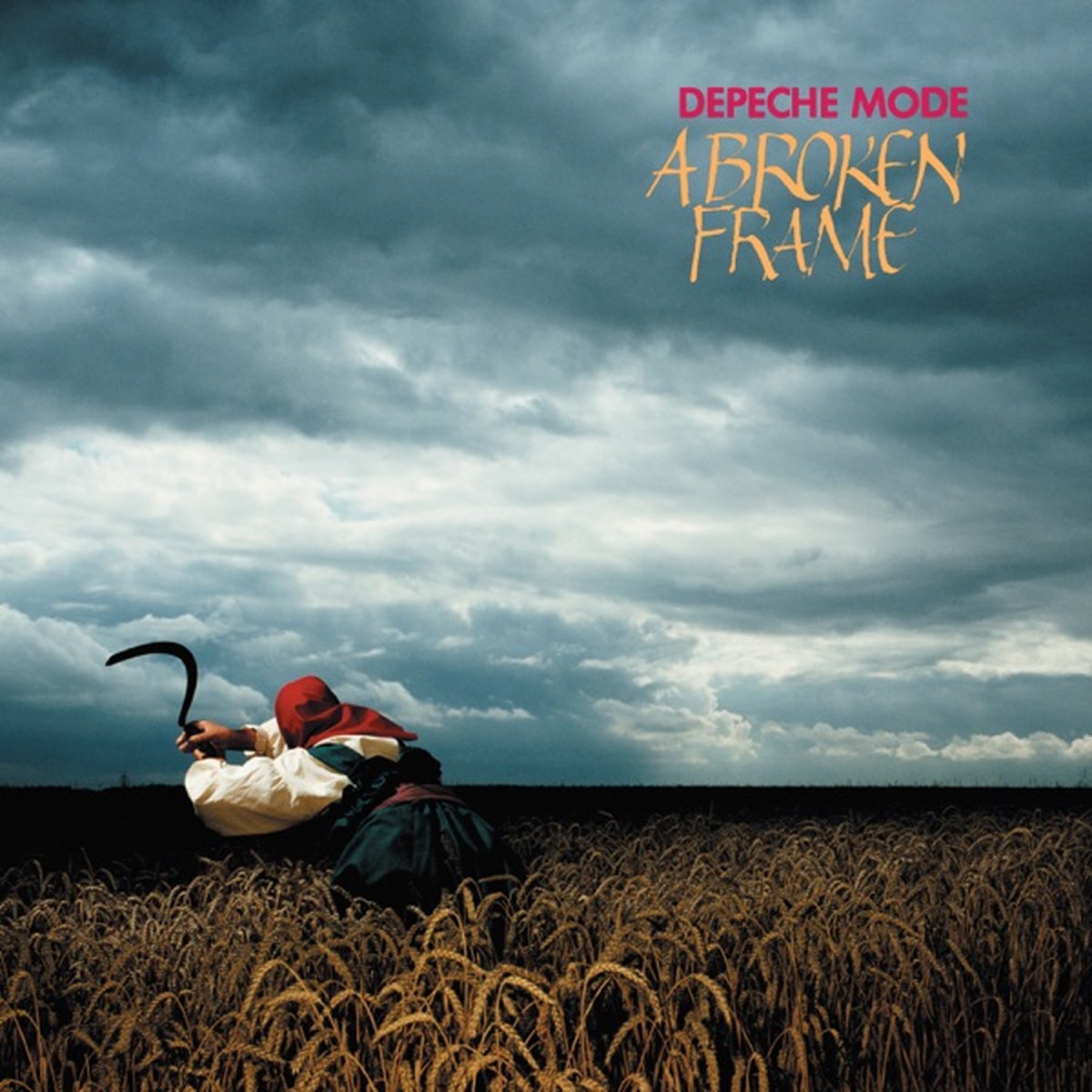
A Broken Frame
by Depeche Mode
Released: September 27, 1982
Synth-pop
Shop Depeche Mode
Amazon affiliate linksWhy This Album Matters
This album matters because its strongest editorial story is: Lineup Change.
The Album
"A Broken Frame" is the second studio album by Depeche Mode, released on 27 September 1982 by Mute Records. Following the departure of Vince Clarke, the band was restructured as a trio, with all tracks written by Martin Gore. A Broken Frame marks a significant transition for Depeche Mode, shifting from the lighter, more optimistic sound of Speak & Spell toward the darker tones that would characterize their later work.
Inside the Recording
Producer Daniel Miller noted that the recording process differed from previous albums, emphasizing a more exploratory approach where Martin Gore provided the lyrics and melody without a fixed vision of the final sound.
Interesting Facts
This openness allowed for the emergence of experimental…
This openness allowed for the emergence of experimental elements, as seen in tracks like "Monument." Miller also highlighted the instrumental "Nothing to Fear," which got its title from a book of prophecies Gore was reading at the time, contributing to a sense of optimism during the album's creation.
While Miller views A Broken Frame as a…
While Miller views A Broken Frame as a transitional and not necessarily the band's best work, he considers it crucial in building confidence and setting the stage for Depeche Mode's future musical direction.
Although Alan Wilder participated in the band's subsequent…
Although Alan Wilder participated in the band's subsequent tour, he did not officially join until later and is not featured on this album.
Essential Tracks
Monument
This openness allowed for the emergence of experimental elements, as seen in tracks like "Monument." Miller also highlighted the instrumental "Nothing to Fear," which got its title from a book of prophecies Gore was reading at the time, contributing to a sense of optimism during the album's creation.
Nothing to Fear
This openness allowed for the emergence of experimental elements, as seen in tracks like "Monument." Miller also highlighted the instrumental "Nothing to Fear," which got its title from a book of prophecies Gore was reading at the time, contributing to a sense of optimism during the album's creation.
Explore the Album
Depeche Mode - A Broken Frame
Open in Albums Gallery
Reception
The album reached number eight on the UK Albums Chart and was supported by the singles "See You," "The Meaning of Love," and "Leave in Silence," which helped solidify Depeche Mode's evolving sound and presence in the music scene.
The Complete Album Story
"A Broken Frame" is the second studio album by Depeche Mode, released on 27 September 1982 by Mute Records. Following the departure of Vince Clarke, the band was restructured as a trio, with all tracks written by Martin Gore. Although Alan Wilder participated in the band's subsequent tour, he did not officially join until later and is not featured on this album.
The album reached number eight on the UK Albums Chart and was supported by the singles "See You," "The Meaning of Love," and "Leave in Silence," which helped solidify Depeche Mode's evolving sound and presence in the music scene.
A Broken Frame marks a significant transition for Depeche Mode, shifting from the lighter, more optimistic sound of Speak & Spell toward the darker tones that would characterize their later work. Producer Daniel Miller noted that the recording process differed from previous albums, emphasizing a more exploratory approach where Martin Gore provided the lyrics and melody without a fixed vision of the final sound. This openness allowed for the emergence of experimental elements, as seen in tracks like "Monument."
Miller also highlighted the instrumental "Nothing to Fear," which got its title from a book of prophecies Gore was reading at the time, contributing to a sense of optimism during the album's creation. While Miller views A Broken Frame as a transitional and not necessarily the band's best work, he considers it crucial in building confidence and setting the stage for Depeche Mode's future musical direction.
More Synth-pop Albums
 Blancmange - Unfurnished Rooms
 Apoptygma Berzerk - SDGXXV
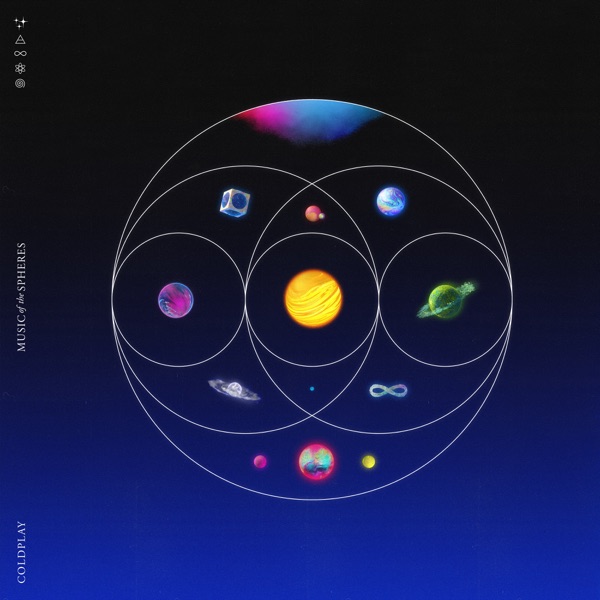 Coldplay - Music of the Spheres
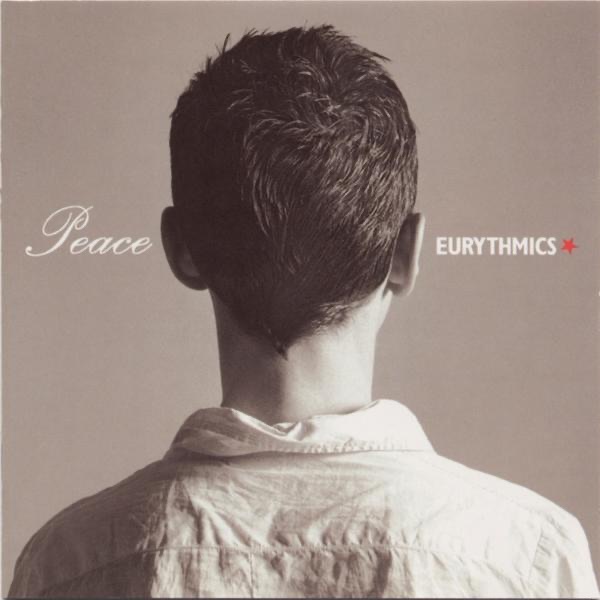 Eurythmics - Peace
 Editors - EBM
 Duran Duran - Seven and the Ragged Tiger
 China Crisis - Flaunt the Imperfection
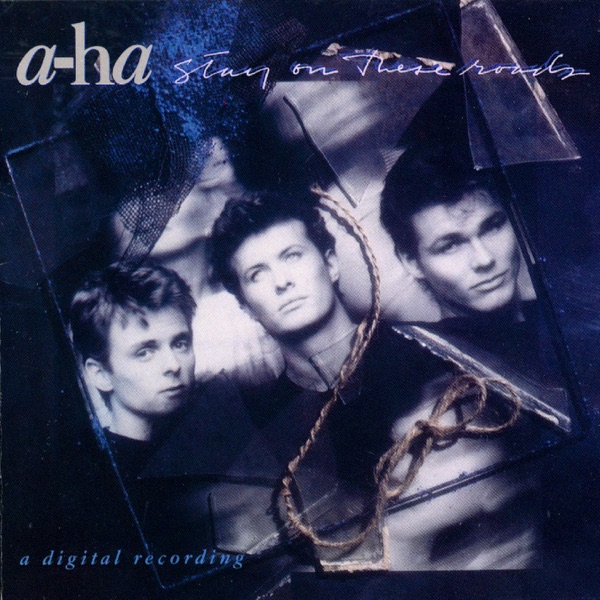 A-Ha - Stay on These Roads
 Orchestral Manoeuvres In The Dark - Junk Culture
 Steve Miller - Abracadabra
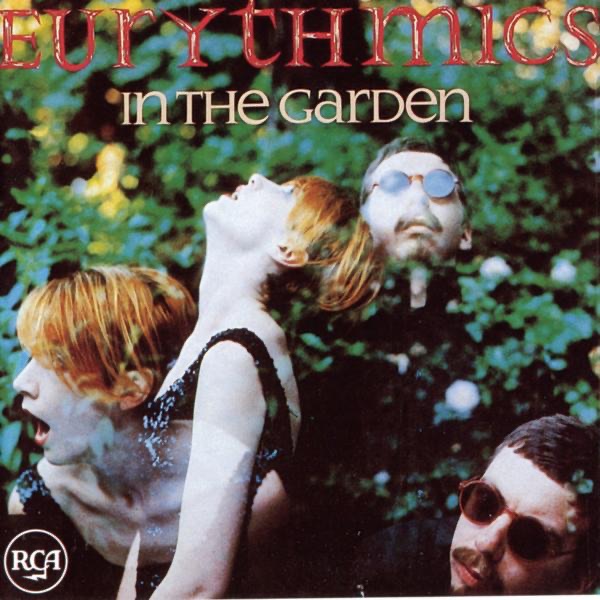 Eurythmics - In the Garden (Eurythmics album)

Join the Conversation
Share your thoughts about this album.
Please log in to add a comment.
No comments yet. Be the first to comment.