Caravan
Overview
Caravan is an influential rock band that originated as part of the Canterbury Scene, a progressive rock movement that emerged in the late 1960s in England. Known for their complex musical arrangements and the melding of rock, jazz, and symphonic elements, Caravan has been a significant influence on the progressive rock genre. Despite numerous lineup changes, the band has maintained a dedicated fanbase and continues to perform and release new music. Over the years, Caravan has built up a diverse discography that has been praised for its musical sophistication and innovation. Their signature sound combines intricate melodies with whimsical and often surreal lyrics. This blend has attracted not only progressive rock enthusiasts but also music lovers from various genres, cementing Caravan's place in rock history. The band's use of varied instrumentation, including keyboards, violins, and flutes, alongside traditional rock instruments, contributes to their distinctive sound. As a result, they have been able to craft a unique musical identity that stands out within the broader context of progressive rock.
Formation and Early Years
Caravan was formed in 1968 in Canterbury, England, emerging from the remnants of a band called The Wilde Flowers, which also included future members of the band Soft Machine. The original lineup consisted of Pye Hastings on guitar and vocals, David Sinclair on keyboards, Richard Sinclair on bass and vocals, and Richard Coughlan on drums. From the outset, Caravan set out to distinguish themselves with a style that combined the emerging progressive rock sound with elements of jazz and classical music. In their early years, the band played extensively around the UK, establishing a reputation for their engaging live performances. They released their self-titled debut album in 1968, which received critical acclaim and laid the groundwork for their future musical explorations. The debut album, characterized by its inventive arrangements and catchy melodies, introduced audiences to Caravan's distinctive sound. During this period, the band also began to gain exposure on the burgeoning college circuit in the UK, where their unique blend of rock and experimental music found a receptive audience.
Career Highlights
Throughout their career, Caravan has experienced both peaks and valleys, with significant commercial success in the early to mid-70s. Their third album, 'In the Land of Grey and Pink' (1971), is often regarded as their masterpiece and a quintessential album of the progressive rock genre. This album, with its adventurous musical ideas and whimsical lyrics, captured the imagination of fans and critics alike. It helped establish the band as a leading force within the Canterbury Scene. Caravan's performances at major festivals, including the 1970 Isle of Wight Festival and the Reading Festival, further solidified their reputation as a live act. The band continued to release albums throughout the 1970s, experimenting with their sound and lineup. Despite facing various challenges and lineup changes, including the departures of David and Richard Sinclair, the band managed to produce a series of well-received records. Albums like 'Waterloo Lily' (1972) and 'For Girls Who Grow Plump in the Night' (1973) showcased their evolution in musical style and continued innovation. Despite waning commercial success in the late 70s, Caravan's influence never diminished, and they reemerged in subsequent decades with various reunions and tours.
Musical Style
Caravan's music is noted for its sophisticated and intricate arrangements, which are a hallmark of the progressive rock genre. They incorporate elements from a wide range of musical traditions, including jazz, folk, and classical, creating a sound that is both eclectic and cohesive. Their use of complex time signatures and extended instrumental passages demonstrates a high level of musicianship. Lyrically, Caravan often explores whimsical and fantastical themes, sometimes incorporating tongue-in-cheek humor. The interplay between Pye Hastings' melodic guitar lines and David Sinclair's keyboard runs is a defining feature of their sound. Richard Sinclair's vocals add a distinctive warmth to their music, while Richard Coughlan's inventive drumming provides a sturdy foundation. This synthesis of diverse elements results in a rich tapestry of sounds that is instantly recognizable to their fans. Additionally, the band's willingness to experiment with unusual instruments, such as the viola, flute, and organ, adds depth and color to their compositions.
Most Important Albums
Caravan's discography is rich with albums that have left a lasting impact on the progressive rock landscape. Their third album, 'In the Land of Grey and Pink', remains a milestone in their career and a favorite among fans for its imaginative songwriting and fusion of genres. Tracks like 'Golf Girl' and the epic 'Nine Feet Underground' showcase the band's incredible range and creativity. Another important release is 'For Girls Who Grow Plump in the Night', which marked a new direction for the band, featuring more structured compositions while retaining their signature sound. 'Waterloo Lily', released in 1972, was notable for its jazz-inflected style, diverging from their earlier work. The live album 'Caravan and the New Symphonia' captured the band's dynamic stage presence and was a testament to their prowess as performers. These albums, among others, highlight the evolution of Caravan's music over the years and underline their significant contributions to the genre of progressive rock.
Legacy and Influence
Caravan's influence on the progressive rock genre and beyond is significant. They are considered pioneers within the Canterbury Scene, helping to define a style that blends rock and jazz with classical and avant-garde elements. Their willingness to experiment and push boundaries has inspired countless musicians, both within and outside the genre. Bands such as Camel, Marillion, and The Flower Kings have acknowledged Caravan's impact on their music. Despite never achieving the same level of commercial success as some of their contemporaries, Caravan's work has endured, finding an audience with each new generation of listeners. Their music is celebrated for its complexity, humor, and innovation, qualities that continue to resonate with fans today. The band's legacy is also preserved through numerous re-releases and compilations, which ensure that their music remains accessible to new audiences. Caravan's enduring appeal lies in their ability to craft music that is both challenging and enjoyable, a testament to their creative vision and musicianship.
Albums by Caravan

It’s None of Your Business
October 08, 2021
Progressive rock, Canterbury scene, psychedelic rock, jazz-rock, progressive pop

The Unauthorised Breakfast Item
December 08, 2003
Progressive rock, Canterbury scene

The Battle of Hastings
September 28, 1995
Progressive rock, Canterbury scene, hard rock

Cool Water
October 17, 1994
Progressive rock

Back to Front (Caravan album)
July 02, 1982
Progressive rock, Canterbury scene

Caravan to Midnight
August 04, 1978
Blues, rock

Better by Far
July 08, 1977
Progressive rock, Canterbury scene, pop rock, soft rock

Blind Dog at St. Dunstans
April 23, 1976
Progressive rock, Canterbury scene

Cunning Stunts (Caravan album)
July 25, 1975
Progressive rock, Canterbury scene

Caravan and the New Symphonia
April 19, 1974
Progressive rock, Canterbury scene

For Girls Who Grow Plump in the Night
October 05, 1973
Progressive rock, Canterbury scene

Waterloo Lily
May 19, 1972
Canterbury scene, progressive rock, jazz fusion
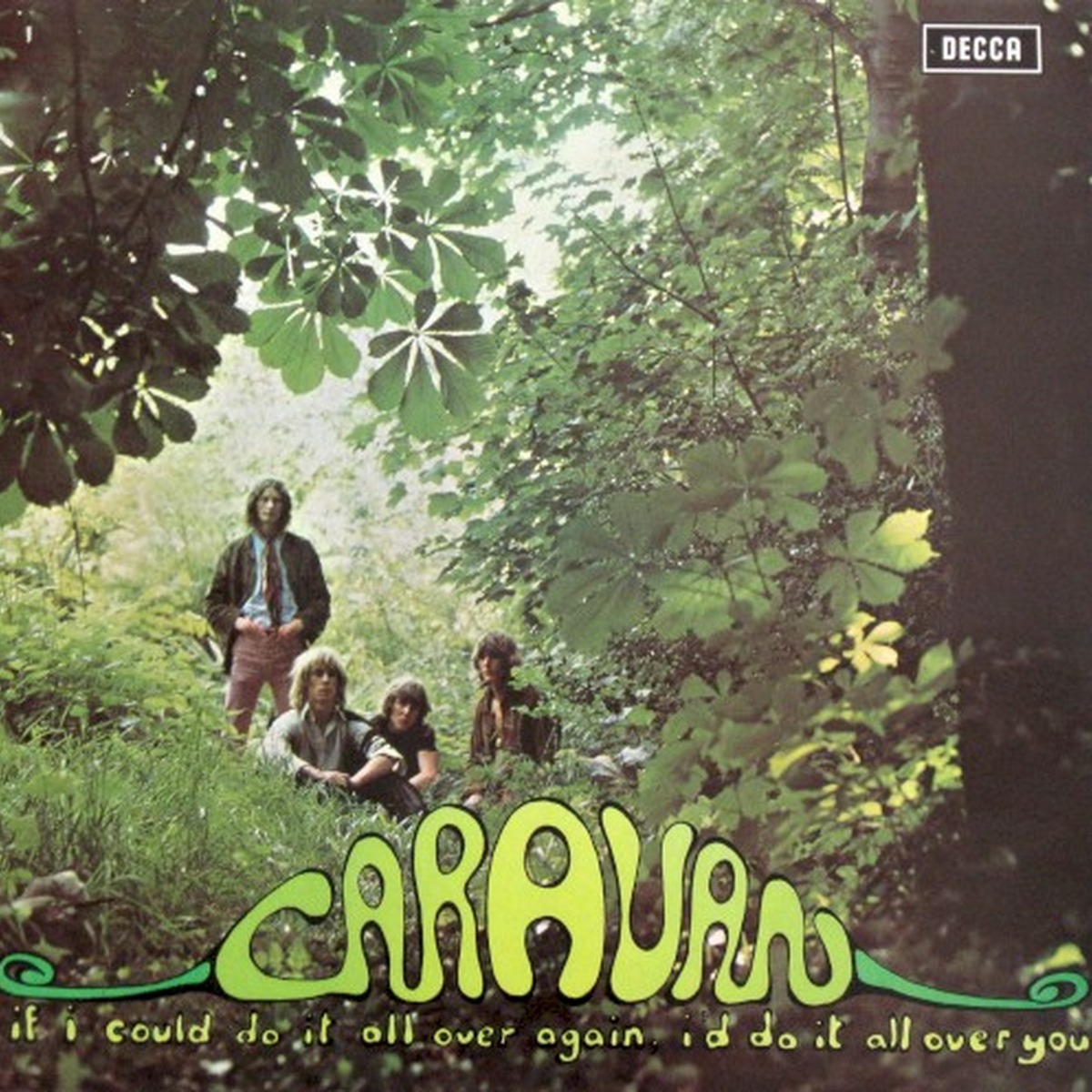
If I Could Do It All Over Again, I'd Do It All Over You
September 04, 1970
Psychedelic rock, Canterbury scene, Progressive rock

Caravan (Caravan album)
January 12, 1969
Psychedelic rock, Canterbury scene
Musicians / Members connected to Caravan


FAQ about Caravan
What genre is Caravan?
Caravan is commonly associated with Progressive rock, Canterbury scene.
Where is Caravan from?
Caravan is from Canterbury, Kent, England.
How many albums by Caravan are listed on musicOnOff?
musicOnOff currently lists 14 albums by Caravan.
