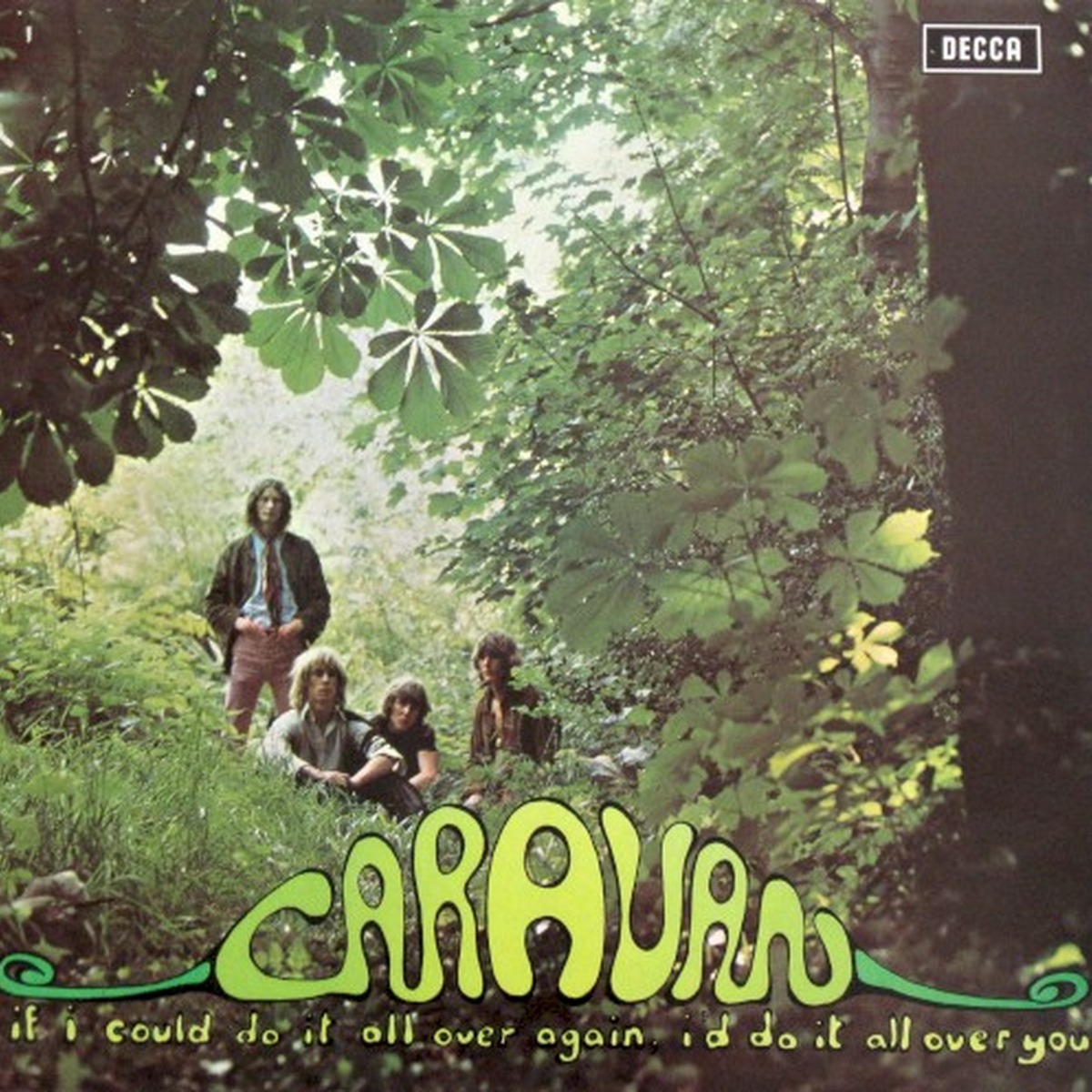
If I Could Do It All Over Again, I'd Do It All Over You
by Caravan
Released: September 04, 1970
Psychedelic rock, Canterbury scene, Progressive rock
Shop Caravan
Amazon affiliate linksWhy This Album Matters
The central hook is directly supported by a contemporary October 1970 Beat Instrumental interview in which Caravan said they wanted to produce themselves, learned recording techniques as they worked, encountered trouble at the mixing stage, and overcame it with remix engineers John Punter and David Grinsted. Pye Hastings independently corroborated the lesson in later first-hand interviews with Progsheet and VWMusic, saying the band had been young and arrogant about producing the second album and later concluded they were probably not the best producers before hiring David Hitchcock for In the Land of Grey and Pink. A separate Richard Sinclair interview published by Marmalade Skies corroborates Robin Sylvester’s major practical influence during the second-album recording. Mark Powell’s Decca/Universal reissue notes preserve Hastings’s recollection that competing demands to make each member’s instrument louder contributed to the mixing difficulty.
The Album
Recording for their second album began at Tangerine Studios on Balls Pond Road, Dalston, London, in September 1969. The band recorded several tracks, but these were set aside as they toured, gaining popularity on the university circuit in Britain and Europe. They reconvened in February of the following year and recorded the album's songs mostly live onto 8-track tape.
Inside the Recording
The band self-produced the sessions, with Robin Sylvester engineering.
Interesting Facts
Hastings invited his brother Jimmy to guest on…
Hastings invited his brother Jimmy to guest on saxophone and flute, which became a regular feature in Caravan's studio work.
Caravan released their debut album, Caravan, in 1969…
Caravan released their debut album, Caravan, in 1969 and gained some live success, appearing on UK and German television early that year.
"If I Could Do It All Over Again…
"If I Could Do It All Over Again, I'd Do It All Over You" is the second album by Canterbury scene band Caravan, released in September 1970.
The album exemplifies the Canterbury scene genre with…
The album exemplifies the Canterbury scene genre with its characteristic organ solos and melodic vocals that define the band's style.
It was released on Decca Records, and the…
It was released on Decca Records, and the title track was also issued as a single.
Essential Tracks
If I Could Do It All Over Again, I'd Do It All Over You
"If I Could Do It All Over Again, I'd Do It All Over You" is the second album by Canterbury scene band Caravan, released in September 1970.
Can't Be Long Now
A highlight of the sessions was the fourteen-minute jazz-rock piece "Can't Be Long Now," which was assembled from various sections contributed by the band.
Explore the Album
Caravan - If I Could Do It All Over Again, I'd Do It All Over You
Open in Albums Gallery
The Complete Album Story
"If I Could Do It All Over Again, I'd Do It All Over You" is the second album by Canterbury scene band Caravan, released in September 1970. The album exemplifies the Canterbury scene genre with its characteristic organ solos and melodic vocals that define the band's style. It was released on Decca Records, and the title track was also issued as a single.
Caravan released their debut album, Caravan, in 1969 and gained some live success, appearing on UK and German television early that year. However, their label, Verve Records, shut down its British operations and dropped the band. Guitarist Pye Hastings later recalled that this situation "left us in limbo." The band regrouped, continued performing live, and eventually found a new manager, Terry King. David Hitchcock, who worked in Decca Records' art department, saw the band perform at the London Lyceum and recommended them to his boss, Hugh Mendl, leading to their signing with Decca.
Recording for their second album began at Tangerine Studios on Balls Pond Road, Dalston, London, in September 1969. The band self-produced the sessions, with Robin Sylvester engineering. Hastings noted that the self-production led to conflicts as each member wanted their instrument to be more prominent. The band recorded several tracks, but these were set aside as they toured, gaining popularity on the university circuit in Britain and Europe. They reconvened in February of the following year and recorded the album's songs mostly live onto 8-track tape.
A highlight of the sessions was the fourteen-minute jazz-rock piece "Can't Be Long Now," which was assembled from various sections contributed by the band. It was listed as "For Richard" on the 1973 live album Caravan and the New Symphonia. Keyboardist David Sinclair composed the basic structure of the piece, while bassist Richard Sinclair wrote the main tune. Hastings invited his brother Jimmy to guest on saxophone and flute, which became a regular feature in Caravan's studio work.
The album cover was photographed by David Jupe in Holland Park, London.
More Psychedelic rock Albums
 Janis Joplin - I Got Dem Ol' Kozmic Blues Again Mama!
 Sixto Rodriguez - Searching for Sugar Man (soundtrack)
 Grateful Dead - Anthem of the Sun
 The Flaming Lips - Zaireeka
 Portishead - Third (Portishead album)
 The Verve - This Is Music: The Singles 92–98
 Small Faces - There Are But Four Small Faces
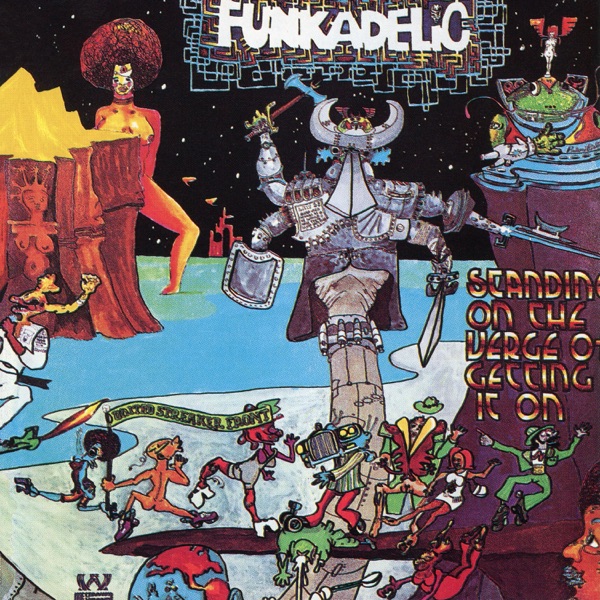 Funkadelic - Standing on the Verge of Getting It On
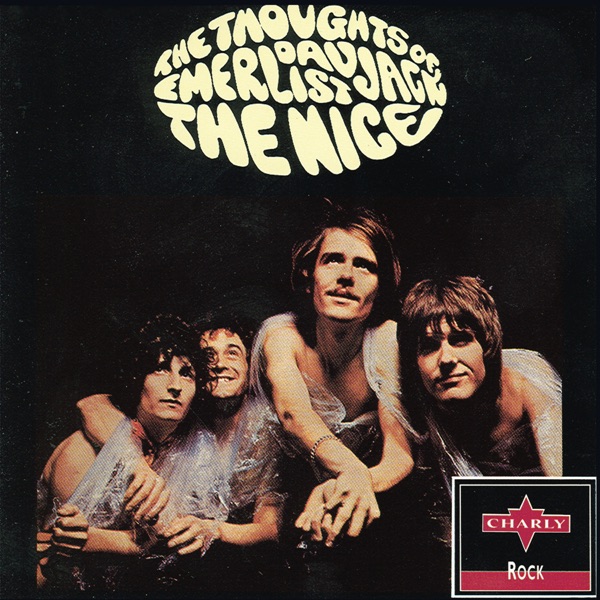 The Nice - The Thoughts of Emerlist Davjack
 Mudhoney - Plastic Eternity
 The Church - The Blurred Crusade
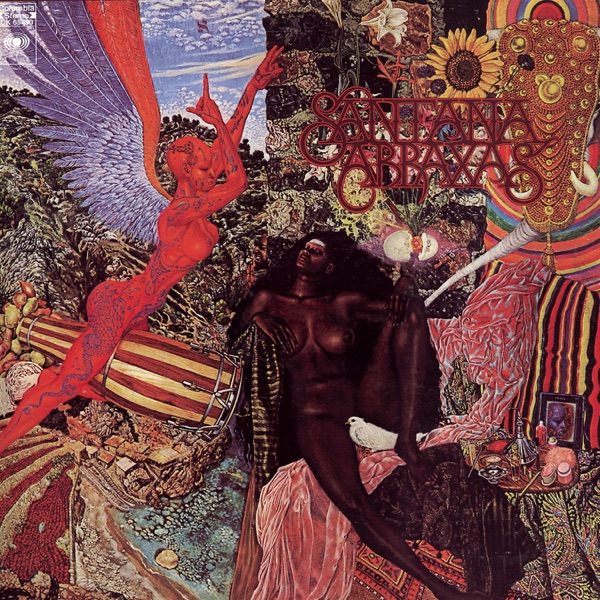 Santana - Abraxas

Join the Conversation
Share your thoughts about this album.
Please log in to add a comment.
No comments yet. Be the first to comment.