Bob Marley and The Wailers
Overview
Bob Marley and The Wailers are a world-renowned reggae band that originated from Jamaica. The band has played a pivotal role in bringing reggae music to an international audience, largely due to the iconic presence and musical genius of its frontman, Bob Marley. With a sound that combines elements of traditional Jamaican music, ska, rocksteady, and reggae, the band has crafted anthems that speak to love, unity, and social justice. Their music is not only a representation of Jamaican culture but also a powerful medium for spreading messages of peace and resistance against oppression. Bob Marley and The Wailers have become synonymous with reggae music, and their legacy continues to influence musicians and activists around the globe.
Formation and Early Years
The band was formed in 1963 under the original name 'The Wailers' by Bob Marley, Bunny Wailer, and Peter Tosh. Initially, the trio was joined by Junior Braithwaite and vocalists Beverley Kelso and Cherry Smith. Their early sound was heavily influenced by ska, a genre that was popular in Jamaica at the time. The Wailers gained local recognition with their 1964 hit single 'Simmer Down,' which became a number one hit in Jamaica. During the mid-1960s, the band underwent several lineup changes and began to develop a deeper, more complex sound. This period was marked by the band's transition from ska to rocksteady and eventually to reggae, which would define their future sound.
Career Highlights
Bob Marley and The Wailers achieved international fame in the early 1970s with albums such as 'Catch a Fire' and 'Burnin',' which were released under Island Records. These albums introduced the world to a unique blend of rock and reggae, highlighting Bob Marley's distinct voice and songwriting prowess. The band's lineup at this time included Aston 'Family Man' Barrett and his brother Carlton Barrett, who provided the backbone of the band's rhythm section. With songs like 'Get Up, Stand Up,' 'I Shot the Sheriff,' and 'No Woman, No Cry,' the band solidified its place in music history. After Bunny Wailer and Peter Tosh left to pursue solo careers, Bob Marley continued to record and perform with the band under the name Bob Marley and The Wailers, achieving further success with albums such as 'Rastaman Vibration,' 'Exodus,' and 'Uprising.'
Musical Style
The music of Bob Marley and The Wailers is characterized by its rhythmic and melodic simplicity, often featuring catchy guitar riffs, steady drum beats, and soulful vocal harmonies. At its core is the unmistakable reggae rhythm, known as the 'one-drop rhythm,' which emphasizes the third beat in each measure. Marley’s lyrics frequently address themes of social justice, love, spirituality, and revolution, reflecting his Rastafarian beliefs and commitment to fighting oppression. The band’s sound is also distinguished by its ability to merge elements of different genres, incorporating influences from R&B, jazz, and rock music to create a sound that is both universally appealing and distinctly Jamaican.
Most Important Albums
Among the essential albums of Bob Marley and The Wailers is 'Exodus,' released in 1977, widely regarded as one of the greatest albums of all time. It includes hits like 'Jamming,' 'Waiting in Vain,' and the titular 'Exodus.' Another significant album is 'Natty Dread,' which marked Marley's first release after the departure of Peter Tosh and Bunny Wailer. 'Natty Dread' features classic tracks such as 'No Woman, No Cry' and 'Lively Up Yourself.' The live album 'Babylon by Bus' captures the vitality and energy of the band's performances, showcasing their ability to mesmerize audiences around the world. 'Legend,' a posthumous greatest hits compilation, remains one of the best-selling reggae albums of all time, cementing the band’s timeless appeal.
Legacy and Influence
The legacy of Bob Marley and The Wailers is monumental, as they have transformed reggae music into a global phenomenon. Marley's music continues to resonate with new generations, not only due to its catchy rhythms but also because of its powerful messages of unity, resistance, and hope. The band has influenced countless artists across various genres, including rock, hip-hop, and pop. Reggae’s global reach can be attributed in no small part to the work of Marley and his bandmates, who embedded the sounds of Jamaica into the fabric of popular music. Even decades after Bob Marley’s passing, the band’s music remains a symbol of the fight against social injustice and continues to inspire people worldwide.
Albums by Bob Marley and The Wailers

Chances Are
October 20, 1981
Reggae

Survival
October 02, 1979
Reggae

Babylon by Bus
November 10, 1978
Reggae

Kaya
March 23, 1978
Reggae

Rastaman Vibration
April 30, 1976
Reggae

Live!
December 05, 1975
Reggae
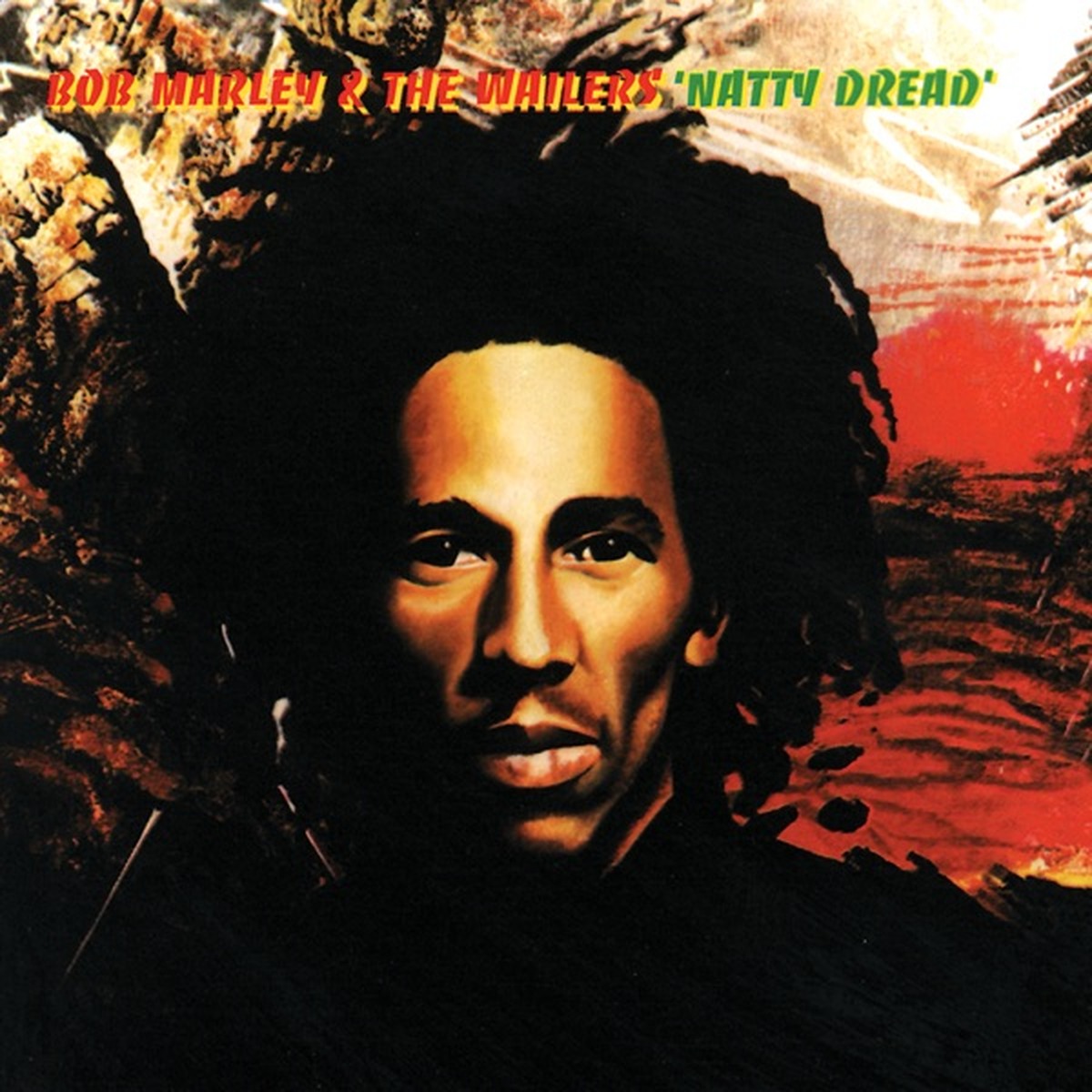
Natty Dread
October 25, 1974
Reggae, reggae rock

Burnin'
October 19, 1973
Reggae

Catch a Fire
April 13, 1973
Reggae, reggae rock

Soul Revolution Part II
April 19, 1971
Reggae

Soul Rebels
December 19, 1970
Reggae

The Wailing Wailers
November 19, 1965
Ska
Musicians / Members connected to Bob Marley and The Wailers


FAQ about Bob Marley and The Wailers
What genre is Bob Marley and The Wailers?
Bob Marley and The Wailers is commonly associated with Reggae, Ska.
Where is Bob Marley and The Wailers from?
Bob Marley and The Wailers is from Kingston, Jamaica.
How many albums by Bob Marley and The Wailers are listed on musicOnOff?
musicOnOff currently lists 12 albums by Bob Marley and The Wailers.
