
Waiting for the Moon (album)
by Tindersticks
Released: June 17, 2003
Chamber pop
Shop Tindersticks
Amazon affiliate linksWhy This Album Matters
This album matters because its strongest editorial story is: Lineup Change.
The Album
Recorded over a span of several months between September 2001 and January 2003 at locations including Great Linford Manor and Eastcote, as well as various home studios, the album captures a transitional period for the band. It marks the final release before Tindersticks' extended hiatus and subsequent lineup changes. "Waiting for the Moon" is the sixth studio album by Tindersticks, released in 2003 on the Beggar's Banquet label.
Essential Tracks
Waiting For The Moon
Critically, "Waiting for the Moon" received mixed reactions, with band member David Boulter expressing his dissatisfaction with it, noting a sense of lost direction and a decline in the band's creative energy over the past couple of albums.
Explore the Album
Tindersticks - Waiting for the Moon (album)
Open in Albums Gallery
Reception
Critically, "Waiting for the Moon" received mixed reactions, with band member David Boulter expressing his dissatisfaction with it, noting a sense of lost direction and a decline in the band's creative energy over the past couple of albums. Despite internal criticisms, the album retains a distinct place in Tindersticks' discography, reflecting their signature blend of chamber pop, orchestral arrangements, and melancholic themes.
The Complete Album Story
"Waiting for the Moon" is the sixth studio album by Tindersticks, released in 2003 on the Beggar's Banquet label. Recorded over a span of several months between September 2001 and January 2003 at locations including Great Linford Manor and Eastcote, as well as various home studios, the album captures a transitional period for the band. It marks the final release before Tindersticks' extended hiatus and subsequent lineup changes.
Critically, "Waiting for the Moon" received mixed reactions, with band member David Boulter expressing his dissatisfaction with it, noting a sense of lost direction and a decline in the band's creative energy over the past couple of albums. Despite internal criticisms, the album retains a distinct place in Tindersticks' discography, reflecting their signature blend of chamber pop, orchestral arrangements, and melancholic themes.
More Chamber pop Albums
 Randy Newman - Nilsson Sings Newman
 Tindersticks - Distractions
 Elliott Smith - Figure 8
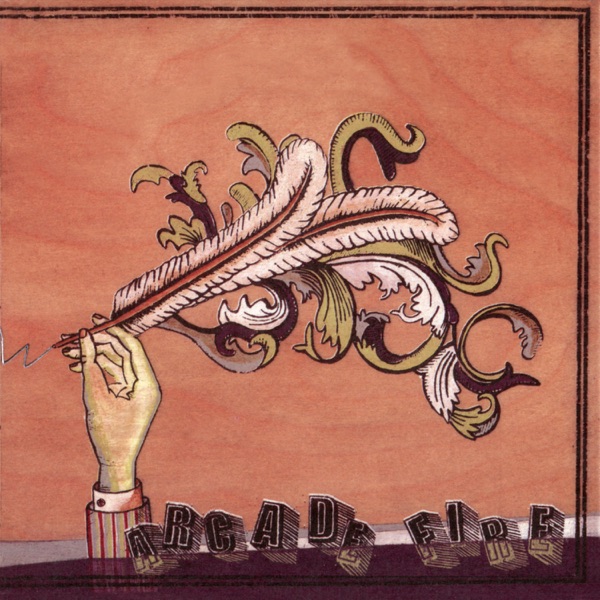 Arcade Fire - Funeral
 Tindersticks - Tindersticks (1995 album)
 Tindersticks - Nénette et Boni (soundtrack)
 Fiona Apple - Tidal
 Tori Amos - In Times of Dragons

Join the Conversation
Share your thoughts about this album.
Please log in to add a comment.
No comments yet. Be the first to comment.