
Urban Hymns
by The Verve
Released: September 29, 1997
Britpop, indie rock, orchestral rock, psychedelia, post-Britpop
Shop The Verve
Amazon affiliate linksWhy This Album Matters
This album matters because its strongest editorial story is: Recording Conflict.
The Album
Frontman Richard Ashcroft recorded demos in Bath, and guitarist Simon Tong joined the lineup. Following the band's breakup while promoting their previous album, A Northern Soul, they reformed without guitarist Nick McCabe. "Urban Hymns" is the third studio album by The Verve, released on September 29, 1997, on Hut Records.
Inside the Recording
The band faced several false starts in recording with producers John Leckie and Owen Morris before bringing in Martin "Youth" Glover and engineer Chris Potter.
Interesting Facts
Initial promotional efforts included a performance at the…
Initial promotional efforts included a performance at the Phoenix Festival and a supporting slot for Oasis in Scotland, but tensions within the band escalated, culminating in frontman Richard Ashcroft announcing his departure during their set at T in the Park in August 1995.
In early 1997, Ashcroft invited McCabe back into…
In early 1997, Ashcroft invited McCabe back into the band, leading to the re-recording of several tracks to incorporate his guitar work.
The album's lead single, "Bitter Sweet Symphony," released…
The album's lead single, "Bitter Sweet Symphony," released in June 1997, gained notoriety due to a dispute over its sample credits but became a significant hit.
Its singles, especially "The Drugs Don't Work," became…
Its singles, especially "The Drugs Don't Work," became significant hits, with "Bitter Sweet Symphony" often cited as a defining anthem of the Britpop era.
Despite the band's subsequent breakup, Urban Hymns remains…
Despite the band's subsequent breakup, Urban Hymns remains a seminal work in the genre, capturing a unique blend of their early sound and newfound maturity.
Essential Tracks
Bitter Sweet Symphony
The album's lead single, "Bitter Sweet Symphony," released in June 1997, gained notoriety due to a dispute over its sample credits but became a significant hit.
The Drugs Don't Work
It was followed by "The Drugs Don't Work," which reached number one in the UK, and "Lucky Man," both of which contributed to the album's acclaim.
Lucky Man
It was followed by "The Drugs Don't Work," which reached number one in the UK, and "Lucky Man," both of which contributed to the album's acclaim.
Explore the Album
The Verve - Urban Hymns
Open in Albums Gallery
Reception
Urban Hymns received widespread critical praise, with reviewers highlighting Ashcroft's songwriting and the band's evolution. The Verve released their second studio album, A Northern Soul, in July 1995 through Hut Records, where it peaked at number 13 on the UK Albums Chart. The album topped charts in multiple countries, becoming the fifth fastest-selling album in the UK, and has been certified 11-times platinum.
Legacy
At the 1998 Brit Awards, the album won Best Album, and it has since been included in numerous best-of lists, recognized for its impact on the Britpop movement and its influence on later bands like Travis.
The Complete Album Story
"Urban Hymns" is the third studio album by The Verve, released on September 29, 1997, on Hut Records. Following the band's breakup while promoting their previous album, A Northern Soul, they reformed without guitarist Nick McCabe. Frontman Richard Ashcroft recorded demos in Bath, and guitarist Simon Tong joined the lineup. The band faced several false starts in recording with producers John Leckie and Owen Morris before bringing in Martin "Youth" Glover and engineer Chris Potter.
In early 1997, Ashcroft invited McCabe back into the band, leading to the re-recording of several tracks to incorporate his guitar work. The album's lead single, "Bitter Sweet Symphony," released in June 1997, gained notoriety due to a dispute over its sample credits but became a significant hit. It was followed by "The Drugs Don't Work," which reached number one in the UK, and "Lucky Man," both of which contributed to the album's acclaim.
Urban Hymns received widespread critical praise, with reviewers highlighting Ashcroft's songwriting and the band's evolution. The album topped charts in multiple countries, becoming the fifth fastest-selling album in the UK, and has been certified 11-times platinum. Its singles, especially "The Drugs Don't Work," became significant hits, with "Bitter Sweet Symphony" often cited as a defining anthem of the Britpop era.
At the 1998 Brit Awards, the album won Best Album, and it has since been included in numerous best-of lists, recognized for its impact on the Britpop movement and its influence on later bands like Travis. Despite the band's subsequent breakup, Urban Hymns remains a seminal work in the genre, capturing a unique blend of their early sound and newfound maturity.
The Verve released their second studio album, A Northern Soul, in July 1995 through Hut Records, where it peaked at number 13 on the UK Albums Chart. The album featured three singles: "This Is Music," "On Your Own," and "History," with "History" achieving the highest chart position at number 24.
The album's release coincided with a cultural shift in the 1990s, marked by the rise of the "new lad" culture, influenced by publications like Loaded and the broader acceptance of Britpop. Initial promotional efforts included a performance at the Phoenix Festival and a supporting slot for Oasis in Scotland, but tensions within the band escalated, culminating in frontman Richard Ashcroft announcing his departure during their set at T in the Park in August 1995.
Despite the announcement being interpreted as a breakup, bassist Simon Jones characterized it more as an argument. At the time of the news, Ashcroft was away camping in Cornwall and couldn't be reached by the press. Unlike the others, he was unfazed about his future, as he was recognized as the main songwriter and seen as a strong candidate for a solo career. Following the split, Ashcroft moved between various temporary living situations and began contemplating new musical directions, even expressing interest in forming a new band.
However, within weeks of the breakup, he rekindled collaborations with Jones and drummer Peter Salisbury, leading to speculation that the reported breakup was a strategy to remove guitarist Nick McCabe from the band dynamic. This period set the stage for the band's eventual reunion and the evolution of their sound in the subsequent album, Urban Hymns. If you're curious about specific aspects or tracks from either album, let me know!
More Britpop Albums
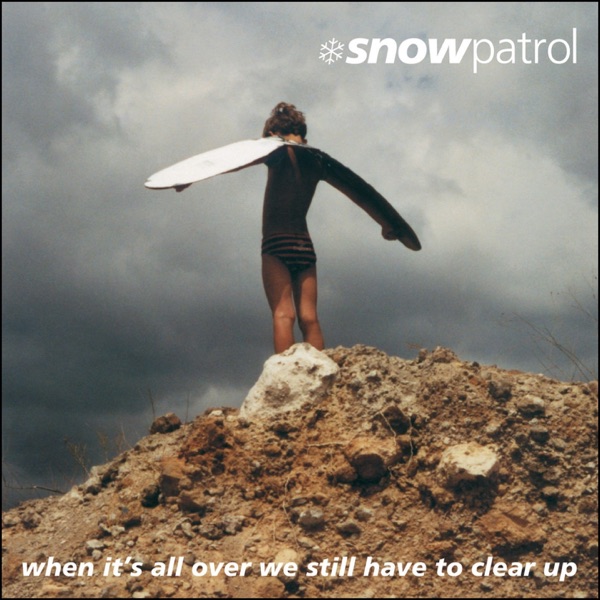 Snow Patrol - When It's All Over We Still Have to Clear Up
 Nik Kershaw - Ei8ht
 Manic Street Preachers - This Is My Truth Tell Me Yours
 Oasis - Definitely Maybe
 Coldplay - A Rush of Blood to the Head
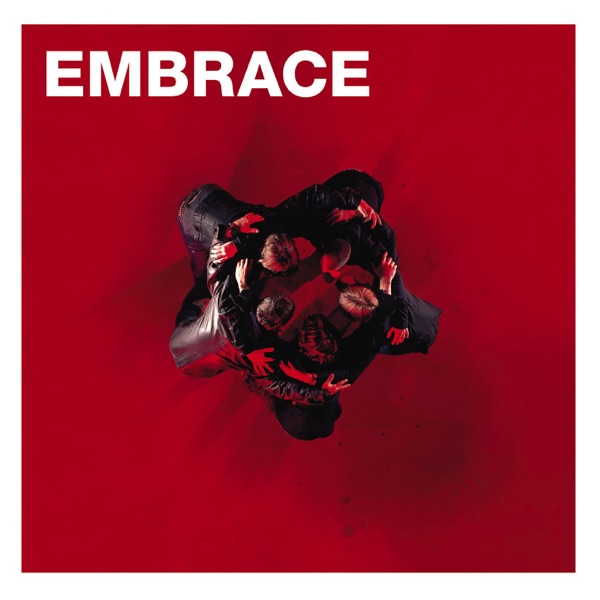 Embrace - Out of Nothing
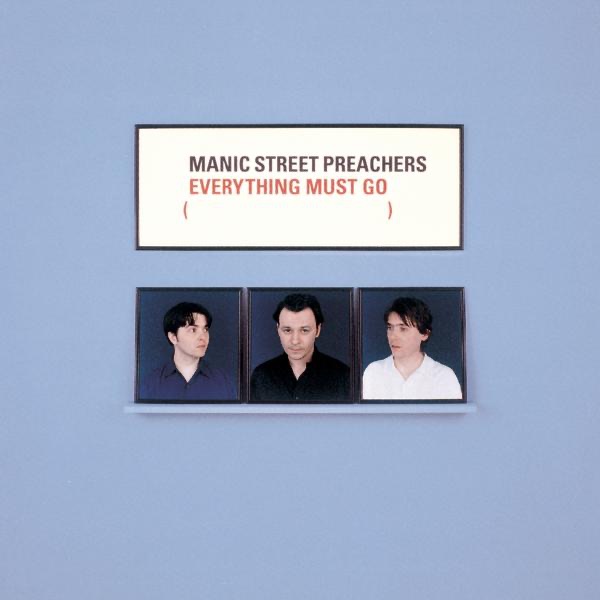 Manic Street Preachers - Everything Must Go
 Morrissey - Your Arsenal
 Wet Leg - Wet Leg (album)

Join the Conversation
Share your thoughts about this album.
Please log in to add a comment.
No comments yet. Be the first to comment.