
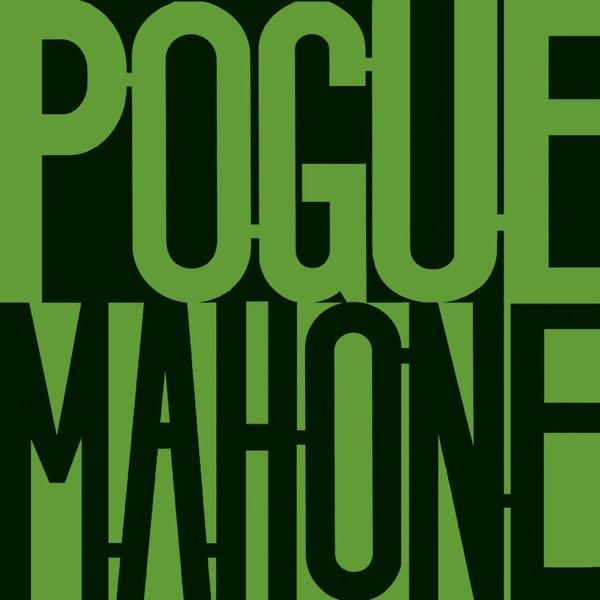
Pogue Mahone
by The Pogues
Released: February 27, 1996
Celtic rock
Shop The Pogues
Amazon affiliate linksWhy This Album Matters
This album matters because its strongest editorial story is: Genre Shift.
The Album
The album marks a significant departure from The Pogues' earlier work, as it is the band's first album without their original lead singer, Shane MacGowan. "Pogue Mahone" is the seventh studio album by the Irish-British Celtic punk band The Pogues, released in 1995. The title of the album is derived from the Irish phrase "póg mo thóin," which translates to "kiss my arse" in English.
Interesting Facts
"Pogue Mahone" features Spider Stacy taking over lead…
"Pogue Mahone" features Spider Stacy taking over lead vocals for the majority of the songs, with other members of the band also contributing vocals.
The album maintains The Pogues' signature blend of…
The album maintains The Pogues' signature blend of punk rock and traditional Irish folk music, but it also incorporates elements of alternative rock and country music.
Lyrically, "Pogue Mahone" explores themes of love, loss…
Lyrically, "Pogue Mahone" explores themes of love, loss, and longing, with the band's characteristic wit and irreverence shining through in songs like "Drunken Boat" and "Amadie." The album also includes a cover of the Tom Waits song "I'll Be Your Baby Tonight," showcasing The Pogues' ability to put their own spin on classic tunes.
Overall, "Pogue Mahone" is a solid effort from…
Overall, "Pogue Mahone" is a solid effort from The Pogues that showcases the band's versatility and musicality, even in the absence of their iconic frontman.
While it may not reach the heights of…
While it may not reach the heights of their classic albums, it remains a worthwhile addition to The Pogues' discography and a testament to their enduring influence in the world of Celtic punk music.
Essential Tracks
Amadie
Lyrically, "Pogue Mahone" explores themes of love, loss, and longing, with the band's characteristic wit and irreverence shining through in songs like "Drunken Boat" and "Amadie." The album also includes a cover of the Tom Waits song "I'll Be Your Baby Tonight," showcasing The Pogues' ability to put their own spin on classic tunes.
Explore the Album
The Pogues - Pogue Mahone
Open in Albums Gallery
Reception
Despite this, the album was a commercial success, reaching the top 10 in several countries. Upon its release, "Pogue Mahone" received mixed reviews from critics, with some praising the band's continued energy and vitality, while others felt that the absence of MacGowan's distinctive voice was a detriment to the album.
The Complete Album Story
"Pogue Mahone" is the seventh studio album by the Irish-British Celtic punk band The Pogues, released in 1995. The title of the album is derived from the Irish phrase "póg mo thóin," which translates to "kiss my arse" in English. The album marks a significant departure from The Pogues' earlier work, as it is the band's first album without their original lead singer, Shane MacGowan.
"Pogue Mahone" features Spider Stacy taking over lead vocals for the majority of the songs, with other members of the band also contributing vocals. The album maintains The Pogues' signature blend of punk rock and traditional Irish folk music, but it also incorporates elements of alternative rock and country music.
Lyrically, "Pogue Mahone" explores themes of love, loss, and longing, with the band's characteristic wit and irreverence shining through in songs like "Drunken Boat" and "Amadie." The album also includes a cover of the Tom Waits song "I'll Be Your Baby Tonight," showcasing The Pogues' ability to put their own spin on classic tunes.
Upon its release, "Pogue Mahone" received mixed reviews from critics, with some praising the band's continued energy and vitality, while others felt that the absence of MacGowan's distinctive voice was a detriment to the album. Despite this, the album was a commercial success, reaching the top 10 in several countries.
Overall, "Pogue Mahone" is a solid effort from The Pogues that showcases the band's versatility and musicality, even in the absence of their iconic frontman. While it may not reach the heights of their classic albums, it remains a worthwhile addition to The Pogues' discography and a testament to their enduring influence in the world of Celtic punk music.
More Celtic rock Albums
 The Pogues - Peace and Love (The Pogues album)
 The Pogues - Essential Pogues
 Big Country - The Buffalo Skinners
 Big Country - The Seer
 The Pogues - The Best of The Pogues
 Big Country - The Journey
 The Pogues - If I Should Fall from Grace with God
 The Waterboys - Room to Roam
 Skids - Joy
 Big Country - Peace in Our Time

Join the Conversation
Share your thoughts about this album.
Please log in to add a comment.
No comments yet. Be the first to comment.