
Joy
by Skids
Released: November 20, 1981
Post-punk, Celtic rock, folk rock
Shop Skids
Amazon affiliate linksWhy This Album Matters
This album matters because its strongest editorial story is: Lineup Change.
The Album
The band’s lineup for Joy included Richard Jobson (vocals), Russell Webb (bass), J. J. Johnson (drums and percussion), Paul Wishart (saxophone, flute, keyboards, percussion, and vocals), along with several musical guests. "Joy" is the fourth studio album by Scottish punk rock and new wave band Skids, released in November 1981. It marked a significant change in direction for the band, as it was their first album after the departure of guitarist Stuart Adamson, who went on to form Big Country.
Inside the Recording
The second single, “Iona,” was named after the Scottish island and was the only track on the album recorded at Highland Studios in Inverness, Scotland.
Interesting Facts
The song introduced a new musical direction for…
The song introduced a new musical direction for the band, with strummed guitars, marching band elements, and bagpipe-like emulations, which were a departure from their earlier punk roots.
Though the album had limited success at the…
Though the album had limited success at the time, it would later find new life in reissues.
The album sought to update traditional Scottish folk…
The album sought to update traditional Scottish folk music with modern rock arrangements, moving away from the electric guitar-driven rock of their earlier albums.
Musically, Joy marked a significant shift towards a…
Musically, Joy marked a significant shift towards a more pastoral sound compared to the band’s previous work.
The album moved away from the band's previous…
The album moved away from the band's previous punk rock sound and incorporated more folk influences, amplifying the traditional Scottish elements that had been hinted at in their earlier releases.
Essential Tracks
Iona
The second single, “Iona,” was named after the Scottish island and was the only track on the album recorded at Highland Studios in Inverness, Scotland.
And The Band Played Waltzing Matilda
One of the album’s notable covers is “And the Band Played Waltzing Matilda,” a song written by Eric Bogle, which features Paul Wishart on saxophone.
Fields
The first single from the album, “Fields,” was released in August 1981.
Explore the Album
Skids - Joy
Open in Albums Gallery
Reception
Critical reception was mixed, and the band broke up the following year.
The Complete Album Story
"Joy" is the fourth studio album by Scottish punk rock and new wave band Skids, released in November 1981. It marked a significant change in direction for the band, as it was their first album after the departure of guitarist Stuart Adamson, who went on to form Big Country. The album moved away from the band's previous punk rock sound and incorporated more folk influences, amplifying the traditional Scottish elements that had been hinted at in their earlier releases. This would be the band's final album until Burning Cities was released over 36 years later.
The band’s lineup for Joy included Richard Jobson (vocals), Russell Webb (bass), J. J. Johnson (drums and percussion), Paul Wishart (saxophone, flute, keyboards, percussion, and vocals), along with several musical guests. They rehearsed at Britannia Row Studios in London.
The first single from the album, “Fields,” was released in August 1981. The track featured Kenny Hyslop on drums, along with guest appearances by Billy MacKenzie (vocals) and Alan Rankine (guitar) from The Associates, and Virginia Astley (flute). The song introduced a new musical direction for the band, with strummed guitars, marching band elements, and bagpipe-like emulations, which were a departure from their earlier punk roots. The song retained the band's signature energetic vocal style but reflected a more folk-infused sound.
The second single, “Iona,” was named after the Scottish island and was the only track on the album recorded at Highland Studios in Inverness, Scotland. Released in October 1981, this single marked the last recording with Stuart Adamson and featured contributions from Mike Oldfield. The single edit was much shorter than the album version.
Musically, Joy marked a significant shift towards a more pastoral sound compared to the band’s previous work. The album sought to update traditional Scottish folk music with modern rock arrangements, moving away from the electric guitar-driven rock of their earlier albums. The lyrical themes explored strife, war, and brotherhood, which had been recurring motifs in Richard Jobson's songwriting.
One of the album’s notable covers is “And the Band Played Waltzing Matilda,” a song written by Eric Bogle, which features Paul Wishart on saxophone.
Despite the band’s efforts, Joy did not receive strong promotion, and Virgin Records' lack of support led to the album's commercial failure. The band recorded a BBC Radio 1 session and shot a music video for “Iona,” but due to insufficient coverage, the album struggled to gain traction. Critical reception was mixed, and the band broke up the following year.
Though the album had limited success at the time, it would later find new life in reissues. It was not released on CD until 2016, though an MP3 version with several alternate mixes was made available in 2009. Joy was also included in the 2016 Skids – The Virgin Years 6-CD box set.
After the breakup of Skids, Richard Jobson and Russell Webb went on to form The Armoury Show, which also featured John McGeoch and John Doyle from the band Magazine.
More Post-punk Albums
 Coriky - Coriky (album)
 Killing Joke - Hosannas from the Basements of Hell
 Faith No More - We Care a Lot
 Gang of Four - Return the Gift
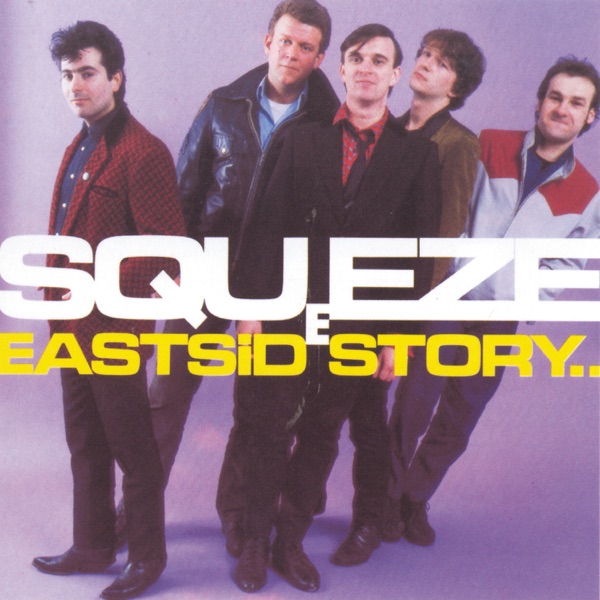 Squeeze - East Side Story
 The Automatic - This Is a Fix
 Half Man Half Biscuit - The Trumpton Riots EP
 She Wants Revenge - This Is Forever
 Weezer - Hurley
 The Associates - The Affectionate Punch

Join the Conversation
Share your thoughts about this album.
Please log in to add a comment.
No comments yet. Be the first to comment.