
Days of Future Passed
by The Moody Blues
Released: November 17, 1967
Art rock, progressive rock, psychedelic rock, baroque pop, symphonic prog
Shop The Moody Blues
Amazon affiliate linksWhy This Album Matters
This album matters because its strongest editorial story is: Lineup Change.
The Album
This shift was partly due to the introduction of new band members—guitarist and vocalist Justin Hayward and bassist John Lodge—who replaced Denny Laine and Clint Warwick. The album marked a significant shift in the band's musical direction, blending original songs with orchestral interludes. With Hayward and Lodge onboard, the band moved away from their earlier rhythm and blues style toward a more complex and original approach to songwriting.
Inside the Recording
The album was also the first collaboration with producer Tony Clarke, whose guidance played a crucial role in shaping the band's new sound.
Interesting Facts
One of the key innovations on the album…
One of the key innovations on the album was the use of the Mellotron, an early keyboard instrument that could reproduce orchestral sounds through tape loops.
Played by Mike Pinder, the Mellotron allowed the…
Played by Mike Pinder, the Mellotron allowed the band to incorporate symphonic elements into their music, complementing Ray Thomas' flute and giving the album a distinctive classical-rock fusion.
The album’s concept revolves around the passage of…
The album’s concept revolves around the passage of a single day in the life of an ordinary person, with each song representing a different moment or emotion.
Despite a modest initial reception, Days of Future…
Despite a modest initial reception, Days of Future Passed gained significant traction over time, especially through its hit single "Nights in White Satin," which received extensive FM radio airplay.
By 1972, the album had become a top-ten…
By 1972, the album had become a top-ten hit in the U.S. and has since been recognized as one of the most important albums of 1967.
Essential Tracks
Nights In White Satin
Despite a modest initial reception, Days of Future Passed gained significant traction over time, especially through its hit single "Nights in White Satin," which received extensive FM radio airplay.
Explore the Album
The Moody Blues - Days of Future Passed
Open in Albums Gallery
Legacy
"Days of Future Passed" is the second studio album by The Moody Blues, released in 1967, and is widely regarded as one of the earliest examples of progressive rock as well as one of the first rock concept albums. This approach to combining rock with orchestral arrangements, conducted by Peter Knight, was a major departure from traditional rock music at the time and helped define the band's sound in the years that followed.
The Complete Album Story
"Days of Future Passed" is the second studio album by The Moody Blues, released in 1967, and is widely regarded as one of the earliest examples of progressive rock as well as one of the first rock concept albums. The album marked a significant shift in the band's musical direction, blending original songs with orchestral interludes. This shift was partly due to the introduction of new band members—guitarist and vocalist Justin Hayward and bassist John Lodge—who replaced Denny Laine and Clint Warwick. With Hayward and Lodge onboard, the band moved away from their earlier rhythm and blues style toward a more complex and original approach to songwriting.
The album was also the first collaboration with producer Tony Clarke, whose guidance played a crucial role in shaping the band's new sound. One of the key innovations on the album was the use of the Mellotron, an early keyboard instrument that could reproduce orchestral sounds through tape loops. Played by Mike Pinder, the Mellotron allowed the band to incorporate symphonic elements into their music, complementing Ray Thomas' flute and giving the album a distinctive classical-rock fusion. This approach to combining rock with orchestral arrangements, conducted by Peter Knight, was a major departure from traditional rock music at the time and helped define the band's sound in the years that followed.
The album’s concept revolves around the passage of a single day in the life of an ordinary person, with each song representing a different moment or emotion. Despite a modest initial reception, Days of Future Passed gained significant traction over time, especially through its hit single "Nights in White Satin," which received extensive FM radio airplay. By 1972, the album had become a top-ten hit in the U.S. and has since been recognized as one of the most important albums of 1967. Its combination of original compositions, innovative use of the Mellotron, and orchestral arrangements helped cement The Moody Blues as pioneers of progressive rock.
The album cover for Days of Future Passed was designed by David Anstey, who was commissioned specifically for the project. Justin Hayward recalls that the band gave Anstey a brief description of their songs during a meeting in a pub, and based on that, he quickly came up with the artwork. The final design was a painted collage that incorporates various time-related symbols, reflecting the album's thematic focus on the passage of time. Elements like an hourglass, a sunset, moon phases, and mounted knights are featured in the artwork, each tying into the album's concept. The final cover used for the album was a scaled-down version of Anstey's original illustration.
More Art rock Albums
 Coldplay - Viva la Vida or Death and All His Friends
 Roxy Music - Manifesto
 Adam Ant - Dirk Wears White Sox
 Roxy Music - Viva! (Roxy Music album)
 Alice Cooper - Pretties for You
 Cat Stevens - Foreigner (Cat Stevens album)
 Manic Street Preachers - Journal for Plague Lovers
 Japan - Tin Drum
 FFS - FFS (album)
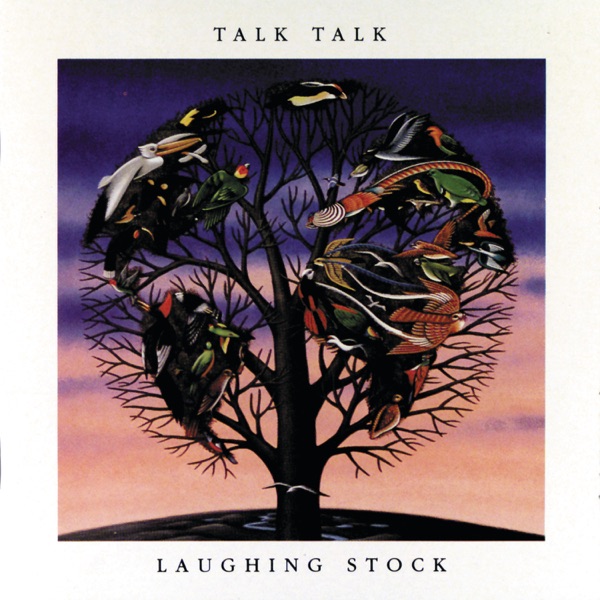 Talk Talk - Laughing Stock

Join the Conversation
Share your thoughts about this album.
Please log in to add a comment.
No comments yet. Be the first to comment.