
All Mod Cons
by The Jam
Released: November 03, 1978
Punk rock, mod revival, new wave, power pop
Shop The Jam
Amazon affiliate linksWhy This Album Matters
This album matters because its strongest editorial story is: Chart Success.
The Album
The track "To Be Someone (Didn't We Have a Nice Time)" critiques those who exploit success for personal gain. "All Mod Cons" is the third studio album by the British band the Jam, released in 1978. The title is a pun on the phrase "all modern conveniences," often found in housing advertisements, and reflects the band's ties to the mod revival.
Inside the Recording
Musically, All Mod Cons incorporates British Invasion pop influences, highlighted by the cover of The Kinks' "David Watts." The single "Down in the Tube Station at Midnight," which Weller initially rejected, became a significant hit after producer Vic Coppersmith revived it.
Interesting Facts
The song's narrative follows a young man who…
The song's narrative follows a young man who is attacked in a tube station, reflecting social tensions of the time.
Under pressure from their label, songwriter Paul Weller…
Under pressure from their label, songwriter Paul Weller faced writer's block and ultimately had to re-record a new set of songs after the initial tracks were deemed sub-standard.
Weller's lyrics address class issues, drawing from his…
Weller's lyrics address class issues, drawing from his experiences in Woking.
Essential Tracks
David Watts
Musically, All Mod Cons incorporates British Invasion pop influences, highlighted by the cover of The Kinks' "David Watts." The single "Down in the Tube Station at Midnight," which Weller initially rejected, became a significant hit after producer Vic Coppersmith revived it.
Down In The Tube Station At Midnight
Musically, All Mod Cons incorporates British Invasion pop influences, highlighted by the cover of The Kinks' "David Watts." The single "Down in the Tube Station at Midnight," which Weller initially rejected, became a significant hit after producer Vic Coppersmith revived it.
Explore the Album
The Jam - All Mod Cons
Open in Albums Gallery
Reception
The album cover features a visual joke with the band in a bare room, and it reached No. 6 on the UK Albums Chart. The album was reissued in the US in 1979, replacing "Billy Hunt" with "The Butterfly Collector." Following their second album, This Is the Modern World, the Jam toured the US with Blue Öyster Cult, but they struggled to connect with audiences and did not chart in the US. All Mod Cons was more commercially successful than its predecessor and was reissued on CD in 2006, featuring b-sides, outtakes, and a documentary directed by Don Letts.
The Complete Album Story
"All Mod Cons" is the third studio album by the British band the Jam, released in 1978. The title is a pun on the phrase "all modern conveniences," often found in housing advertisements, and reflects the band's ties to the mod revival. The album cover features a visual joke with the band in a bare room, and it reached No. 6 on the UK Albums Chart.
The album was reissued in the US in 1979, replacing "Billy Hunt" with "The Butterfly Collector." Following their second album, This Is the Modern World, the Jam toured the US with Blue Öyster Cult, but they struggled to connect with audiences and did not chart in the US. Under pressure from their label, songwriter Paul Weller faced writer's block and ultimately had to re-record a new set of songs after the initial tracks were deemed sub-standard.
Musically, All Mod Cons incorporates British Invasion pop influences, highlighted by the cover of The Kinks' "David Watts." The single "Down in the Tube Station at Midnight," which Weller initially rejected, became a significant hit after producer Vic Coppersmith revived it. The song's narrative follows a young man who is attacked in a tube station, reflecting social tensions of the time.
Weller's lyrics address class issues, drawing from his experiences in Woking. The track "To Be Someone (Didn't We Have a Nice Time)" critiques those who exploit success for personal gain. All Mod Cons was more commercially successful than its predecessor and was reissued on CD in 2006, featuring b-sides, outtakes, and a documentary directed by Don Letts.
More Punk rock Albums
 The Hives - Veni Vidi Vicious
 Germs - Germicide (album)
 Green Day - Woodstock 1994 (Green Day album)
 Ramones - Leave Home
 Joy Division - Substance (Joy Division album)
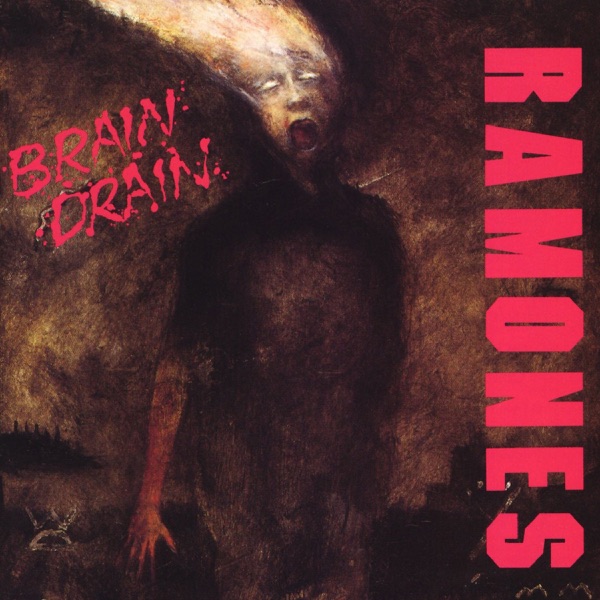 Ramones - Brain Drain (album)
 Ramones - Pleasant Dreams
 The Offspring - Rise and Fall, Rage and Grace

Join the Conversation
Share your thoughts about this album.
Please log in to add a comment.
No comments yet. Be the first to comment.