
Octopus
by The Human League
Released: January 23, 1995
Synth-pop, new wave, new pop, electronic
Shop The Human League
Amazon affiliate linksWhy This Album Matters
This album matters because its strongest editorial story is: Improvisation.
The Album
"Octopus" is the seventh studio album by the British synth-pop band The Human League. The album is notable for being The Human League’s first studio album in over five years, following "Romantic?" which came out in 1990. The first of these, "Tell Me When," became one of the band’s biggest hits, cracking the top 10 in the UK.
Inside the Recording
Co-produced by synth programming expert Ian Stanley, the album showcased a more modern, updated sound, while still retaining the band's signature electro-pop aesthetics.
Interesting Facts
It was released in January 1995, marking their…
It was released in January 1995, marking their return to the music scene after a long break.
"Octopus" represented a significant artistic and commercial comeback…
"Octopus" represented a significant artistic and commercial comeback for the band.
"One Man in My Heart," was a change…
"One Man in My Heart," was a change of pace for the band, with the song featuring lead vocals from Susan Ann Sulley instead of the band's usual lead vocalist, Philip Oakey.
The album is considered by many to be…
The album is considered by many to be a strong return to form and helped reestablish The Human League as one of the leading electronic pop bands of the 1990s.
Essential Tracks
Tell Me When
The album spawned two hit singles, "Tell Me When" and "One Man in My Heart," both of which achieved considerable success in the UK Singles Chart reaching numbers six and thirteen respectively.
One Man in My Heart
The album spawned two hit singles, "Tell Me When" and "One Man in My Heart," both of which achieved considerable success in the UK Singles Chart reaching numbers six and thirteen respectively.
Explore the Album
The Human League - Octopus
Open in Albums Gallery
Reception
The album spawned two hit singles, "Tell Me When" and "One Man in My Heart," both of which achieved considerable success in the UK Singles Chart reaching numbers six and thirteen respectively. The album reached number six in the UK Albums Chart and was also successful internationally. The band decided to take the hiatus after several commercially unsuccessful albums to reevaluate their creative process.
The Complete Album Story
"Octopus" is the seventh studio album by the British synth-pop band The Human League. It was released in January 1995, marking their return to the music scene after a long break.
The album is notable for being The Human League’s first studio album in over five years, following "Romantic?" which came out in 1990. The band decided to take the hiatus after several commercially unsuccessful albums to reevaluate their creative process.
"Octopus" represented a significant artistic and commercial comeback for the band. Co-produced by synth programming expert Ian Stanley, the album showcased a more modern, updated sound, while still retaining the band's signature electro-pop aesthetics.
The album spawned two hit singles, "Tell Me When" and "One Man in My Heart," both of which achieved considerable success in the UK Singles Chart reaching numbers six and thirteen respectively. The first of these, "Tell Me When," became one of the band’s biggest hits, cracking the top 10 in the UK. "One Man in My Heart," was a change of pace for the band, with the song featuring lead vocals from Susan Ann Sulley instead of the band's usual lead vocalist, Philip Oakey.
"Octopus" was well-received by critics, who praised its updated sound and catchy hooks. The album reached number six in the UK Albums Chart and was also successful internationally. The album is considered by many to be a strong return to form and helped reestablish The Human League as one of the leading electronic pop bands of the 1990s.
More Synth-pop Albums
 Gary Numan - Berserker
 Tears for Fears - The Hurting
 The Human League - Hysteria (The Human League album)
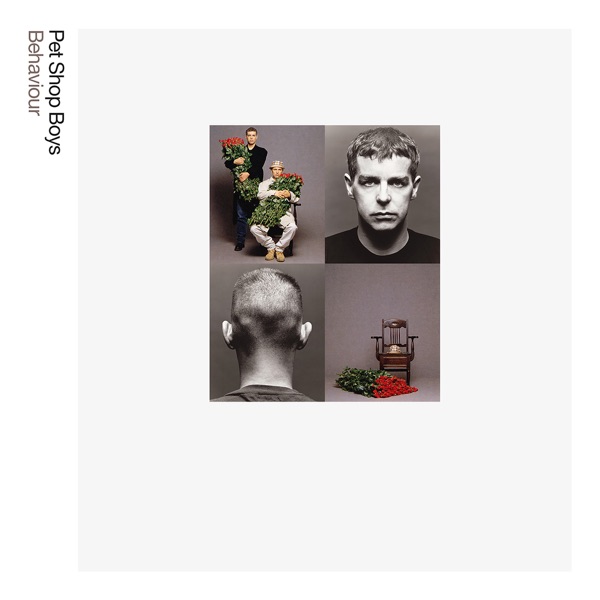 Pet Shop Boys - Behaviour
 Emarosa - Peach Club
 Depeche Mode - A Broken Frame
 Yazoo - Upstairs at Eric's
 Joni Mitchell - Dog Eat Dog
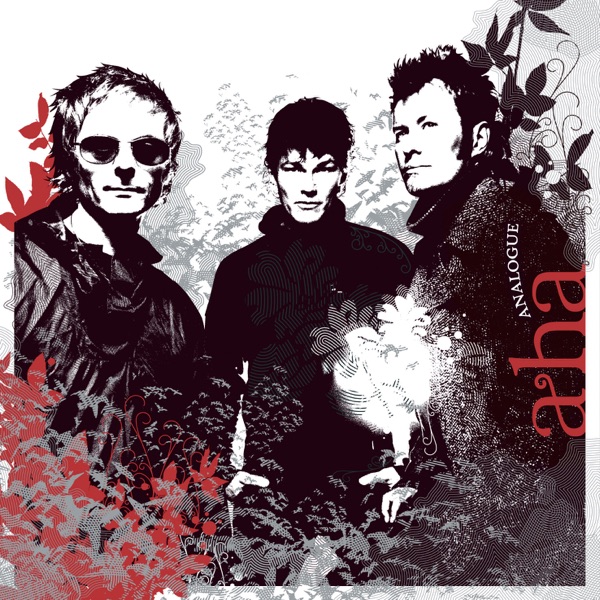 A-ha - Analogue
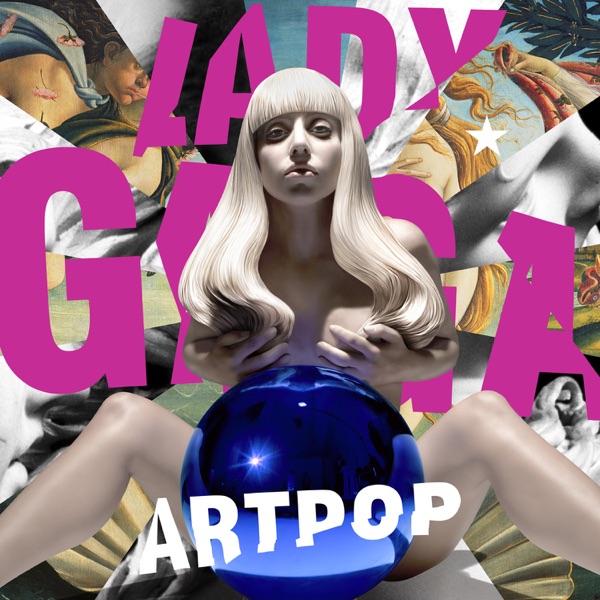 Lady Gaga - Artpop
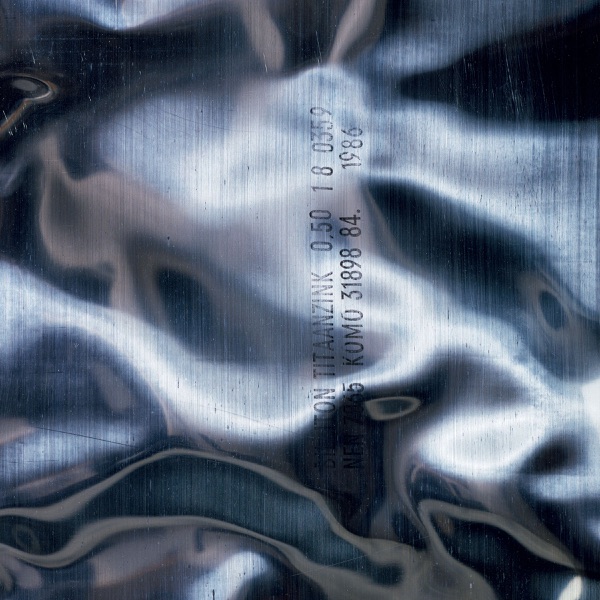 New Order - Brotherhood

Join the Conversation
Share your thoughts about this album.
Please log in to add a comment.
No comments yet. Be the first to comment.