
What Were Once Vices Are Now Habits
by The Doobie Brothers
Released: February 01, 1974
Rock
Shop The Doobie Brothers
Amazon affiliate linksWhy This Album Matters
This album matters because its strongest editorial story is: Lineup Change.
The Album
The album marked a significant point in the band's career as it introduced a new lineup and showcased a departure from their earlier straightforward rock sound toward a more sophisticated and diverse musical approach. "What Were Once Vices Are Now Habits" is the fourth studio album by the American rock band The Doobie Brothers, released in 1974. The album includes extended instrumental passages, harmonically rich vocals, and a range of musical styles, highlighting the band's evolution and experimentation.
Interesting Facts
"What Were Once Vices Are Now Habits" remains…
"What Were Once Vices Are Now Habits" remains a pivotal release in the band's catalog, capturing a moment of transition and experimentation in their musical journey.
Here's a summary of the album: "What Were…
Here's a summary of the album: "What Were Once Vices Are Now Habits" features a mix of rock, soul, and blues influences, reflecting the band's musical versatility.
Key tracks on the album include "Black Water,"…
Key tracks on the album include "Black Water," a song that incorporates elements of country and bluegrass, and "Another Park, Another Sunday," which features soulful vocals and a laid-back groove.
The intricate harmonies and instrumental interplay showcase the…
The intricate harmonies and instrumental interplay showcase the band's commitment to musical craftsmanship.
The addition of Michael McDonald as a full-time…
The addition of Michael McDonald as a full-time member brought a notable change to the band's sound, with his soulful voice and keyboard skills contributing to the album's overall texture.
Essential Tracks
Black Water
"Black Water" became a major hit, reaching No. 1 on the Billboard Hot 100 chart.
Another Park, Another Sunday
Key tracks on the album include "Black Water," a song that incorporates elements of country and bluegrass, and "Another Park, Another Sunday," which features soulful vocals and a laid-back groove.
Explore the Album
The Doobie Brothers - What Were Once Vices Are Now Habits
Open in Albums Gallery
Reception
While the album received positive reviews for its musical diversity and strong performances, it also marked a shift in The Doobie Brothers' style toward a more polished and studio-oriented sound. "Black Water" became a major hit, reaching No. 1 on the Billboard Hot 100 chart.
The Complete Album Story
"What Were Once Vices Are Now Habits" is the fourth studio album by the American rock band The Doobie Brothers, released in 1974. The album marked a significant point in the band's career as it introduced a new lineup and showcased a departure from their earlier straightforward rock sound toward a more sophisticated and diverse musical approach.
Here's a summary of the album:
"What Were Once Vices Are Now Habits" features a mix of rock, soul, and blues influences, reflecting the band's musical versatility. The album includes extended instrumental passages, harmonically rich vocals, and a range of musical styles, highlighting the band's evolution and experimentation.
Key tracks on the album include "Black Water," a song that incorporates elements of country and bluegrass, and "Another Park, Another Sunday," which features soulful vocals and a laid-back groove. The intricate harmonies and instrumental interplay showcase the band's commitment to musical craftsmanship.
The addition of Michael McDonald as a full-time member brought a notable change to the band's sound, with his soulful voice and keyboard skills contributing to the album's overall texture. "Black Water" became a major hit, reaching No. 1 on the Billboard Hot 100 chart.
While the album received positive reviews for its musical diversity and strong performances, it also marked a shift in The Doobie Brothers' style toward a more polished and studio-oriented sound. "What Were Once Vices Are Now Habits" remains a pivotal release in the band's catalog, capturing a moment of transition and experimentation in their musical journey.
More Rock Albums
 The Hives - Tyrannosaurus Hives
 The Church - The Blurred Crusade
 Ian Brown - The Greatest (Ian Brown album)
 Concrete Blonde - Mexican Moon
 XTC - Oranges & Lemons
 Buffalo Tom - Birdbrain
 The Blue Nile - High
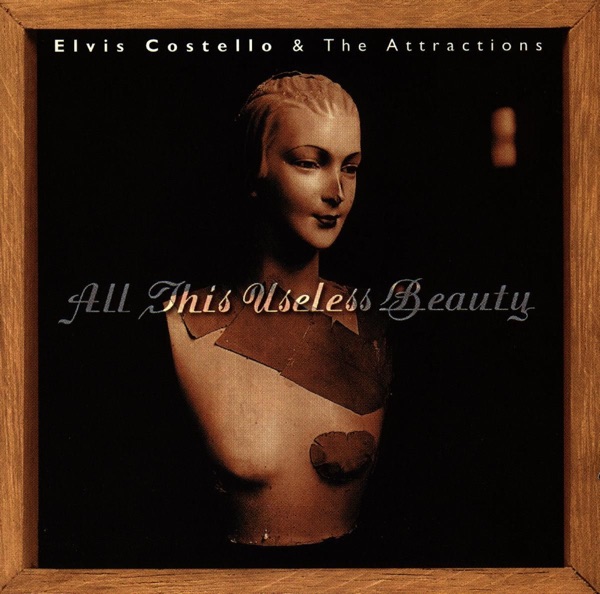 Elvis Costello - All This Useless Beauty
 David Bowie - Lodger
 Björk - Drawing Restraint 9 (album)

Join the Conversation
Share your thoughts about this album.
Please log in to add a comment.
No comments yet. Be the first to comment.