
The Art of Rebellion
by Suicidal Tendencies
Released: June 30, 1992
Alternative metal, crossover thrash
Shop Suicidal Tendencies
Amazon affiliate linksWhy This Album Matters
This album matters because its strongest editorial story is: Genre Shift.
The Album
"The Art of Rebellion" is the sixth studio album by American crossover thrash band Suicidal Tendencies, which was released in 1992. "The Art of Rebellion" is significant as it marked a point of evolution in the band's career and expanded their listenership, proving Suicidal Tendencies' ability to incorporate different styles into their music and keeping them as one of the most distinctive acts in the crossover thrash genre. It is considered a milestone in Suicidal Tendencies' discography as it saw the band further depart from their previous hardcore punk roots and lean towards a more thrash metal-oriented sound.
Inside the Recording
The album was produced by the acclaimed producer Peter Collins, known for his work with acts like Rush and Queensrÿche.
Interesting Facts
The distinct change in sound, especially the heavier…
The distinct change in sound, especially the heavier emphasis on metal, however, was not universally accepted by fans, leading to some mixed reactions.
The album features a variety of themes, with…
The album features a variety of themes, with lyrics addressing topics like alienation, anxiety, society, and politics.
The line-up for "The Art of Rebellion" includes…
The line-up for "The Art of Rebellion" includes Mike Muir on vocals, Mike Clark and Rocky George on guitars, Robert Trujillo on bass, and R. J. Herrera on drums.
Despite the mixed initial reception, "The Art of…
Despite the mixed initial reception, "The Art of Rebellion" has withstood the test of time and is often cited as one of Suicidal Tendencies' best albums.
This was a crucial step for the band…
This was a crucial step for the band, as it not only portrayed their musical versatility but it also showed the depth and maturity of their lyrical content.
Explore the Album
Suicidal Tendencies - The Art of Rebellion
Open in Albums Gallery
Reception
Notably, "The Art of Rebellion" contains some of the band's most commercially successful songs like "Nobody Hears" and "I'll Hate You Better." The former reached number 7 on the Billboard Modern Rock Tracks, showcasing the band's ability to maintain mainstream appeal despite their genre shift.
The Complete Album Story
"The Art of Rebellion" is the sixth studio album by American crossover thrash band Suicidal Tendencies, which was released in 1992. It is considered a milestone in Suicidal Tendencies' discography as it saw the band further depart from their previous hardcore punk roots and lean towards a more thrash metal-oriented sound.
The album features a variety of themes, with lyrics addressing topics like alienation, anxiety, society, and politics. The distinct change in sound, especially the heavier emphasis on metal, however, was not universally accepted by fans, leading to some mixed reactions.
Notably, "The Art of Rebellion" contains some of the band's most commercially successful songs like "Nobody Hears" and "I'll Hate You Better." The former reached number 7 on the Billboard Modern Rock Tracks, showcasing the band's ability to maintain mainstream appeal despite their genre shift.
The line-up for "The Art of Rebellion" includes Mike Muir on vocals, Mike Clark and Rocky George on guitars, Robert Trujillo on bass, and R. J. Herrera on drums. The album was produced by the acclaimed producer Peter Collins, known for his work with acts like Rush and Queensrÿche.
"The Art of Rebellion" is significant as it marked a point of evolution in the band's career and expanded their listenership, proving Suicidal Tendencies' ability to incorporate different styles into their music and keeping them as one of the most distinctive acts in the crossover thrash genre.
Despite the mixed initial reception, "The Art of Rebellion" has withstood the test of time and is often cited as one of Suicidal Tendencies' best albums. This was a crucial step for the band, as it not only portrayed their musical versatility but it also showed the depth and maturity of their lyrical content.
More Alternative metal Albums
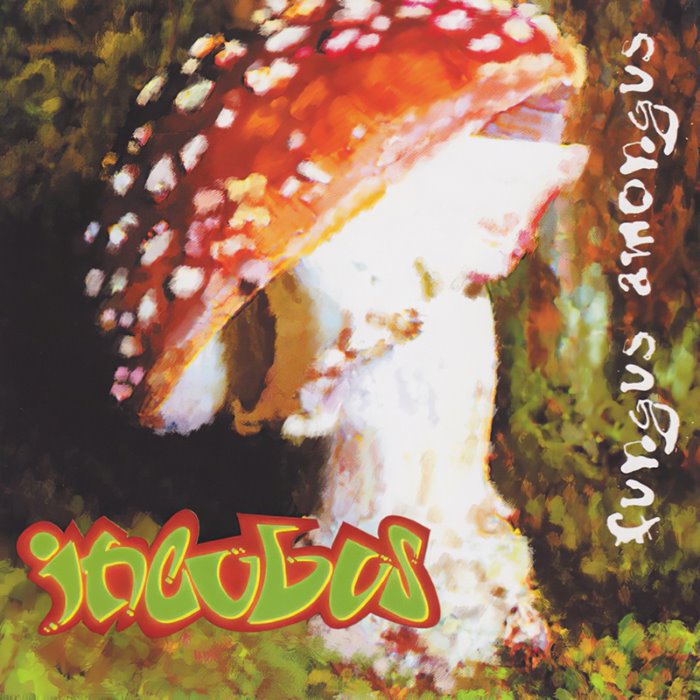 Incubus - Fungus Amongus
 Evanescence - Fallen
 L7 - Smell the Magic
 Saliva - Saliva
 Saliva - Back into Your System

Join the Conversation
Share your thoughts about this album.
Please log in to add a comment.
No comments yet. Be the first to comment.