
From the Witchwood
by Strawbs
Released: July 04, 1971
Progressive rock, art rock, folk rock
Shop Strawbs
Amazon affiliate linksWhy This Album Matters
This album matters because its strongest editorial story is: Lineup Change.
The Album
In summary, "From the Witchwood" stands as a notable entry in Strawbs' discography, showcasing their evolving sound and featuring the talents of Rick Wakeman before his temporary departure from the band. "From the Witchwood" is the third album by the English band Strawbs, released in 1971. This album holds significance as the third and final Strawbs album to feature Rick Wakeman as an official band member.
Inside the Recording
Recorded at Air Studios in London during February and March of that year, the album achieved moderate success, reaching number 39 on the UK Albums Chart on July 17, 1971.
Interesting Facts
Wakeman, known for his virtuosic keyboard skills, had…
Wakeman, known for his virtuosic keyboard skills, had previously contributed as a session musician on the band's 1970 album "Dragonfly." Following "From the Witchwood," Wakeman temporarily left the band but later returned to contribute as a session musician on their 1975 album "Nomadness," appearing on one track.
The sleeve illustration for "From the Witchwood" featured…
The sleeve illustration for "From the Witchwood" featured "The Vision of St. Jerome," a tapestry from the Spanish royal collection.
This artwork added to the album's visual appeal…
This artwork added to the album's visual appeal and thematic depth, complementing the music within.
Musically, "From the Witchwood" continued Strawbs' exploration of…
Musically, "From the Witchwood" continued Strawbs' exploration of progressive folk and rock, blending acoustic and electric instrumentation with intricate arrangements and thoughtful lyrics.
The album's fusion of folk, rock, and progressive…
The album's fusion of folk, rock, and progressive elements continues to resonate with listeners interested in the British folk rock scene of the early 1970s.
Explore the Album
Strawbs - From the Witchwood
Open in Albums Gallery
Reception
Recorded at Air Studios in London during February and March of that year, the album achieved moderate success, reaching number 39 on the UK Albums Chart on July 17, 1971. While not as commercially successful as some of their later albums, "From the Witchwood" is appreciated by fans and critics alike for its musical craftsmanship and the contributions of Wakeman's distinctive keyboard work.
The Complete Album Story
"From the Witchwood" is the third album by the English band Strawbs, released in 1971. Recorded at Air Studios in London during February and March of that year, the album achieved moderate success, reaching number 39 on the UK Albums Chart on July 17, 1971.
This album holds significance as the third and final Strawbs album to feature Rick Wakeman as an official band member. Wakeman, known for his virtuosic keyboard skills, had previously contributed as a session musician on the band's 1970 album "Dragonfly." Following "From the Witchwood," Wakeman temporarily left the band but later returned to contribute as a session musician on their 1975 album "Nomadness," appearing on one track.
The sleeve illustration for "From the Witchwood" featured "The Vision of St. Jerome," a tapestry from the Spanish royal collection. This artwork added to the album's visual appeal and thematic depth, complementing the music within.
Musically, "From the Witchwood" continued Strawbs' exploration of progressive folk and rock, blending acoustic and electric instrumentation with intricate arrangements and thoughtful lyrics. While not as commercially successful as some of their later albums, "From the Witchwood" is appreciated by fans and critics alike for its musical craftsmanship and the contributions of Wakeman's distinctive keyboard work.
In summary, "From the Witchwood" stands as a notable entry in Strawbs' discography, showcasing their evolving sound and featuring the talents of Rick Wakeman before his temporary departure from the band. The album's fusion of folk, rock, and progressive elements continues to resonate with listeners interested in the British folk rock scene of the early 1970s.
More Progressive rock Albums
 Strawbs - Hero and Heroine
 Strawbs - Ghosts
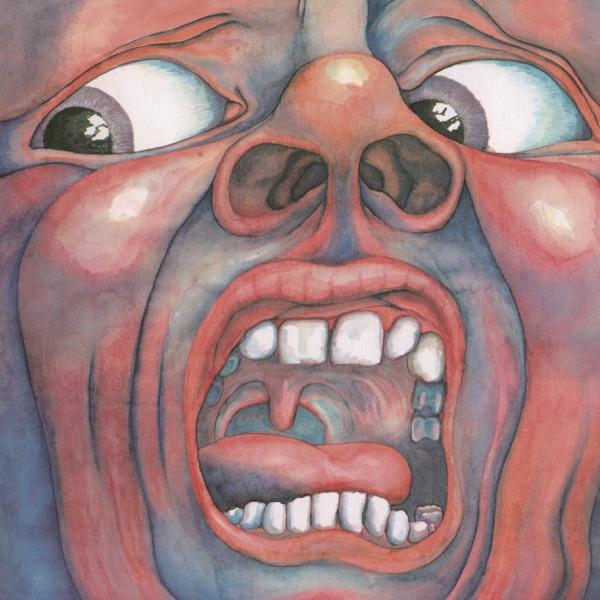 King Crimson - In the Court of the Crimson King
 Pink Floyd - Works (Pink Floyd album)
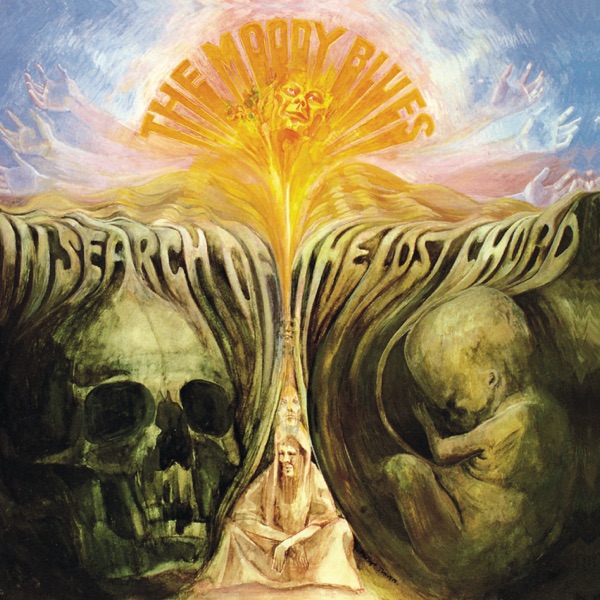 The Moody Blues - Greatest Hits
 Harmonium - L'Heptade
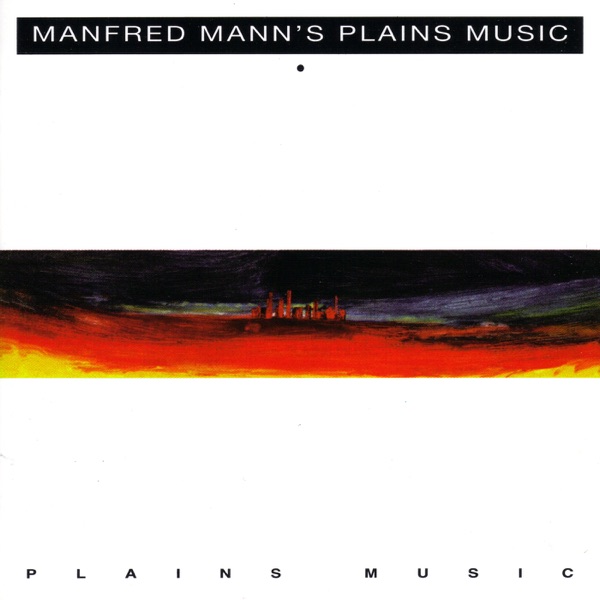 Manfred Mann's Earth - Plains Music
King Crimson - USA (album)
Manfred Mann's Earth - Plains Music
King Crimson - USA (album)
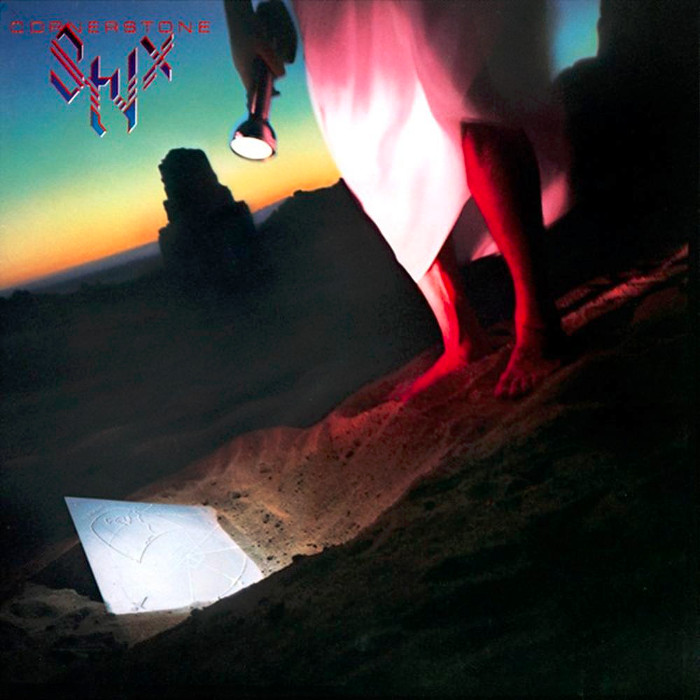 Styx - Cornerstone
 Boston - Third Stage
 Procol Harum - Exotic Birds and Fruit

Join the Conversation
Share your thoughts about this album.
Please log in to add a comment.
No comments yet. Be the first to comment.