
Ashes Are Burning
by Renaissance
Released: October 10, 1973
Progressive rock
Shop Renaissance
Amazon affiliate linksWhy This Album Matters
This album matters because its strongest editorial story is: Cult Following.
The Album
"Ashes Are Burning" is the fourth studio album by the English progressive rock band Renaissance, released in 1973. This album marked a pivotal shift for the band, as they embraced a more acoustic sound to highlight their folk influences, setting themselves apart from the electric guitar-heavy bands of the time. During the making of Ashes Are Burning, the band was in transition between guitarists, leading bassist Jon Camp to handle most of the guitar work.
Inside the Recording
The album was recorded at De Lane Lea Studios with engineer Dick Plant as co-producer, a partnership that would continue for subsequent projects due to their successful collaboration.
Interesting Facts
The songwriting process was unique; Dunford would send…
The songwriting process was unique; Dunford would send melody lines to lyricist Betty Thatcher, who would then craft the lyrics before the arrangements were finalized in the studio.
The album has since been reissued multiple times…
The album has since been reissued multiple times, including a remastered version in 2019 by Esoteric Recordings, ensuring its continued availability and appreciation among fans of progressive rock.
In 1978, Ashes Are Burning was reissued as…
In 1978, Ashes Are Burning was reissued as part of a double album called In the Beginning, alongside the previous album Prologue.
Notably, it was the first Renaissance album to…
Notably, it was the first Renaissance album to feature orchestral arrangements on some tracks, which added a rich, layered quality to their music.
Michael Dunford, who was primarily a composer at…
Michael Dunford, who was primarily a composer at the time, contributed acoustic guitar to several songs.
Explore the Album
Renaissance - Ashes Are Burning
Open in Albums Gallery
The Complete Album Story
"Ashes Are Burning" is the fourth studio album by the English progressive rock band Renaissance, released in 1973. This album marked a pivotal shift for the band, as they embraced a more acoustic sound to highlight their folk influences, setting themselves apart from the electric guitar-heavy bands of the time. Notably, it was the first Renaissance album to feature orchestral arrangements on some tracks, which added a rich, layered quality to their music.
During the making of Ashes Are Burning, the band was in transition between guitarists, leading bassist Jon Camp to handle most of the guitar work. Michael Dunford, who was primarily a composer at the time, contributed acoustic guitar to several songs. The songwriting process was unique; Dunford would send melody lines to lyricist Betty Thatcher, who would then craft the lyrics before the arrangements were finalized in the studio.
The album was recorded at De Lane Lea Studios with engineer Dick Plant as co-producer, a partnership that would continue for subsequent projects due to their successful collaboration.
"Can You Understand?" includes a melody that quotes Maurice Jarre's score from Doctor Zhivago, which has led to some confusion over credits. The song's intro was actually composed by Jon Camp and John Tout, highlighting the collaborative nature of the band's songwriting. "On the Frontier" was previously released by Jim McCarty's band Shoot and showcases the band's connections within the progressive rock scene. An early version of "Carpet of the Sun" featuring Jane Relf was released later, providing a glimpse into the song's evolution.
In 1978, Ashes Are Burning was reissued as part of a double album called In the Beginning, alongside the previous album Prologue. This version saw some edits, particularly for the track "At the Harbour," due to changes in copyright law regarding classical works.
The album has since been reissued multiple times, including a remastered version in 2019 by Esoteric Recordings, ensuring its continued availability and appreciation among fans of progressive rock.
More Progressive rock Albums
 Procol Harum - Something Magic
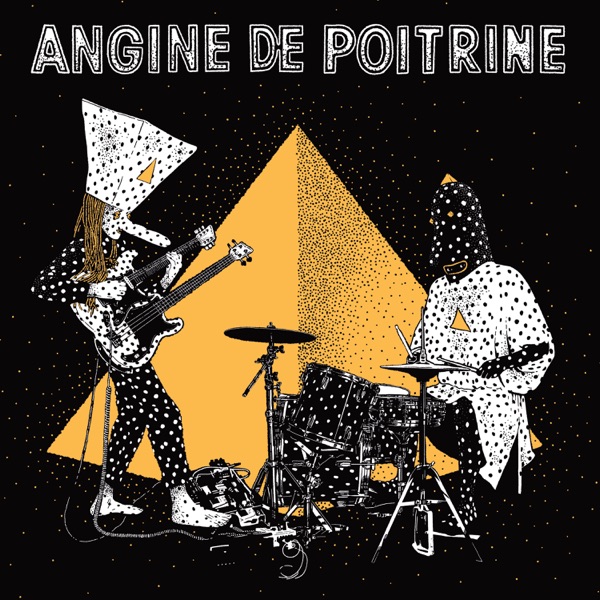 Angine de Poitrine (groupe) - Vol.I
 Chicago - Chicago VI
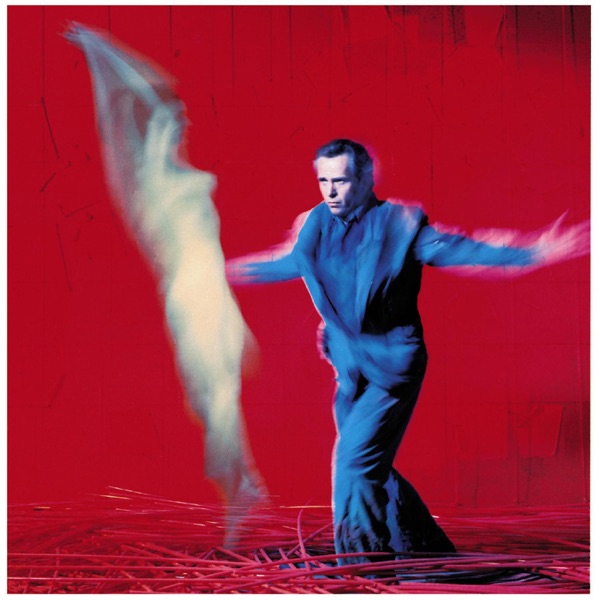 Peter Gabriel - Us
 Barclay James Harvest - Baby James Harvest
 Elbow - Giants of All Sizes
 Asia - Alpha
 Rush - 2112
 The Groundhogs - Thank Christ for the Bomb
 Camel - I Can See Your House from Here
 Roxy Music - Stranded (album)
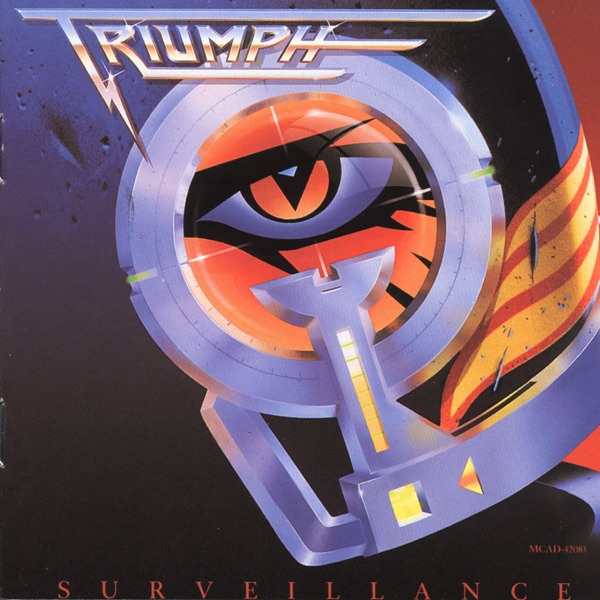 Triumph - Surveillance (Triumph album)

Join the Conversation
Share your thoughts about this album.
Please log in to add a comment.
No comments yet. Be the first to comment.