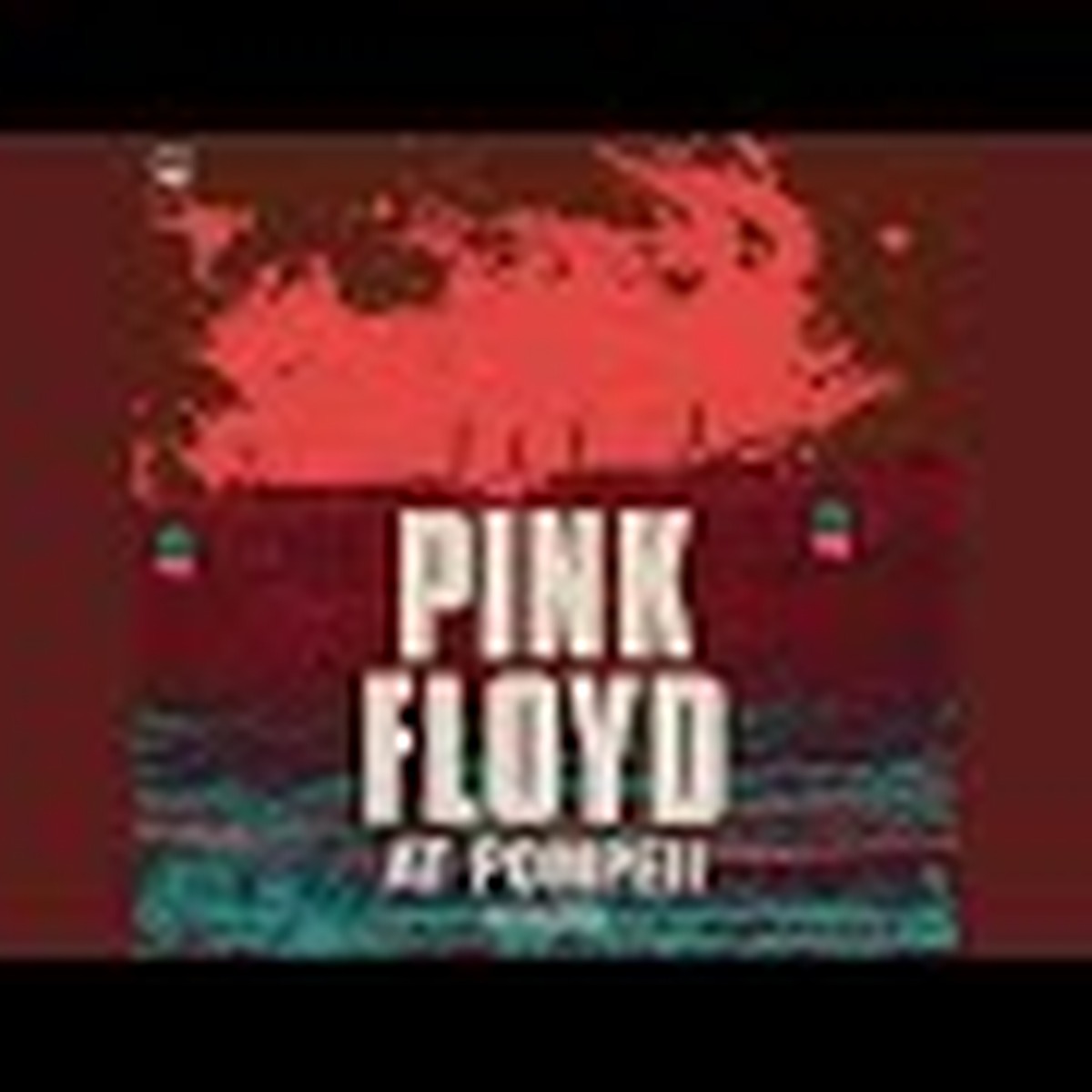
Live at Pompeii
by Pink Floyd
Released: September 05, 1972
Rock
Shop Pink Floyd
Amazon affiliate linksWhy This Album Matters
The central hook is directly established by director Adrian Maben in first-hand interviews. He said that guards allowed him into the closed ruins to search for his passport and that, inside the deserted amphitheatre, he knew it had to be the location for the film. ([brain-damage.co.uk](https://www.brain-damage.co.uk/other-related-interviews/adrian-maben-live-at-pompeii-2003-with-brain-d.html)) His account is independently corroborated by Louder’s history of the production, which also connects the passport search to his realization and subsequent audience-free proposal. ([loudersound.com](https://www.loudersound.com/features/pink-floyd-live-at-pompeii-movie-album-story-behind)) Rockol’s Maben interview supports the earlier rejected art-film pitch, his new anti-Woodstock proposal and the professor’s assistance with local authorities. ([rockol.it](https://www.rockol.it/news-590987/adrian-maben-intervista-chit-chat-with-the-oysters-pink-floyd)) The Archaeological Park of Pompeii confirms the behind-closed-doors performances and October 4–7, 1971 filming dates. ([pompeiisites.org](https://pompeiisites.org/en/exhibitions/pink-floyd-live-at-pompeii-the-exhibition-by-adrian-maben/)) Catalog note: Live at Pompeii was released in 1972 as a concert film rather than an original soundtrack album, so the public copy avoids falsely calling it an album.
The Album
Unlike typical concert films, this performance was recorded without an audience in the ancient Roman amphitheater located in Pompeii, Italy. The album and film capture Pink Floyd performing several of their classic tracks amidst the evocative ruins, providing a unique visual and auditory experience. The film has been praised for its cinematography and the intimate portrayal of the band at a crucial period in their artistic development.
Inside the Recording
"Live at Pompeii" is a concert film featuring the English rock band Pink Floyd that was originally recorded in October 1971 and released in 1972. The recording sessions took place over a span of four days and included songs such as “Echoes,” “Careful with That Axe, Eugene,” and “A Saucerful of Secrets.” The film, directed by Adrian Maben, incorporates studio footage from Abbey Road and Paris along with interviews with the band members, adding context to the performances and showcasing the band's creative process during the production of their seminal album "The Dark Side of the Moon." "Live at Pompeii" is noted for its innovative approach to concert filmmaking and the stark, atmospheric setting of the ancient amphitheater, enhancing the psychedelic and progressive rock elements of Pink Floyd’s music.
Explore the Album
Pink Floyd - Live at Pompeii
Open in Albums Gallery
Legacy
It stands as a significant piece of Pink Floyd’s legacy, demonstrating their originality and ambitious artistic vision.
The Complete Album Story
"Live at Pompeii" is a concert film featuring the English rock band Pink Floyd that was originally recorded in October 1971 and released in 1972. Unlike typical concert films, this performance was recorded without an audience in the ancient Roman amphitheater located in Pompeii, Italy. The album and film capture Pink Floyd performing several of their classic tracks amidst the evocative ruins, providing a unique visual and auditory experience.
The recording sessions took place over a span of four days and included songs such as “Echoes,” “Careful with That Axe, Eugene,” and “A Saucerful of Secrets.” The film, directed by Adrian Maben, incorporates studio footage from Abbey Road and Paris along with interviews with the band members, adding context to the performances and showcasing the band's creative process during the production of their seminal album "The Dark Side of the Moon."
"Live at Pompeii" is noted for its innovative approach to concert filmmaking and the stark, atmospheric setting of the ancient amphitheater, enhancing the psychedelic and progressive rock elements of Pink Floyd’s music. The film has been praised for its cinematography and the intimate portrayal of the band at a crucial period in their artistic development. It stands as a significant piece of Pink Floyd’s legacy, demonstrating their originality and ambitious artistic vision.
More Rock Albums
 Foreigner - Mr. Moonlight
 Godspeed You! Black Emperor - No Title as of 13 February 2024 28,340 Dead
 The White Stripes - Get Behind Me Satan
 The Ocean Blue - Beneath the Rhythm and Sound
 Spirit - Tent of Miracles (album)
 Funkadelic - Funkadelic
 Gary Moore - Scars
 Billy Joel - Storm Front
 R.E.M. - And I Feel Fine... The Best of the I.R.S. Years 1982–1987

Join the Conversation
Share your thoughts about this album.
Please log in to add a comment.
No comments yet. Be the first to comment.