
Homosapien
by Pete Shelley
Released: October 15, 1982
New wave, synthpop, post-punk
Shop Pete Shelley
Amazon affiliate linksWhy This Album Matters
This album matters because its strongest editorial story is: Experimental Album.
The Album
It marked a departure from Shelley's punk rock roots, exploring a more electronic and synth-pop sound. Key tracks on "Homosapien" include the title track, "Homosapien," which became a significant single, and other songs like "Guess I Must Have Been in Love With Myself" and "Yesterday's Not Here." The album showcased Shelley's evolving songwriting style and his embrace of electronic music influences. While "Homosapien" wasn't a commercial blockbuster, it gained recognition for its experimental and forward-thinking approach to pop music.
Interesting Facts
Pete Shelley's exploration of electronic and synth-pop elements…
Pete Shelley's exploration of electronic and synth-pop elements in "Homosapien" demonstrated his versatility as a musician beyond the punk rock roots of Buzzcocks.
"Homosapien" is not a Buzzcocks album but rather…
"Homosapien" is not a Buzzcocks album but rather a solo album by Pete Shelley, the lead vocalist and guitarist of Buzzcocks.
The album was released in 1981, following Buzzcocks'…
The album was released in 1981, following Buzzcocks' initial breakup in 1981.
The title track, in particular, became a cult…
The title track, in particular, became a cult favorite and is considered a classic in the synth-pop genre.
The album remains a noteworthy chapter in Shelley's…
The album remains a noteworthy chapter in Shelley's solo career and the broader landscape of post-punk and new wave music.
Essential Tracks
Homosapien
Key tracks on "Homosapien" include the title track, "Homosapien," which became a significant single, and other songs like "Guess I Must Have Been in Love With Myself" and "Yesterday's Not Here." The album showcased Shelley's evolving songwriting style and his embrace of electronic music influences.
Yesterday's Not Here
Key tracks on "Homosapien" include the title track, "Homosapien," which became a significant single, and other songs like "Guess I Must Have Been in Love With Myself" and "Yesterday's Not Here." The album showcased Shelley's evolving songwriting style and his embrace of electronic music influences.
Guess I Must Have Been In Love With Myself
Key tracks on "Homosapien" include the title track, "Homosapien," which became a significant single, and other songs like "Guess I Must Have Been in Love With Myself" and "Yesterday's Not Here." The album showcased Shelley's evolving songwriting style and his embrace of electronic music influences.
Explore the Album
Pete Shelley - Homosapien
Open in Albums Gallery
The Complete Album Story
"Homosapien" is not a Buzzcocks album but rather a solo album by Pete Shelley, the lead vocalist and guitarist of Buzzcocks. The album was released in 1981, following Buzzcocks' initial breakup in 1981. It marked a departure from Shelley's punk rock roots, exploring a more electronic and synth-pop sound.
Key tracks on "Homosapien" include the title track, "Homosapien," which became a significant single, and other songs like "Guess I Must Have Been in Love With Myself" and "Yesterday's Not Here." The album showcased Shelley's evolving songwriting style and his embrace of electronic music influences.
While "Homosapien" wasn't a commercial blockbuster, it gained recognition for its experimental and forward-thinking approach to pop music. The title track, in particular, became a cult favorite and is considered a classic in the synth-pop genre.
Pete Shelley's exploration of electronic and synth-pop elements in "Homosapien" demonstrated his versatility as a musician beyond the punk rock roots of Buzzcocks. The album remains a noteworthy chapter in Shelley's solo career and the broader landscape of post-punk and new wave music.
More New wave Albums
 Joy Division - The Best of Joy Division
 Split Enz - Time and Tide
 Simple Minds - Sons and Fascination/Sister Feelings Call
 Eurythmics - Savage
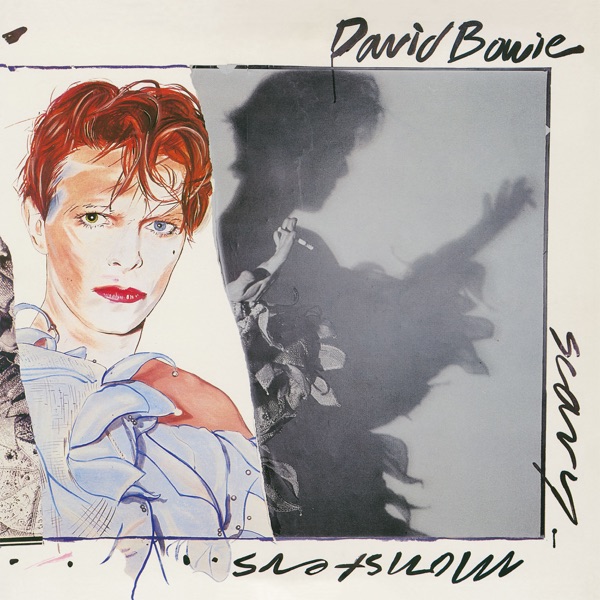 David Bowie - Scary Monsters and Super Creeps
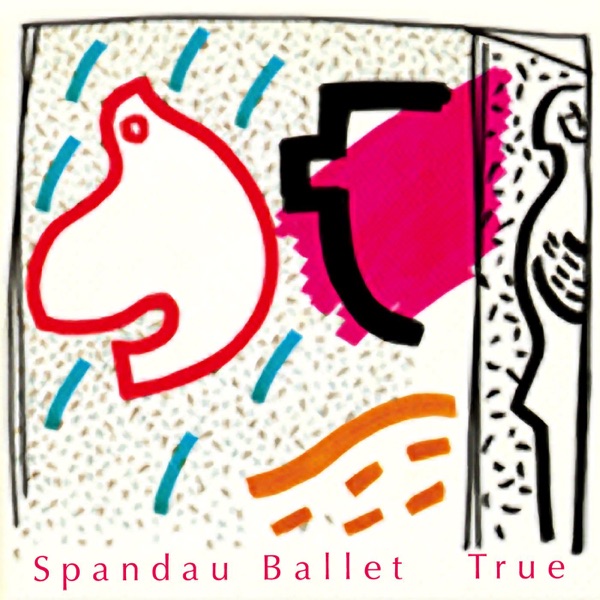 Spandau Ballet - True
 Blancmange - Private View
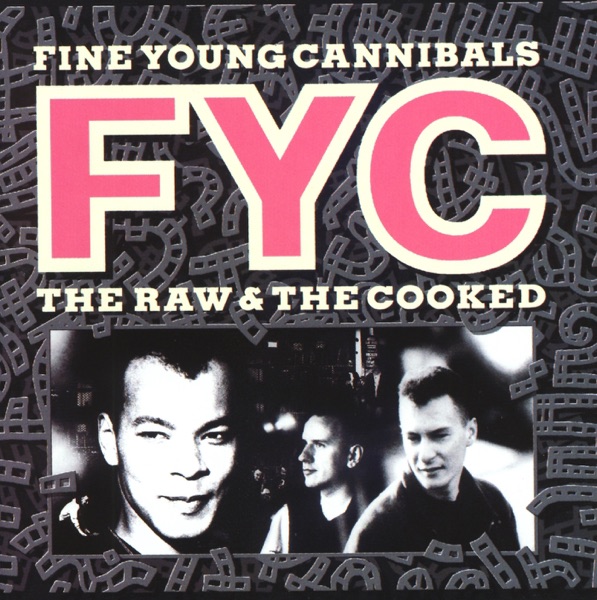 Fine Young Cannibals - The Raw & the Cooked
 A Flock Of Seagulls - A Flock of Seagulls (album)
 Cut Copy - Freeze, Melt

Join the Conversation
Share your thoughts about this album.
Please log in to add a comment.
No comments yet. Be the first to comment.