
Reggatta de Blanc
by The Police
Released: October 05, 1979
New wave, reggae rock, post-punk
Shop The Police
Amazon affiliate linksWhy This Album Matters
This album matters because its strongest editorial story is: Chart Success.
The Album
Drummer Stewart Copeland noted that the band went into the studio without pressure and simply asked who had the first song. Much of "Bring On the Night" was adapted from Sting's earlier song "Carrion Prince (O Ye of Little Hope)," and "The Bed's Too Big Without You" originated as a Last Exit tune. "The Bed's Too Big Without You" was later covered by reggae singer Sheila Hylton and became a UK Top 40 hit.
Inside the Recording
Against A&M Records' wishes for a bigger studio and more famous producer, the Police chose to record again at Surrey Sound with Nigel Gray.
Interesting Facts
"Reggatta de Blanc" is the second studio album…
"Reggatta de Blanc" is the second studio album by British rock band the Police, released on October 5, 1979, by A&M Records.
While Outlandos d'Amour had benefited from a prolific…
While Outlandos d'Amour had benefited from a prolific songwriting period for Sting, the sessions for Reggatta de Blanc were short on new material, leading the band to consider re-recording "Fall Out" at one point.
The album's title loosely translates to "White Reggae"…
The album's title loosely translates to "White Reggae" in French.
It was the second album to have a…
It was the second album to have a Franglais title, following their debut, Outlandos d'Amour.
Reggatta de Blanc proved to be more popular…
Reggatta de Blanc proved to be more popular and successful than its predecessor.
Essential Tracks
Reggatta De Blanc
"Reggatta de Blanc" is the second studio album by British rock band the Police, released on October 5, 1979, by A&M Records.
Bring On The Night
Much of "Bring On the Night" was adapted from Sting's earlier song "Carrion Prince (O Ye of Little Hope)," and "The Bed's Too Big Without You" originated as a Last Exit tune.
No Time This Time
The closing track "No Time This Time" was a B-side to "So Lonely" and added to pad the album's running time.
Explore the Album
The Police - Reggatta de Blanc
Open in Albums Gallery
Reception
It was the band's first release to reach the top of the UK Albums Chart and features their first two UK number-one singles: "Message in a Bottle" and "Walking on the Moon." In early 1980, the album was reissued in the United States on two 10-inch discs, each featuring one album side, as well as in a collector's edition with a poster of the band. The title track earned the band their first Grammy Award for Best Rock Instrumental Performance.
The Complete Album Story
"Reggatta de Blanc" is the second studio album by British rock band the Police, released on October 5, 1979, by A&M Records. It was the band's first release to reach the top of the UK Albums Chart and features their first two UK number-one singles: "Message in a Bottle" and "Walking on the Moon." In early 1980, the album was reissued in the United States on two 10-inch discs, each featuring one album side, as well as in a collector's edition with a poster of the band.
The album's title loosely translates to "White Reggae" in French. It was the second album to have a Franglais title, following their debut, Outlandos d'Amour. Reggatta de Blanc proved to be more popular and successful than its predecessor. The title track earned the band their first Grammy Award for Best Rock Instrumental Performance.
In 2003, Reggatta de Blanc was ranked at number 369 on Rolling Stone magazine's list of the 500 greatest albums of all time.
The album took four weeks to record over several months. Drummer Stewart Copeland noted that the band went into the studio without pressure and simply asked who had the first song. Against A&M Records' wishes for a bigger studio and more famous producer, the Police chose to record again at Surrey Sound with Nigel Gray. The small budget was easily covered by the profits of their previous album, ensuring the record label had no control over the music's creation.
While Outlandos d'Amour had benefited from a prolific songwriting period for Sting, the sessions for Reggatta de Blanc were short on new material, leading the band to consider re-recording "Fall Out" at one point. To fill in gaps, Sting and Copeland revisited old songs and repurposed elements for new material. Much of "Bring On the Night" was adapted from Sting's earlier song "Carrion Prince (O Ye of Little Hope)," and "The Bed's Too Big Without You" originated as a Last Exit tune. The closing track "No Time This Time" was a B-side to "So Lonely" and added to pad the album's running time.
Musically, Reggatta de Blanc features the Police's unique fusion of hard rock, British pop, reggae, and new wave. The instrumental title track was developed from an extended piece often played live. "Bring On the Night," originally written as "Carrion Prince," explores themes related to Pontius Pilate and, after Sting read The Executioner's Song, he began to connect the song's themes to Gary Gilmore's death wish. "The Bed's Too Big Without You" was later covered by reggae singer Sheila Hylton and became a UK Top 40 hit.
More New wave Albums
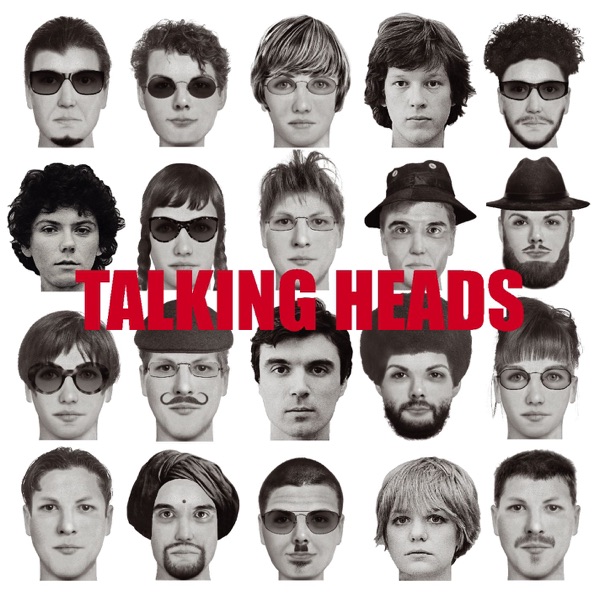 Talking Heads - Once in a Lifetime: The Best of Talking Heads
 Big Country - Steeltown
 Thompson Twins - Set
 Duran Duran - Paper Gods
 The Selecter - Daylight (The Selecter album)
 Gary Numan - Telekon
 Big Country - The Seer
 Depeche Mode - Some Great Reward
 Pink Turns Blue - Storm

Join the Conversation
Share your thoughts about this album.
Please log in to add a comment.
No comments yet. Be the first to comment.