
Zuma
by Neil Young & Crazy Horse
Released: November 10, 1975
Country rock, hard rock, acoustic rock
Shop Neil Young & Crazy Horse
Amazon affiliate linksWhy This Album Matters
This album matters because its strongest editorial story is: Experimental Album.
The Album
Young’s emotional state during this period was shaped by personal upheavals, particularly the end of his relationship with actress Carrie Snodgress, which left a mark on much of his songwriting. The song was originally recorded during rehearsals for the 1974 CSNY tour, reflecting Young’s deep connection to sailing and the sea, an interest he would explore further in his personal life. The songs on Zuma feature a mix of the personal and the abstract, with Young drawing inspiration from his dreams, relationships, and historical themes.
Inside the Recording
Young recalled playing Dylan a couple of his new songs, including "Hitchhiker" and "Cortez the Killer," which Dylan described as "honest." Another famous visitor was Rod Stewart, who, along with Britt Ekland, listened to a performance of "Powderfinger." One of the first tracks recorded for the album was "Cortez the Killer," which, due to a power surge during recording, had one verse lost. The album was recorded at David Briggs' house near Zuma Beach in Malibu, California, after Young and the band moved there for the recording sessions. The recording process was described as "just playing and recording," with no specific concept or structure in mind.
Interesting Facts
Other tracks also reflect personal experiences, including "Pardon…
Other tracks also reflect personal experiences, including "Pardon My Heart," which Young introduced as a "sad love song" during a live solo acoustic performance.
In a 1975 interview, he described the album’s…
In a 1975 interview, he described the album’s thematic direction as "about the Incas and the Aztecs," with music that shifts between different historical and emotional scenes.
The song "Don't Cry No Tears," for example…
The song "Don't Cry No Tears," for example, drew from a song Young wrote in high school, "I Wonder," which he reworked for the album.
"Zuma" is the seventh studio album by Canadian/American…
"Zuma" is the seventh studio album by Canadian/American musician Neil Young, released in November 1975 on Reprise Records.
It was the first album co-credited to Neil…
It was the first album co-credited to Neil Young and Crazy Horse in six years, marking the return of the band after a hiatus following the death of guitarist Danny Whitten in 1972.
Explore the Album
Neil Young & Crazy Horse - Zuma
Open in Albums Gallery
Legacy
The track also became infamous for its powerful guitar riff and is widely considered one of Young’s greatest songs. Despite its mixed commercial reception at the time of release, Zuma is now considered one of Young’s greatest albums, thanks to its raw energy, unique sound, and timeless songs.
The Complete Album Story
"Zuma" is the seventh studio album by Canadian/American musician Neil Young, released in November 1975 on Reprise Records. It was the first album co-credited to Neil Young and Crazy Horse in six years, marking the return of the band after a hiatus following the death of guitarist Danny Whitten in 1972. The album also introduced Frank Sampedro as the new rhythm guitarist, joining the core rhythm section of bassist Billy Talbot and drummer Ralph Molina. Zuma is a continuation of the country rock and heavy rock sound first explored on Everybody Knows This Is Nowhere, and includes "Cortez the Killer," one of Young's most iconic songs with Crazy Horse.
This album came after what was known as the "Ditch Trilogy," which included Time Fades Away, On the Beach, and Tonight's the Night. These records marked a darker, more experimental phase in Young's career, and Zuma represented a return to the more collaborative and energized work that Crazy Horse had originally inspired.
Young’s emotional state during this period was shaped by personal upheavals, particularly the end of his relationship with actress Carrie Snodgress, which left a mark on much of his songwriting. However, by 1975, Young had reformed Crazy Horse and entered a more productive phase. The album was recorded at David Briggs' house near Zuma Beach in Malibu, California, after Young and the band moved there for the recording sessions. Young described the setup as relaxed and comfortable, with the musicians working in an informal, almost improvisational manner. The recording process was described as "just playing and recording," with no specific concept or structure in mind. This approach led to a spontaneous, organic feel to the album.
The songs on Zuma feature a mix of the personal and the abstract, with Young drawing inspiration from his dreams, relationships, and historical themes. In a 1975 interview, he described the album’s thematic direction as "about the Incas and the Aztecs," with music that shifts between different historical and emotional scenes. The song "Don't Cry No Tears," for example, drew from a song Young wrote in high school, "I Wonder," which he reworked for the album. Similarly, the lyrics of "Danger Bird" were a blending of two songs, with Young incorporating elements from "L.A. Girls and Ocean Boys," which related to his breakup with Snodgress.
Other tracks also reflect personal experiences, including "Pardon My Heart," which Young introduced as a "sad love song" during a live solo acoustic performance. "Barstool Blues" was a spontaneous creation, with Young recalling how he couldn’t remember writing it after a night of drinking. The lyrics to "Cortez the Killer," one of the album’s most celebrated tracks, were inspired by a high school experience where Young, feeling ill after eating too many hamburgers, wrote about the Spanish conquistador Hernán Cortés. Young has discussed the duality he saw in Cortés—both a brave explorer and a ruthless invader—commenting on how the historical figure's actions made him question many other so-called "icons" in history.
"Through My Sails," another track on Zuma, features backing vocals from Crosby, Stills, Nash, and Young. The song was originally recorded during rehearsals for the 1974 CSNY tour, reflecting Young’s deep connection to sailing and the sea, an interest he would explore further in his personal life.
The recording sessions at Zuma Beach were a productive and creatively charged time for Young and Crazy Horse, who were experimenting with new material. Some songs, like "Pocahontas," "Sedan Delivery," and "Hitchhiker," were recorded during the Zuma sessions but ultimately not included on the album. Young’s prolific output during this time led him to revisit these tracks in later years, and many would be released on future albums. The creative environment was relaxed, with Young expressing in interviews that he was enjoying his new life as a bachelor and the freedom that came with it. He also talked about the band's dynamic, saying that it felt like the birth of a new band despite Crazy Horse retaining the same name.
Zuma is also notable for a number of guest appearances. Bob Dylan, who lived nearby, dropped by during the sessions and jammed with the band. Young recalled playing Dylan a couple of his new songs, including "Hitchhiker" and "Cortez the Killer," which Dylan described as "honest." Another famous visitor was Rod Stewart, who, along with Britt Ekland, listened to a performance of "Powderfinger."
One of the first tracks recorded for the album was "Cortez the Killer," which, due to a power surge during recording, had one verse lost. Young later commented that he never liked the missing verse and it was never sung again. The track also became infamous for its powerful guitar riff and is widely considered one of Young’s greatest songs.
"Stupid Girl," another standout track, was recorded late at night and was a result of a spontaneous jam session. Young recorded the vocals in one take, using double-tracked vocals—one pitched low and the other high—after deciding that the original version sounded too dark. He later described the track as one of the many times Crazy Horse’s raw energy led to something great.
In summary, Zuma was a pivotal moment in Neil Young's career, marking a return to his Crazy Horse roots after a period of personal and professional turbulence. It was a product of a deeply creative time in Young’s life, filled with personal reflection, historical exploration, and spontaneous musical moments. The album was largely improvised, with many tracks recorded in the relaxed atmosphere of Young’s Malibu home. Despite its mixed commercial reception at the time of release, Zuma is now considered one of Young’s greatest albums, thanks to its raw energy, unique sound, and timeless songs.
More Country rock Albums
 Bon Jovi - Lost Highway (Bon Jovi album)
 The Raconteurs - Consolers of the Lonely
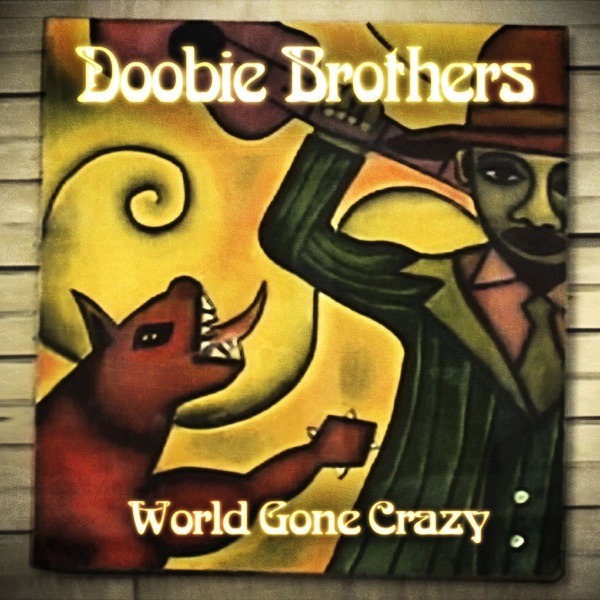 The Doobie Brothers - World Gone Crazy
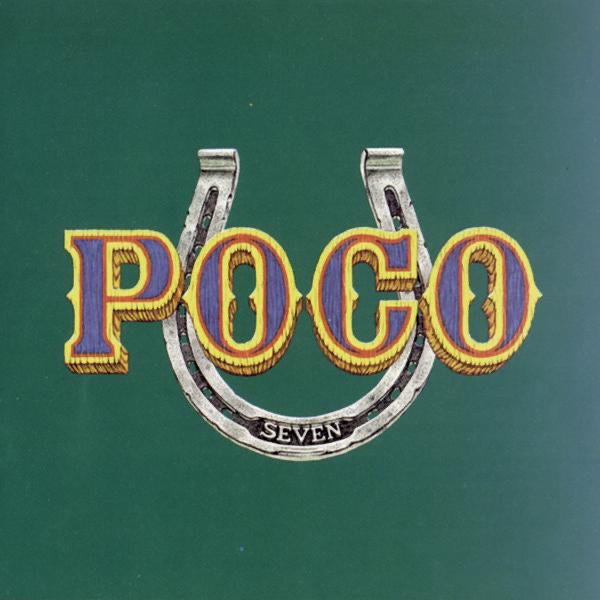 Poco - Seven
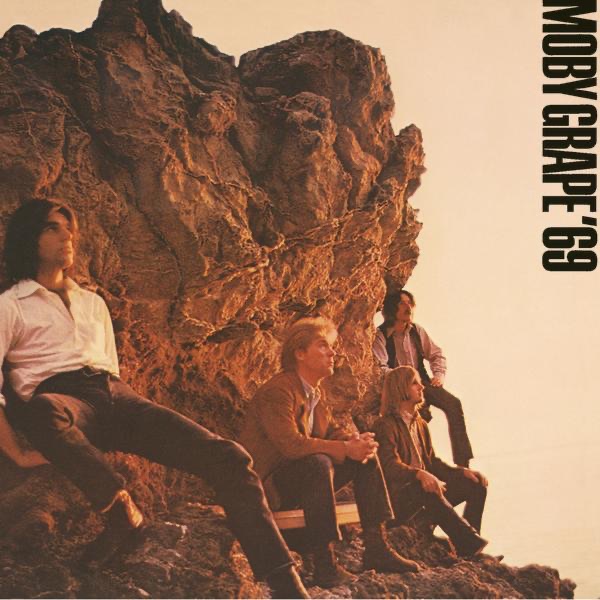 Moby Grape - Moby Grape '69
 Little Feat - Little Feat
 Willie Nelson - The Sound in Your Mind
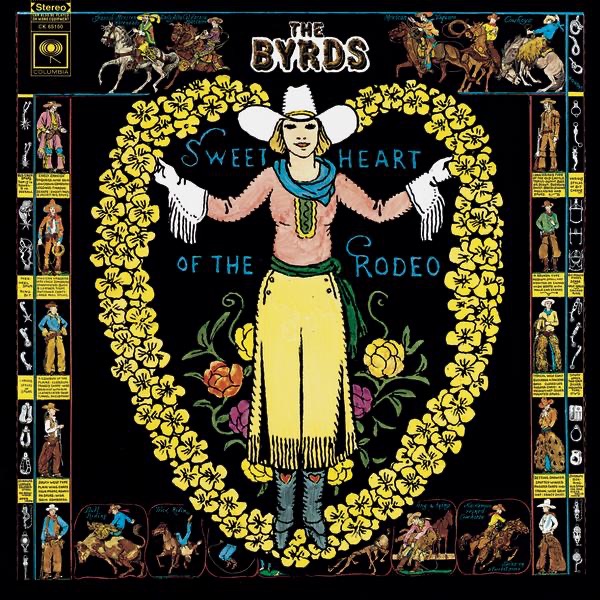 The Byrds - Sweetheart of the Rodeo
 Grateful Dead - Workingman's Dead
 Creedence Clearwater Revival - Creedence Gold
 The Allman Brothers Band - Where It All Begins

Join the Conversation
Share your thoughts about this album.
Please log in to add a comment.
No comments yet. Be the first to comment.