
Midnight at the Lost and Found
by Meat Loaf
Released: April 22, 1983
Rock, Country
Shop Meat Loaf
Amazon affiliate linksWhy This Album Matters
This album matters because its strongest editorial story is: Genre Shift.
The Album
**Content and Style:** Without Steinman, Meat Loaf explored a different sound in "Midnight at the Lost and Found." The album features a diverse mix of rock styles, but it lacks the theatrical consistency of his earlier work. "Midnight at the Lost and Found" is the third studio album by American rock musician Meat Loaf, released in May 1983. This album marked a period of transition and creative struggle for Meat Loaf, as it was released during a time when he faced significant challenges, both legally and creatively.
Interesting Facts
**Background:** After the immense success of Meat Loaf's…
**Background:** After the immense success of Meat Loaf's 1977 album "Bat Out of Hell," he faced difficulties recording its follow-up due to legal disputes and a strained relationship with his collaborator Jim Steinman.
As a result, Steinman, who played a pivotal…
As a result, Steinman, who played a pivotal role in creating the dramatic, operatic rock style that characterized "Bat Out of Hell," did not contribute to this album.
While not a major commercial triumph, the album…
While not a major commercial triumph, the album represents an important chapter in Meat Loaf's discography, showcasing his willingness to explore new musical avenues despite the absence of his longtime collaborator.
Explore the Album
Meat Loaf - Midnight at the Lost and Found
Open in Albums Gallery
Reception
The album includes tracks like "Razor's Edge" and the title track "Midnight at the Lost and Found." However, it did not achieve the critical or commercial success of its predecessors. **Commercial Performance:** "Midnight at the Lost and Found" received mixed reviews upon release and did not perform as well in sales, which was disappointing in comparison to the massive success of "Bat Out of Hell." Despite this, the album still showcases Meat Loaf's distinctive voice and his enthusiasm for rock music during a challenging period in his career.
The Complete Album Story
"Midnight at the Lost and Found" is the third studio album by American rock musician Meat Loaf, released in May 1983. This album marked a period of transition and creative struggle for Meat Loaf, as it was released during a time when he faced significant challenges, both legally and creatively.
**Background:**
After the immense success of Meat Loaf's 1977 album "Bat Out of Hell," he faced difficulties recording its follow-up due to legal disputes and a strained relationship with his collaborator Jim Steinman. As a result, Steinman, who played a pivotal role in creating the dramatic, operatic rock style that characterized "Bat Out of Hell," did not contribute to this album.
**Content and Style:**
Without Steinman, Meat Loaf explored a different sound in "Midnight at the Lost and Found." The album features a diverse mix of rock styles, but it lacks the theatrical consistency of his earlier work. The album includes tracks like "Razor's Edge" and the title track "Midnight at the Lost and Found." However, it did not achieve the critical or commercial success of its predecessors.
**Commercial Performance:**
"Midnight at the Lost and Found" received mixed reviews upon release and did not perform as well in sales, which was disappointing in comparison to the massive success of "Bat Out of Hell." Despite this, the album still showcases Meat Loaf's distinctive voice and his enthusiasm for rock music during a challenging period in his career.
While not a major commercial triumph, the album represents an important chapter in Meat Loaf's discography, showcasing his willingness to explore new musical avenues despite the absence of his longtime collaborator.
More Rock Albums
 The Cardigans - Life (album)
 Pulp - We Love Life
 Quicksilver Messenger Service - Quicksilver
 Thompson Twins - Queer
Quicksilver Messenger Service - Quicksilver Messenger Service (album)
Thompson Twins - Queer
Quicksilver Messenger Service - Quicksilver Messenger Service (album)
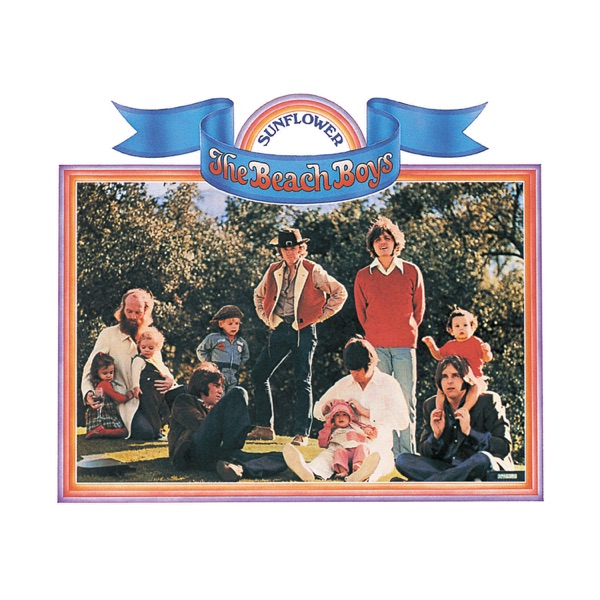 The Beach Boys - Sunflower
 Mogwai - Hardcore Will Never Die, but You Will
 The Black Keys - Brothers (The Black Keys album)
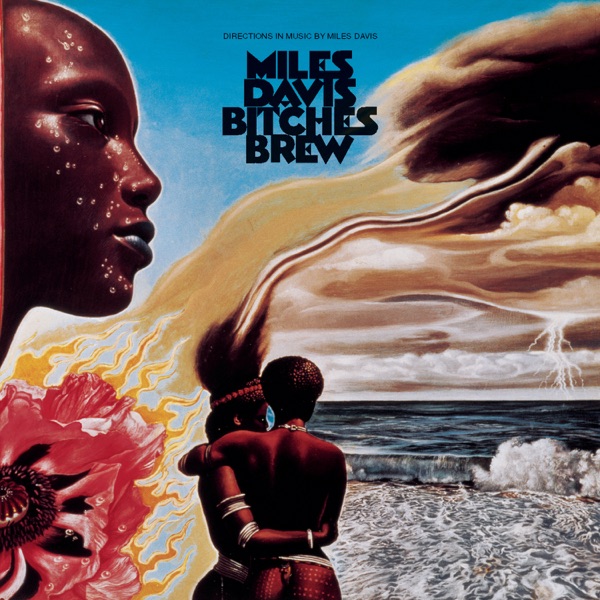 Miles Davis - Bitches Brew
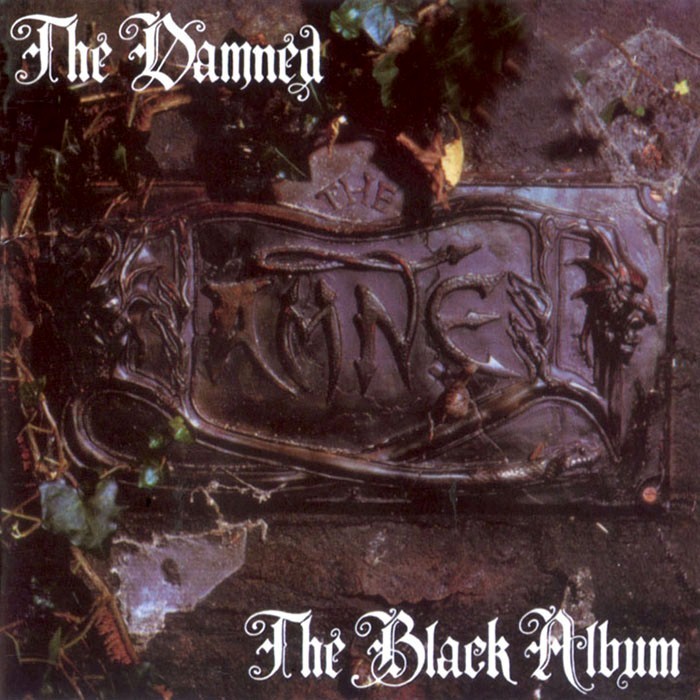 The Damned - The Black Album

Join the Conversation
Share your thoughts about this album.
Please log in to add a comment.
No comments yet. Be the first to comment.