
As Is
by Manfred Mann
Released: October 21, 1966
Rhythm and blues, psychedelic pop
Shop Manfred Mann
Amazon affiliate linksWhy This Album Matters
This album matters because its strongest editorial story is: Chart Success.
The Album
The album features twelve tracks, including the group's first single with the new lineup—a shortened version of Bob Dylan's "Just Like a Woman," which reached the UK top ten. "As Is" is the third British studio album by Manfred Mann, released on 21 October 1966 through Fontana Records. Additionally, two of Hugg's collaborations with Manfred Mann hint at the direction the group would take with Manfred Mann Chapter Three.
Interesting Facts
The band continued to experiment with studio multitracking…
The band continued to experiment with studio multitracking, with keyboardist Mann layering Mellotrons and Voormann taking over flute duties from Mike Vickers.
This album marked a significant change for the…
This album marked a significant change for the band, introducing new members Mike d'Abo and Klaus Voormann, making it their fourth release overall, including a greatest hits package.
It also includes a cool jazz rendition of…
It also includes a cool jazz rendition of "Autumn Leaves," showcasing Mike Hugg's vibraphone and the double bass work of former bassist Dave Richmond, reminiscent of the Modern Jazz Quartet.
The collection is balanced by several group compositions
The collection is balanced by several group compositions.
With d'Abo's arrival, Hugg was inspired to produce…
With d'Abo's arrival, Hugg was inspired to produce baroque pop pieces, contributing three songs to the album.
Essential Tracks
Trouble and Tea
D'Abo's tracks "Box Office Draw" and "Trouble and Tea" highlight well-crafted pop sensibilities, while "As Long as I Have Lovin'" leans towards a generic soul ballad.
Box Office Draw
D'Abo's tracks "Box Office Draw" and "Trouble and Tea" highlight well-crafted pop sensibilities, while "As Long as I Have Lovin'" leans towards a generic soul ballad.
Morning After the Party
Hugg's "Morning After the Party," which also appeared as a B-side, evokes the rowdy rhythm and blues style of the band's earlier work.
As Long as I Have Lovin'
D'Abo's tracks "Box Office Draw" and "Trouble and Tea" highlight well-crafted pop sensibilities, while "As Long as I Have Lovin'" leans towards a generic soul ballad.
Autumn Leaves
It also includes a cool jazz rendition of "Autumn Leaves," showcasing Mike Hugg's vibraphone and the double bass work of former bassist Dave Richmond, reminiscent of the Modern Jazz Quartet.
Explore the Album
Manfred Mann - As Is
Open in Albums Gallery
The Complete Album Story
"As Is" is the third British studio album by Manfred Mann, released on 21 October 1966 through Fontana Records. This album marked a significant change for the band, introducing new members Mike d'Abo and Klaus Voormann, making it their fourth release overall, including a greatest hits package.
The album features twelve tracks, including the group's first single with the new lineup—a shortened version of Bob Dylan's "Just Like a Woman," which reached the UK top ten. It also includes a cool jazz rendition of "Autumn Leaves," showcasing Mike Hugg's vibraphone and the double bass work of former bassist Dave Richmond, reminiscent of the Modern Jazz Quartet. The collection is balanced by several group compositions.
With d'Abo's arrival, Hugg was inspired to produce baroque pop pieces, contributing three songs to the album. D'Abo's tracks "Box Office Draw" and "Trouble and Tea" highlight well-crafted pop sensibilities, while "As Long as I Have Lovin'" leans towards a generic soul ballad. Hugg's "Morning After the Party," which also appeared as a B-side, evokes the rowdy rhythm and blues style of the band's earlier work. Additionally, two of Hugg's collaborations with Manfred Mann hint at the direction the group would take with Manfred Mann Chapter Three.
Guitarist Tom McGuinness adds various textures with his National Steel Guitar and provides gentle folk-ballad contributions. The band continued to experiment with studio multitracking, with keyboardist Mann layering Mellotrons and Voormann taking over flute duties from Mike Vickers.
More Rhythm and blues Albums
 The Proclaimers - Restless Soul
 Michael Jackson and the Jackson 5 album - 18 Greatest Hits
 Small Faces - 78 in the Shade
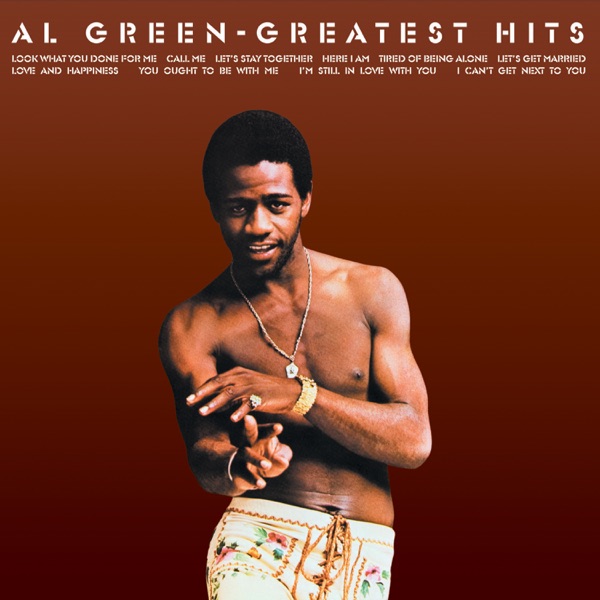 Al Green - Everything's OK
 Michael Jackson - Michael
 Michael Jackson - The Collection (Michael Jackson album)
 Michael Jackson - Immortal
 Amy Winehouse - Back to Black
 Canned Heat - The New Age
 Canned Heat - Boogie with Canned Heat
 Michael Jackson - Michael Jackson's This Is It

Join the Conversation
Share your thoughts about this album.
Please log in to add a comment.
No comments yet. Be the first to comment.