
Growing Up in Public (Lou Reed album)
by Lou Reed
Released: April 05, 1980
Rock
Shop Lou Reed
Amazon affiliate linksWhy This Album Matters
This album matters because its strongest editorial story is: Experimental Album.
The Album
Reed's lyrics continue to delve into personal and societal themes, but the tone is often more accessible than some of his earlier, more experimental works. "Growing Up in Public" is the tenth solo studio album by American musician Lou Reed, released in 1980. Songs like "My Old Man" and "Standing on Ceremony" showcase Reed's skillful songwriting and storytelling.
Interesting Facts
Reed's characteristic vocals and poetic songwriting remain central…
Reed's characteristic vocals and poetic songwriting remain central to the album's appeal.
In summary, "Growing Up in Public" captures Lou…
In summary, "Growing Up in Public" captures Lou Reed's transition into a more mainstream rock sound while retaining his distinctive voice and lyrical depth.
The album reflects Reed's exploration of a more…
The album reflects Reed's exploration of a more straightforward rock sound compared to some of his previous works.
Here's a summary of "Growing Up in Public"…
Here's a summary of "Growing Up in Public": The album opens with the energetic and anthemic "How Do You Speak to an Angel?" and immediately establishes a more conventional rock approach.
The album maintains a balance between gritty rockers…
The album maintains a balance between gritty rockers and reflective ballads.
Essential Tracks
How Do You Speak to an Angel
Here's a summary of "Growing Up in Public": The album opens with the energetic and anthemic "How Do You Speak to an Angel?" and immediately establishes a more conventional rock approach.
My Old Man
Songs like "My Old Man" and "Standing on Ceremony" showcase Reed's skillful songwriting and storytelling.
Growing Up In Public
"Growing Up in Public" is the tenth solo studio album by American musician Lou Reed, released in 1980.
Standing On Ceremony
Songs like "My Old Man" and "Standing on Ceremony" showcase Reed's skillful songwriting and storytelling.
So Alone
The latter part of the album features tracks like "So Alone" and "Love Is Here to Stay," which delve into themes of love and relationships.
Explore the Album
Lou Reed - Growing Up in Public (Lou Reed album)
Open in Albums Gallery
Reception
While the album didn't achieve the same commercial success as some of Reed's earlier works, it received positive reviews for its more accessible sound and thoughtful lyrics.
The Complete Album Story
"Growing Up in Public" is the tenth solo studio album by American musician Lou Reed, released in 1980. The album reflects Reed's exploration of a more straightforward rock sound compared to some of his previous works. Here's a summary of "Growing Up in Public":
The album opens with the energetic and anthemic "How Do You Speak to an Angel?" and immediately establishes a more conventional rock approach. Reed's lyrics continue to delve into personal and societal themes, but the tone is often more accessible than some of his earlier, more experimental works.
Songs like "My Old Man" and "Standing on Ceremony" showcase Reed's skillful songwriting and storytelling. The album maintains a balance between gritty rockers and reflective ballads. The latter part of the album features tracks like "So Alone" and "Love Is Here to Stay," which delve into themes of love and relationships.
"Growing Up in Public" also features guest appearances by prominent musicians, including guitarist Adrian Belew and keyboardist Michael Fonfara, contributing to the album's rich musical texture.
While the album didn't achieve the same commercial success as some of Reed's earlier works, it received positive reviews for its more accessible sound and thoughtful lyrics. Reed's characteristic vocals and poetic songwriting remain central to the album's appeal.
In summary, "Growing Up in Public" captures Lou Reed's transition into a more mainstream rock sound while retaining his distinctive voice and lyrical depth. It's an album that reflects Reed's continued evolution as a musician and songwriter during the late 1970s and early 1980s.
More Rock Albums
 Cream - Heavy Cream
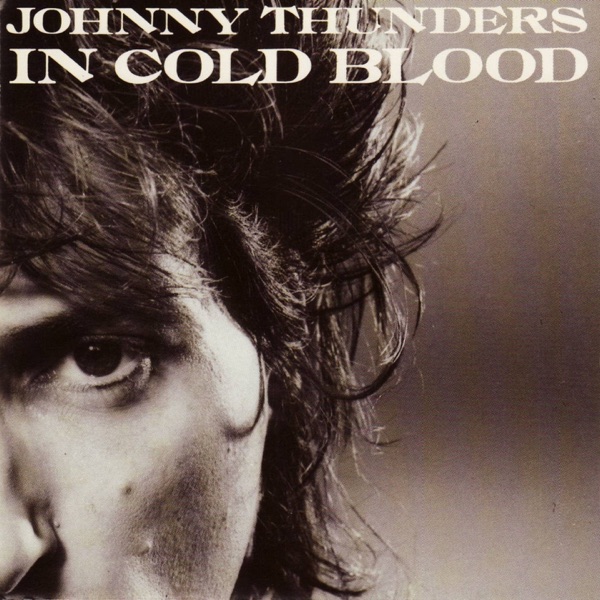 Johnny Thunders - In Cold Blood
 David Bowie - Heathen (David Bowie album)
 Stray Cats - Rant n' Rave with the Stray Cats
 The Cranberries - In the End
 Jeff Wayne - Musical Version of The War of the Worlds
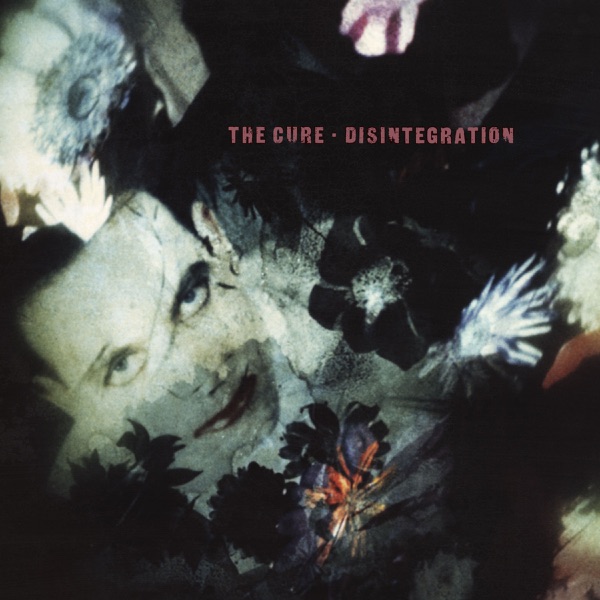 The Cure - Disintegration (The Cure album)
 Primus - Antipop
 Emarosa - Emarosa
 The Sound - From the Lions Mouth
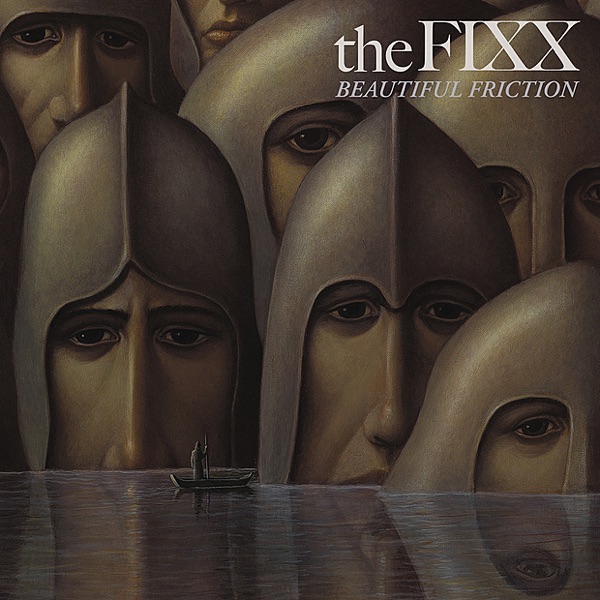 The Fixx - Beautiful Friction

Join the Conversation
Share your thoughts about this album.
Please log in to add a comment.
No comments yet. Be the first to comment.